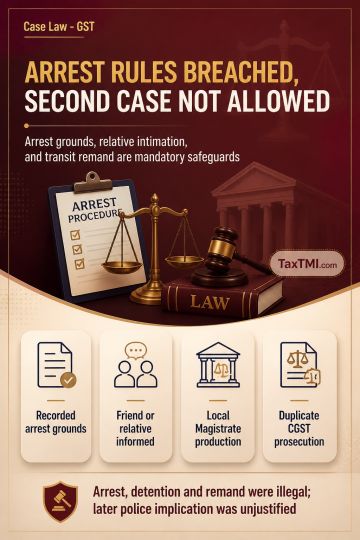
Arrest safeguards require disclosed grounds, relative intimation and transit remand, while duplicate prosecution under the CGST framework is unsustain...
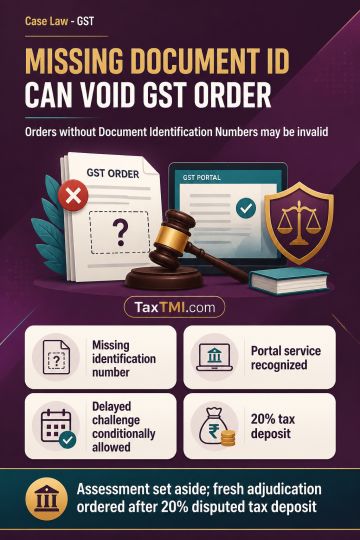
Document Identification Number defects can invalidate GST assessments, with delayed challenges entertained conditionally where patent irregularities e...
Windmill commissioning evidence supported higher depreciation where grid connection and electricity generation proved operational use before the relev...
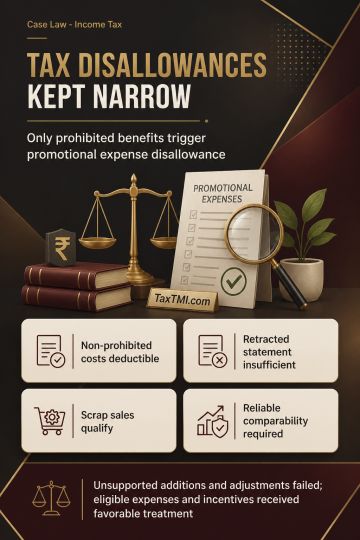
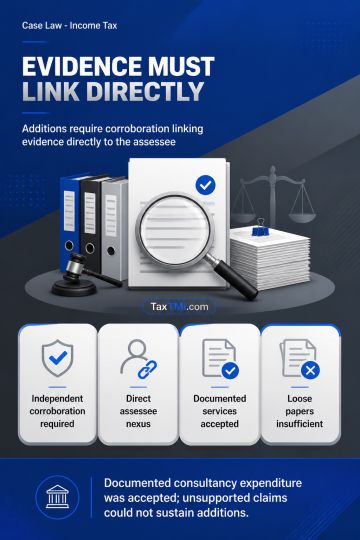
Pharmaceutical promotion and transfer-pricing comparability principles limited disallowances, while uncorroborated search allegations and unsupported ...
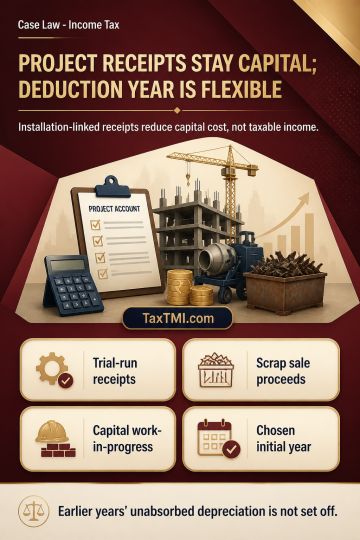
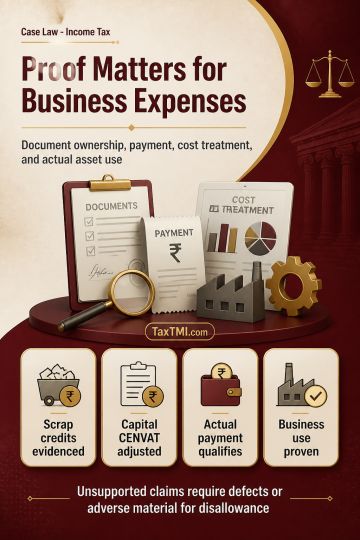
Business expenditure substantiation supports scrap credits, statutory payments and expense claims, while depreciation requires proof of actual busines...
CENVAT Credit - common inputs/input services used for manufacture of stock transferred exempted goods (lime stone) and dutiable products (Cement/Clinker) - The Tribunal clarified that the presence of two different final products (limestone as exempted and cement/clinker as dutiable) necessitates the maintenance of separate accounts for inputs/input services used. The court rejected the appellant's interpretation and emphasized that the rules apply to their situation, thus upholding the demand for payment under Rule 6(3)(i) due to the appellant's failure to maintain separate accounts. - However, the CESTAT agreed with the appellant regarding the limitation period, noting no grounds for invoking the extended period due to the appellant's transparent documentation and periodic disclosures.
CENVAT Credit - common inputs/input services used for manufacture of stock transferred exempted goods (lime stone) and dutiable products (Cement/Clinker) - The Tribunal clarified that the presence of two different final products (limestone as exempted and cement/clinker as dutiable) necessitates the maintenance of separate accounts for inputs/input services used. The court rejected the appellant's interpretation and emphasized that the rules apply to their situation, thus upholding the demand for payment under Rule 6(3)(i) due to the appellant's failure to maintain separate accounts. - However, the CESTAT agreed with the appellant regarding the limitation period, noting no grounds for invoking the extended period due to the appellant's transparent documentation and periodic disclosures.
Note: It is a system-generated summary and is for quick reference only.
 TaxTMI
 of 4805






 Join Channel


 TaxTMI