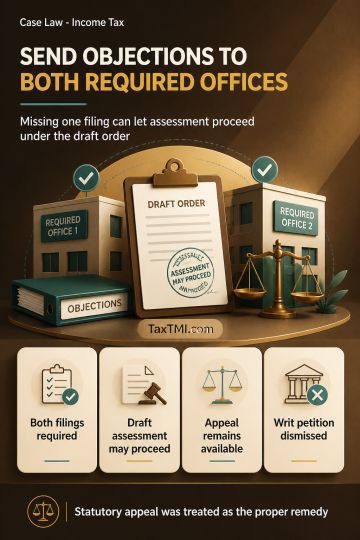
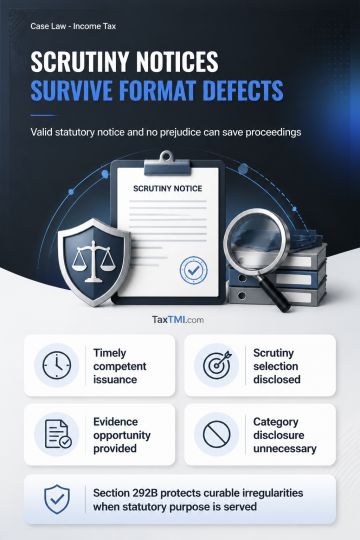
Dispute Resolution Panel objections must reach both prescribed forums; otherwise assessment may proceed and statutory appeal remains the proper remedy...
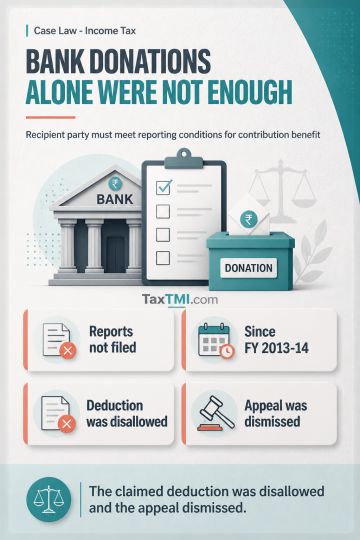
Political contribution deductions require recipient party compliance with contribution-reporting conditions; banking-channel donations alone do not qu...
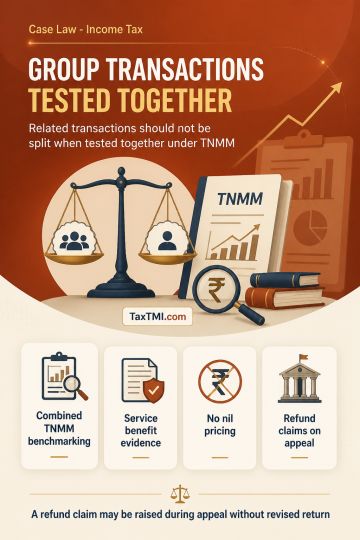
Aggregation under TNMM prevents selective testing of intra-group services without comparable uncontrolled transactions, while appellate additional cla...
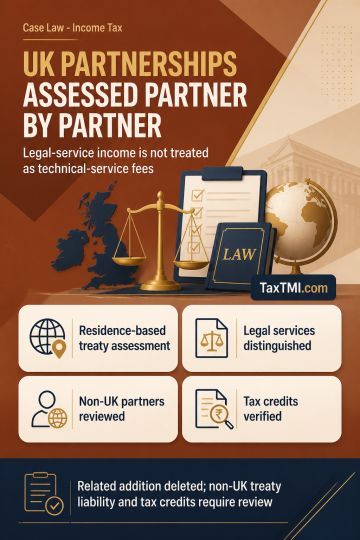
Protective assessment cannot duplicate identical receipts under competing characterisations; remote services did not establish a taxable permanent est...
CENVAT Credit - common inputs/input services used for manufacture of stock transferred exempted goods (lime stone) and dutiable products (Cement/Clinker) - The Tribunal clarified that the presence of two different final products (limestone as exempted and cement/clinker as dutiable) necessitates the maintenance of separate accounts for inputs/input services used. The court rejected the appellant's interpretation and emphasized that the rules apply to their situation, thus upholding the demand for payment under Rule 6(3)(i) due to the appellant's failure to maintain separate accounts. - However, the CESTAT agreed with the appellant regarding the limitation period, noting no grounds for invoking the extended period due to the appellant's transparent documentation and periodic disclosures.
CENVAT Credit - common inputs/input services used for manufacture of stock transferred exempted goods (lime stone) and dutiable products (Cement/Clinker) - The Tribunal clarified that the presence of two different final products (limestone as exempted and cement/clinker as dutiable) necessitates the maintenance of separate accounts for inputs/input services used. The court rejected the appellant's interpretation and emphasized that the rules apply to their situation, thus upholding the demand for payment under Rule 6(3)(i) due to the appellant's failure to maintain separate accounts. - However, the CESTAT agreed with the appellant regarding the limitation period, noting no grounds for invoking the extended period due to the appellant's transparent documentation and periodic disclosures.
Note: It is a system-generated summary and is for quick reference only.
 TaxTMI
 of 4803





 Join Channel


 TaxTMI
