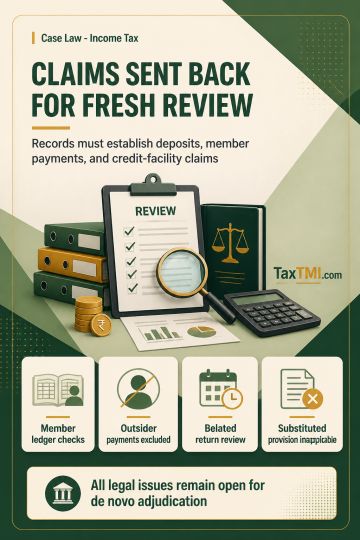
Cooperative society deposits, member-interest TDS exemption and credit-facility deduction claims require verification through records and supporting e...
Customs jurisdiction over EPCG condition breaches survives export-obligation discharge certificates, requiring alleged fraud and misdeclaration to be ...
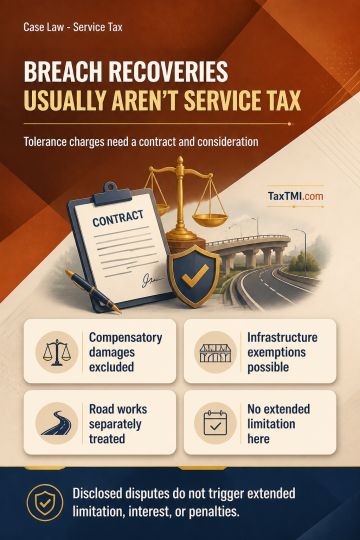
Contractual tolerance requires consideration; breach recoveries, qualifying public infrastructure services and road works escape service tax liability...
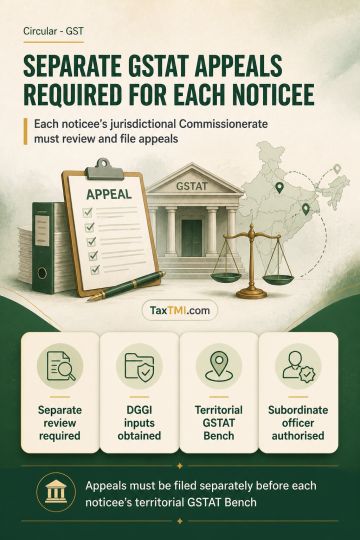
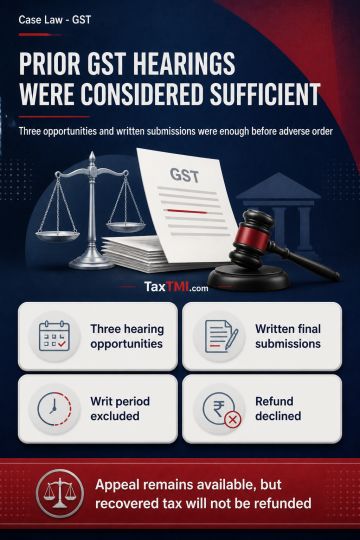
Personal hearing requirements in GST adjudication were satisfied by prior opportunities and written submissions; appellate limitation received writ-pe...
Income recognition - advances received from clients - AO observed that “out of pocket expenses” had been exclusively kept out of the books and on reimbursement of the sum by the clients to the assessee, it was the duty of the assessee to route the same through the profit and loss account and in the absence of such course being taken, AO added the same amount to the total income of the assessee - The High Court held that, CIT(A) and ITAT have rightly concluded that the assessee received these advances in a fiduciary capacity for specific purposes, not as income. - It was not trading receipt. Therefore, the respondent/assessee was not under any legal obligation to show it as his receipts of money from the clients. The High court found no merit in the Revenue's reliance on Section 145, noting no factual basis indicating that the conditions of Section 145(3) were met.
Income recognition - advances received from clients - AO observed that “out of pocket expenses” had been exclusively kept out of the books and on reimbursement of the sum by the clients to the assessee, it was the duty of the assessee to route the same through the profit and loss account and in the absence of such course being taken, AO added the same amount to the total income of the assessee - The High Court held that, CIT(A) and ITAT have rightly concluded that the assessee received these advances in a fiduciary capacity for specific purposes, not as income. - It was not trading receipt. Therefore, the respondent/assessee was not under any legal obligation to show it as his receipts of money from the clients. The High court found no merit in the Revenue's reliance on Section 145, noting no factual basis indicating that the conditions of Section 145(3) were met.
Note: It is a system-generated summary and is for quick reference only.
 TaxTMI
 of 4805







 Join Channel


 TaxTMI