Arrest safeguards and transit remand requirements invalidated detention following inter-State transfer without communicated grounds or magistrate auth...
Arrest safeguards require disclosed grounds, relative intimation and transit remand, while duplicate prosecution under the CGST framework is unsustain...
Document Identification Number defects can invalidate GST assessments, with delayed challenges entertained conditionally where patent irregularities e...
Windmill commissioning evidence supported higher depreciation where grid connection and electricity generation proved operational use before the relev...
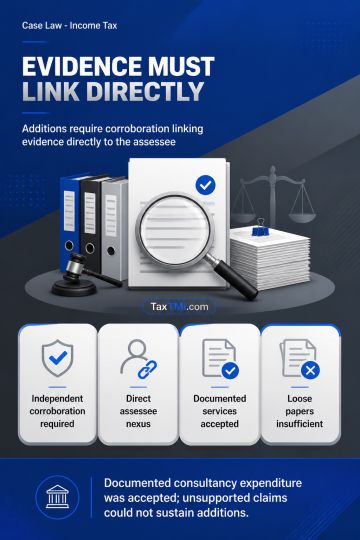
Pharmaceutical promotion and transfer-pricing comparability principles limited disallowances, while uncorroborated search allegations and unsupported ...
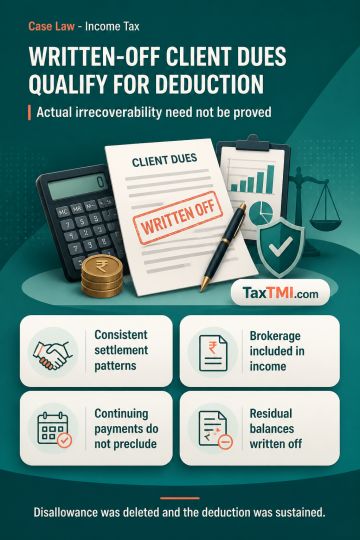
Business expenditure substantiation supports scrap credits, statutory payments and expense claims, while depreciation requires proof of actual busines...
Addition u/s 56(2)(viib) r.w.r 11UA - excess premium charged - issuance of preference shares to the director/ex-director of the assessee company - The ITAT held that there was no justification for the A.O to have triggered the deeming provisions of Section 56(2)(viib) i.e a counter tax evasion provision - The ITAT addressed the valuation dispute, emphasizing the distinction between preference shares and equity shares, particularly focusing on their characteristics and the applicable methods for determining their FMV. It was noted that preference shares, due to their nature, could not be valued using the same method as equity shares. - Matter restored back for redetermine the FMV of the subject preference shares subject to the tribunal's observations recorded as regards the mistakes/infirmities.
Addition u/s 56(2)(viib) r.w.r 11UA - excess premium charged - issuance of preference shares to the director/ex-director of the assessee company - The ITAT held that there was no justification for the A.O to have triggered the deeming provisions of Section 56(2)(viib) i.e a counter tax evasion provision - The ITAT addressed the valuation dispute, emphasizing the distinction between preference shares and equity shares, particularly focusing on their characteristics and the applicable methods for determining their FMV. It was noted that preference shares, due to their nature, could not be valued using the same method as equity shares. - Matter restored back for redetermine the FMV of the subject preference shares subject to the tribunal's observations recorded as regards the mistakes/infirmities.
Note: It is a system-generated summary and is for quick reference only.
 TaxTMI
  TaxTMI
 of 4809



















 Join Channel


