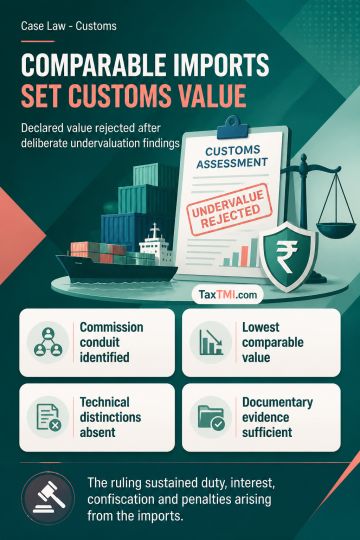
Transaction value rejection requires reliable corroboration; refundable VAT is excluded and temporary registration does not defeat new-vehicle exempti...
Appellate jurisdiction remains available where a wrist-worn gold ornament cannot conclusively be characterised as imported baggage at the preliminary ...
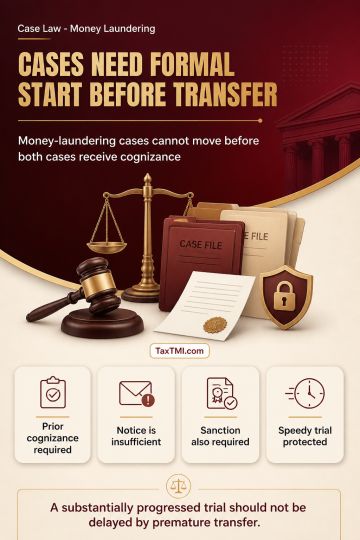
Written complaint requirement bars cognizance on police reports for securities offences, while unsupported breach of trust and cheating allegations fa...
Forfeiture of the earnest money deposit by the appellant bank - The Supreme Court held that, the underlying principle envisaged u/s(s) 73 & 74 of the Indian Contract Act, 1872 which is a general law will have no application, when it comes to the SARFAESI Act more particularly the forfeiture of earnest-money deposit which has been statutorily provided under Rule 9(5) of the SARFAESI Rules as a consequence of the auction purchaser’s failure to deposit the balance amount. - The High Court erred in law by holding that forfeiture of the entire deposit under Rule 9 sub-rule (5) of the SARFAESI Rules by the appellant bank after having already recovered its dues from the subsequent sale amounts to unjust enrichment.
Forfeiture of the earnest money deposit by the appellant bank - The Supreme Court held that, the underlying principle envisaged u/s(s) 73 & 74 of the Indian Contract Act, 1872 which is a general law will have no application, when it comes to the SARFAESI Act more particularly the forfeiture of earnest-money deposit which has been statutorily provided under Rule 9(5) of the SARFAESI Rules as a consequence of the auction purchaser’s failure to deposit the balance amount. - The High Court erred in law by holding that forfeiture of the entire deposit under Rule 9 sub-rule (5) of the SARFAESI Rules by the appellant bank after having already recovered its dues from the subsequent sale amounts to unjust enrichment.
Note: It is a system-generated summary and is for quick reference only.
 TaxTMI
 of 4805











 Join Channel


 TaxTMI
