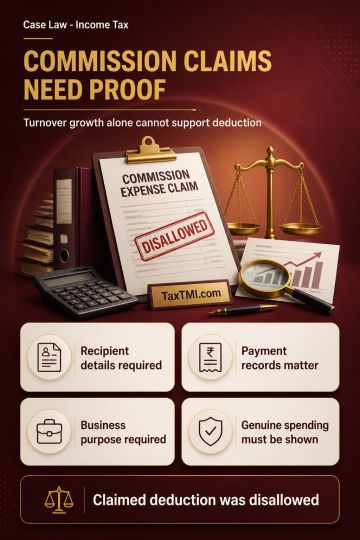
Business expenditure deduction requires proof of genuine commission payments and commercial allowability; turnover growth alone cannot validate the cl...
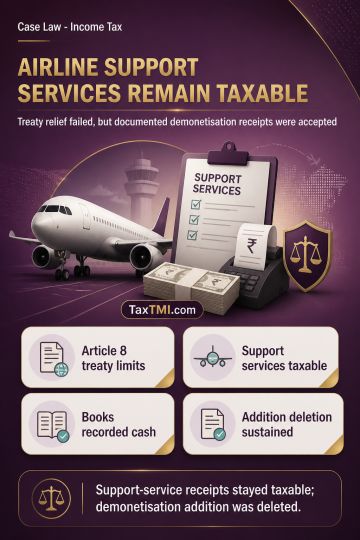
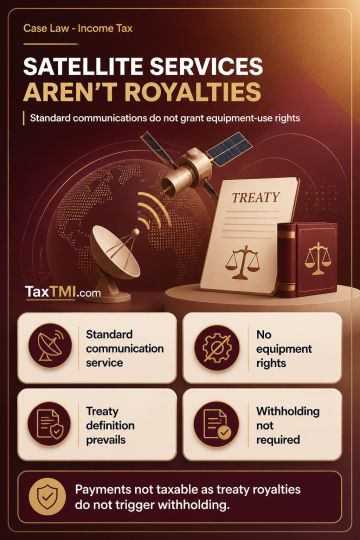
Article 8 treaty coverage excluded third-party airline support services, while documented demonetisation cash receipts remained accepted business inco...
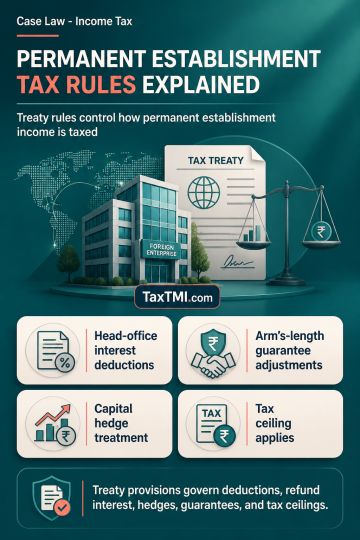
Functional comparability under TNMM requires highway contract benchmarks to reflect operation, maintenance and transfer activities, requiring fresh be...
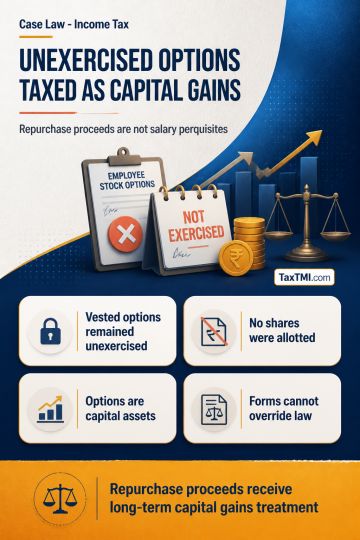
Objective characteristics govern magnesium bis-glycinate chelate classification as an amino-acid coordination compound, not a food preparation or anti...
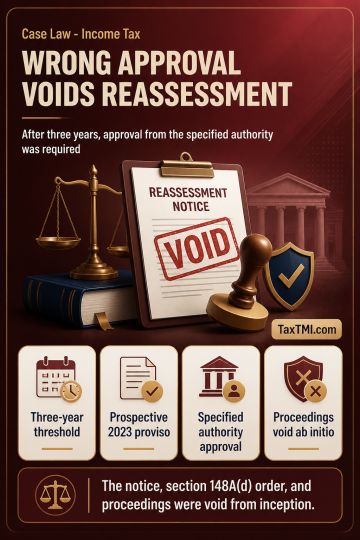
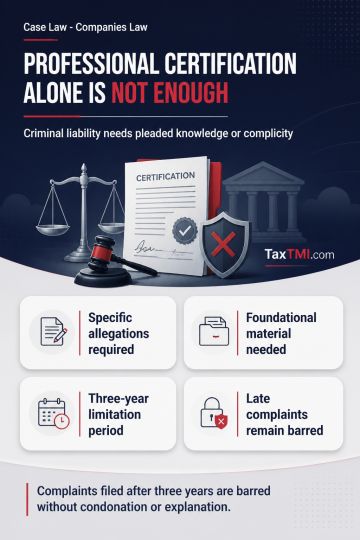
Independent professional certification requires pleaded knowledge or complicity for criminal liability; untimely complaints remain barred by limitatio...
Validity of detention order - The petitioner argued that being a buyer from a GST-registered supplier, they had no means or obligation to verify the supplier's compliance with GST regulations. - The High court noted that the supplier company had cleared its tax dues on 30.12.2023, before the issuance of the show cause notice, which diminished the claim of intent to evade tax. Furthermore, the court observed that if there were any deficiencies in the supplier’s documentation, the registration should not have been granted. Therefore, once the supplier was registered and had paid the tax, allegations against them didn't hold. - Considering these points, the high court held that the petitioner, being unrelated to the supplier's alleged discrepancies, should not be penalized.
Validity of detention order - The petitioner argued that being a buyer from a GST-registered supplier, they had no means or obligation to verify the supplier's compliance with GST regulations. - The High court noted that the supplier company had cleared its tax dues on 30.12.2023, before the issuance of the show cause notice, which diminished the claim of intent to evade tax. Furthermore, the court observed that if there were any deficiencies in the supplier’s documentation, the registration should not have been granted. Therefore, once the supplier was registered and had paid the tax, allegations against them didn't hold. - Considering these points, the high court held that the petitioner, being unrelated to the supplier's alleged discrepancies, should not be penalized.
Note: It is a system-generated summary and is for quick reference only.
 TaxTMI
  TaxTMI
 of 4824






 Join Channel