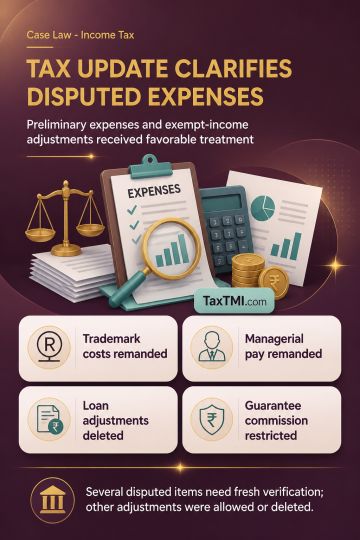
Preliminary-expense amortisation and MAT exempt-income adjustments prevailed, while trademark costs and managerial remuneration require fresh verifica...
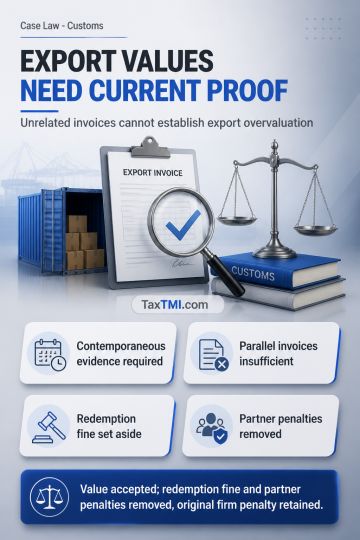
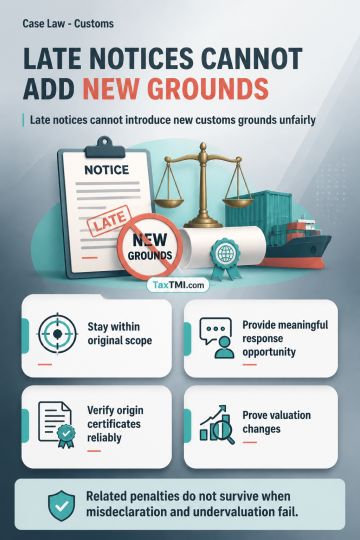
Export valuation requires contemporaneous evidence; unrelated invoices cannot prove overvaluation, and dual penalties on firm and partner are impermis...
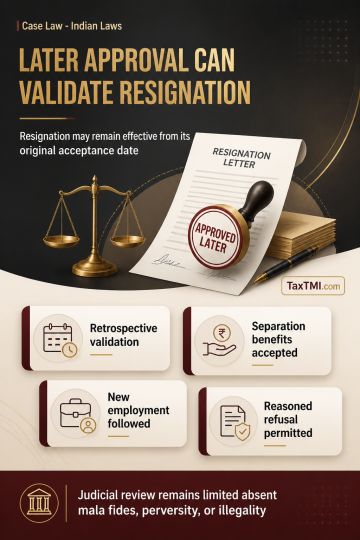
Ratification of resignation acceptance validates separation retrospectively, while withdrawal may be refused through reasoned administrative discretio...
Nature-dependent electricity contracts receive new Ind AS accounting, hedge designation, transition and financial-statement disclosure requirements fr...
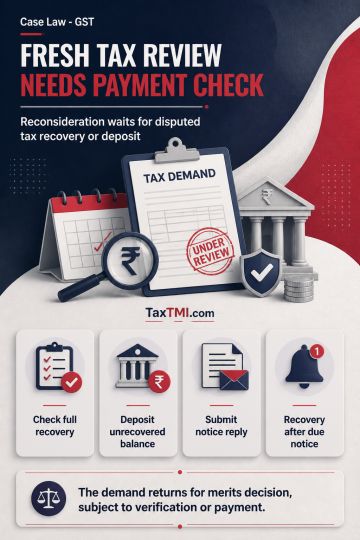
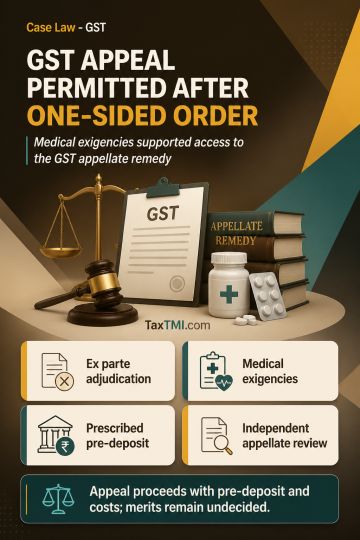
Alternative GST remedy permitted protective writ intervention for ex parte adjudication, preserving independent appellate review of input tax credit d...
Validity of detention order - The petitioner argued that being a buyer from a GST-registered supplier, they had no means or obligation to verify the supplier's compliance with GST regulations. - The High court noted that the supplier company had cleared its tax dues on 30.12.2023, before the issuance of the show cause notice, which diminished the claim of intent to evade tax. Furthermore, the court observed that if there were any deficiencies in the supplier’s documentation, the registration should not have been granted. Therefore, once the supplier was registered and had paid the tax, allegations against them didn't hold. - Considering these points, the high court held that the petitioner, being unrelated to the supplier's alleged discrepancies, should not be penalized.
Validity of detention order - The petitioner argued that being a buyer from a GST-registered supplier, they had no means or obligation to verify the supplier's compliance with GST regulations. - The High court noted that the supplier company had cleared its tax dues on 30.12.2023, before the issuance of the show cause notice, which diminished the claim of intent to evade tax. Furthermore, the court observed that if there were any deficiencies in the supplier’s documentation, the registration should not have been granted. Therefore, once the supplier was registered and had paid the tax, allegations against them didn't hold. - Considering these points, the high court held that the petitioner, being unrelated to the supplier's alleged discrepancies, should not be penalized.
Note: It is a system-generated summary and is for quick reference only.
 TaxTMI
  TaxTMI
 of 4821









 Join Channel