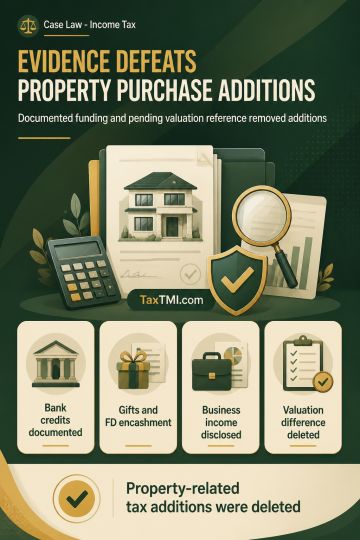
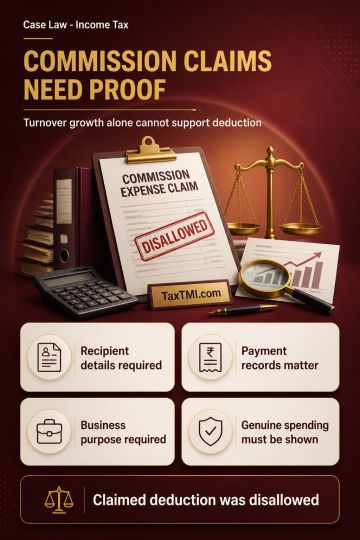
Business expenditure deduction requires proof of genuine commission payments and commercial allowability; turnover growth alone cannot validate the cl...
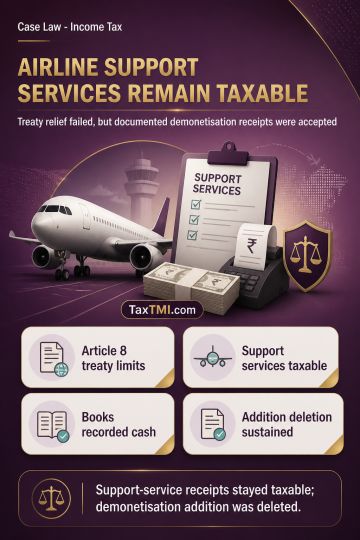
Article 8 treaty coverage excluded third-party airline support services, while documented demonetisation cash receipts remained accepted business inco...
Profiteering - Constitutional validity of Section 171 CGST Act and state GST Acts - The High Court views Section 171 as falling within the Parliament's law-making power under Article 246A, which empowers both the Parliament and state legislatures to enact laws on GST. This includes all ancillary, incidental, and necessary matters related to GST legislation. The Court also finds that Section 171 does not delegate any essential legislative function, as it sets out clear legislative policy and guidelines. - Moreover, the High Court points out that any ambiguity in the functioning of the National Anti-Profiteering Authority (NAA) established u/s 171, which may lead to inconsistent decisions, would not invalidate the section or the rules framed under it.
Profiteering - Constitutional validity of Section 171 CGST Act and state GST Acts - The High Court views Section 171 as falling within the Parliament's law-making power under Article 246A, which empowers both the Parliament and state legislatures to enact laws on GST. This includes all ancillary, incidental, and necessary matters related to GST legislation. The Court also finds that Section 171 does not delegate any essential legislative function, as it sets out clear legislative policy and guidelines. - Moreover, the High Court points out that any ambiguity in the functioning of the National Anti-Profiteering Authority (NAA) established u/s 171, which may lead to inconsistent decisions, would not invalidate the section or the rules framed under it.
Note: It is a system-generated summary and is for quick reference only.
 TaxTMI
 of 4782



 Join Channel


 TaxTMI