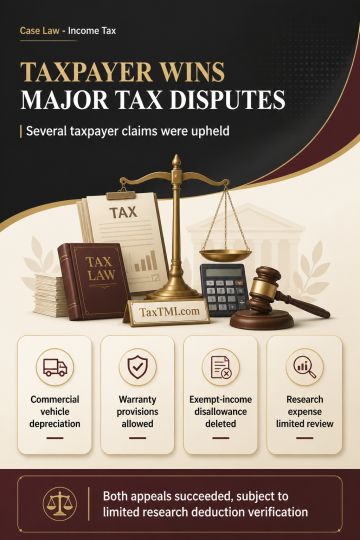
Commercial vehicle depreciation, scientifically determined warranty provisions and exempt-income disallowances were resolved in favour of the taxpayer...
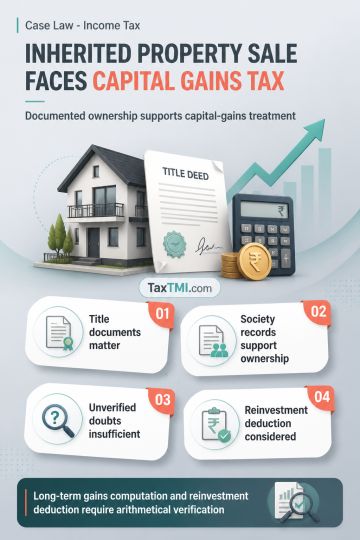
Inherited property sale proceeds require capital-gains treatment where ownership is supported by evidence, not suspicion or unverified signature doubt...
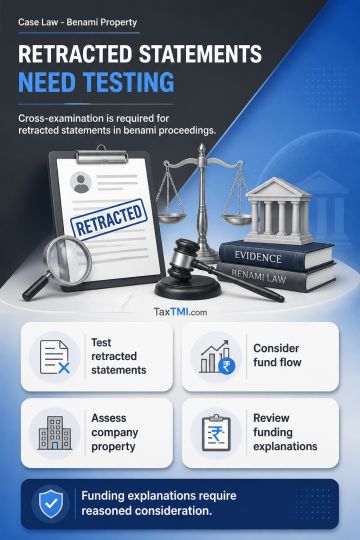
Cross-examination of retracted statements is essential where foundational evidence supports a benami allegation and documented funding explanations re...
Capital-goods exemption covers plant-modernisation accessories, while the import restriction applies only to earlier capital-goods components and spar...
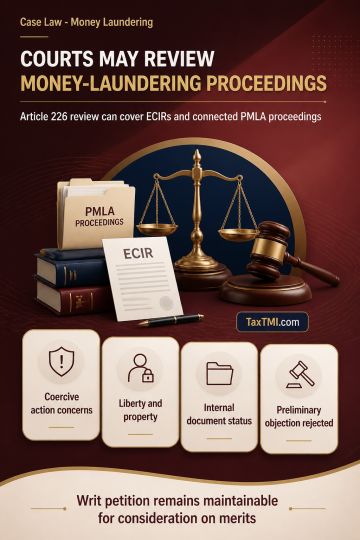
Constitutional judicial review permits challenges to ECIRs and connected money-laundering proceedings where coercive action affects fundamental intere...
Profiteering - Constitutional validity of Section 171 CGST Act and state GST Acts - The High Court views Section 171 as falling within the Parliament's law-making power under Article 246A, which empowers both the Parliament and state legislatures to enact laws on GST. This includes all ancillary, incidental, and necessary matters related to GST legislation. The Court also finds that Section 171 does not delegate any essential legislative function, as it sets out clear legislative policy and guidelines. - Moreover, the High Court points out that any ambiguity in the functioning of the National Anti-Profiteering Authority (NAA) established u/s 171, which may lead to inconsistent decisions, would not invalidate the section or the rules framed under it.
Profiteering - Constitutional validity of Section 171 CGST Act and state GST Acts - The High Court views Section 171 as falling within the Parliament's law-making power under Article 246A, which empowers both the Parliament and state legislatures to enact laws on GST. This includes all ancillary, incidental, and necessary matters related to GST legislation. The Court also finds that Section 171 does not delegate any essential legislative function, as it sets out clear legislative policy and guidelines. - Moreover, the High Court points out that any ambiguity in the functioning of the National Anti-Profiteering Authority (NAA) established u/s 171, which may lead to inconsistent decisions, would not invalidate the section or the rules framed under it.
Note: It is a system-generated summary and is for quick reference only.
 TaxTMI
 of 4782





 Join Channel


 TaxTMI
