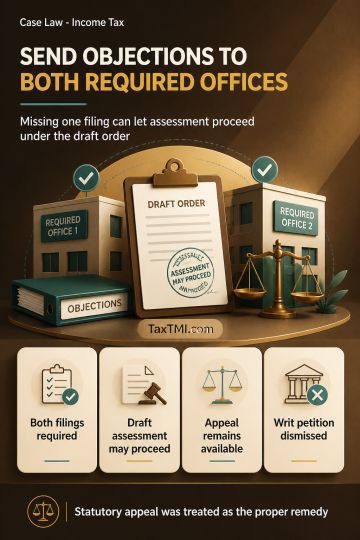
Dispute Resolution Panel objections must reach both prescribed forums; otherwise assessment may proceed and statutory appeal remains the proper remedy...
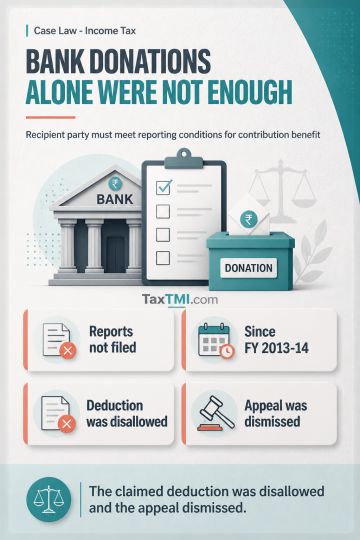
Political contribution deductions require recipient party compliance with contribution-reporting conditions; banking-channel donations alone do not qu...
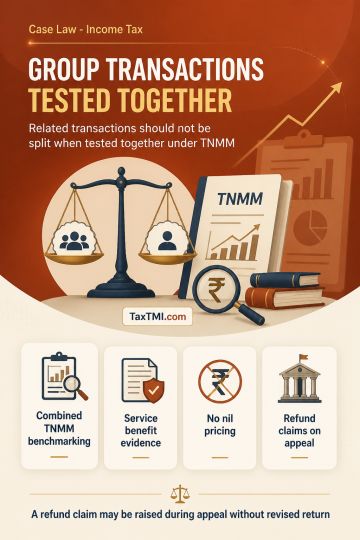
Aggregation under TNMM prevents selective testing of intra-group services without comparable uncontrolled transactions, while appellate additional cla...
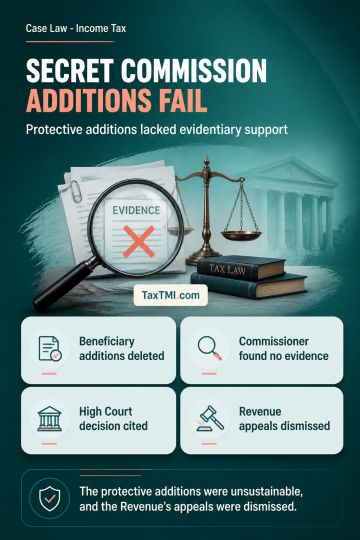
Protective assessment cannot duplicate identical receipts under competing characterisations; remote services did not establish a taxable permanent est...
Current account treatment of overseas tournament services removed most FEMA findings, but excess EEFC remittance and delayed repatriation remained bre...
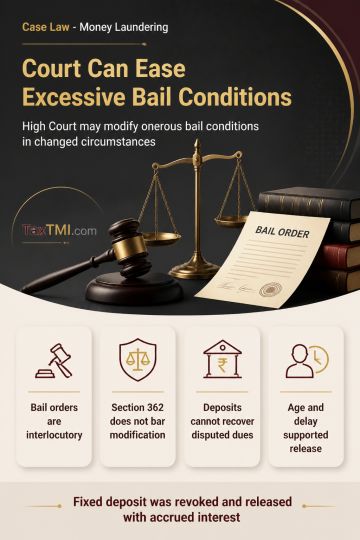
Modification of bail conditions remains available through inherent jurisdiction where onerous deposits undermine justice and cannot recover disputed d...
Classification of imported goods - If every ‘flange’ available in the market could be used in any industry, then perhaps the classification under a single CTH would have served that purpose, but since one size does not fit all, different classifications are provided. The classification thus depends on, inter alia, functionality as well. Hence, when an item is imported for a specific purpose, if the Revenue does not believe in the classification declared by such importer, then the same could be rejected on some palpable evidence and if required, the Revenue could always insist upon further details / explanation insofar as the function / end-use claimed by such importer is concerned, in order to ascertain the chief/primary function, to arrive at the proper classification, otherwise the purpose of having two Customs Tariff Headings loses its significance, which is not the intention of legislature. - AT
Classification of imported goods - If every ‘flange’ available in the market could be used in any industry, then perhaps the classification under a single CTH would have served that purpose, but since one size does not fit all, different classifications are provided. The classification thus depends on, inter alia, functionality as well. Hence, when an item is imported for a specific purpose, if the Revenue does not believe in the classification declared by such importer, then the same could be rejected on some palpable evidence and if required, the Revenue could always insist upon further details / explanation insofar as the function / end-use claimed by such importer is concerned, in order to ascertain the chief/primary function, to arrive at the proper classification, otherwise the purpose of having two Customs Tariff Headings loses its significance, which is not the intention of legislature. - AT
Note: It is a system-generated summary and is for quick reference only.
 TaxTMI
 of 4805









 Join Channel


 TaxTMI
