Preliminary-expense amortisation and MAT exempt-income adjustments prevailed, while trademark costs and managerial remuneration require fresh verifica...
Export valuation requires contemporaneous evidence; unrelated invoices cannot prove overvaluation, and dual penalties on firm and partner are impermis...
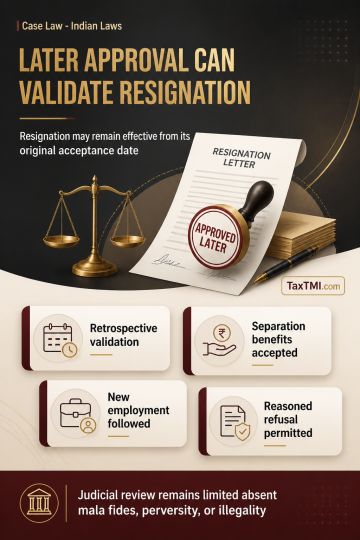
Ratification of resignation acceptance validates separation retrospectively, while withdrawal may be refused through reasoned administrative discretio...
Nature-dependent electricity contracts receive new Ind AS accounting, hedge designation, transition and financial-statement disclosure requirements fr...
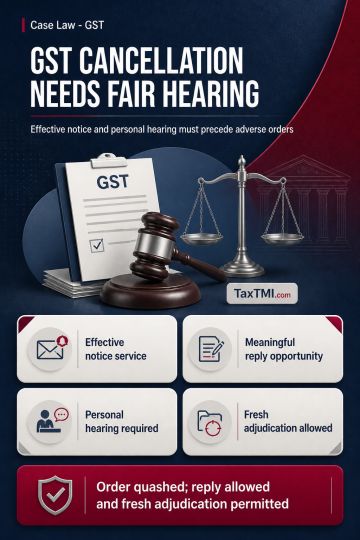
Alternative GST remedy permitted protective writ intervention for ex parte adjudication, preserving independent appellate review of input tax credit d...
Compounding of offence under Section 266G of the Companies Act, 1956 - on facts, the nature of offence which the company has charged does not invite with imprisonment or imprisonment and fine, but the penalty imposed is punishable with fine, which may extend upto five thousand rupees and where the contravention is continuing one, with a further fine, which may extend to five hundred rupees for everyday thereafter. Thus, the nature of offence is such that it is compoundable, and the same is just and proper. - HC
Compounding of offence under Section 266G of the Companies Act, 1956 - on facts, the nature of offence which the company has charged does not invite with imprisonment or imprisonment and fine, but the penalty imposed is punishable with fine, which may extend upto five thousand rupees and where the contravention is continuing one, with a further fine, which may extend to five hundred rupees for everyday thereafter. Thus, the nature of offence is such that it is compoundable, and the same is just and proper. - HC
Note: It is a system-generated summary and is for quick reference only.
 TaxTMI
 of 4803


















 Join Channel


 TaxTMI