Transfer pricing and tax deductions upheld on established principles, while employee contributions and warranty provisions returned for fresh examinat...
Captive transfer pricing relies on industrial consumer tariffs, while genuine quotations can benchmark effluent treatment transfers under the Other Me...
Specific tariff classification for ophthalmic instruments and extended limitation principles determine the treatment of duty demands, confiscation, an...
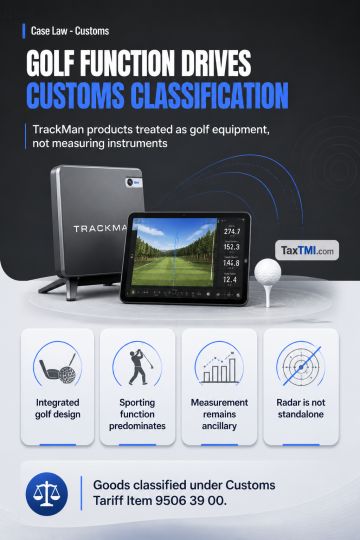
Integrated golf function determines classification, placing launch monitors and simulators under other golf equipment rather than measuring instrument...
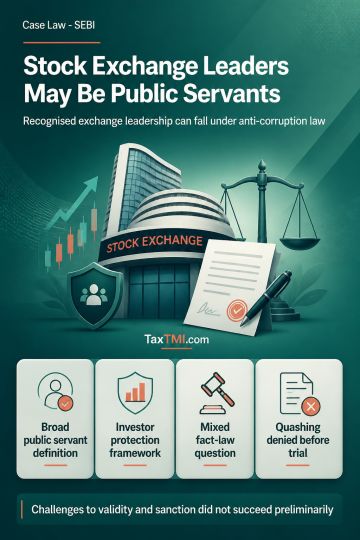
Public servant status under anti-corruption law extends to recognised stock exchange leadership; constitutional and sanction challenges do not succeed...
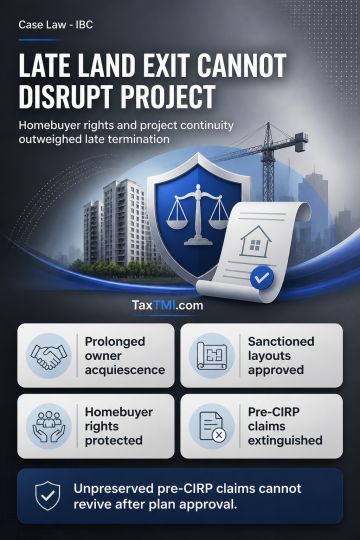
Acquiescence, homebuyer protection and clean-slate resolution principles prevent landowners from disrupting an integrated project through late termina...
Dishonor of Cheque - multiplicity of/parallel proceedings - The businesses are conducted on trust but the petitioner failed to maintain the trust and committed breach without payment of money after receiving the goods. He also closed the business and kept himself absconding in the case under Section 138 NI Act due to which LPC proceedings were initiated against him. As it is not only a simple case of failure to repay the value of the goods but also shows his dishonest intention to deceive the 1st respondent not to pay the money after receiving the property and caused wrongful loss to the 1st respondent and wrongful gain to himself, it is considered not a fit case to quash the proceedings. - HC
Dishonor of Cheque - multiplicity of/parallel proceedings - The businesses are conducted on trust but the petitioner failed to maintain the trust and committed breach without payment of money after receiving the goods. He also closed the business and kept himself absconding in the case under Section 138 NI Act due to which LPC proceedings were initiated against him. As it is not only a simple case of failure to repay the value of the goods but also shows his dishonest intention to deceive the 1st respondent not to pay the money after receiving the property and caused wrongful loss to the 1st respondent and wrongful gain to himself, it is considered not a fit case to quash the proceedings. - HC
Note: It is a system-generated summary and is for quick reference only.
 TaxTMI
  TaxTMI
 of 4811












 Join Channel


