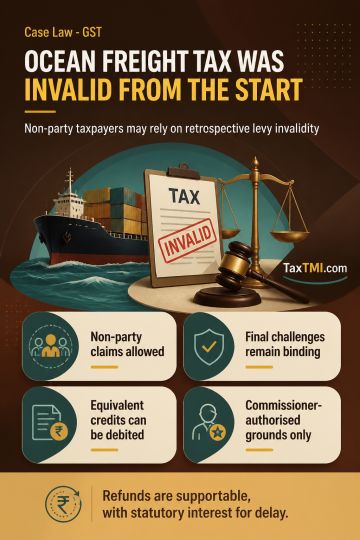
Retrospective invalidity of ocean-freight IGST supports refunds despite non-party status and prior credit utilisation, subject to authorised appeal gr...
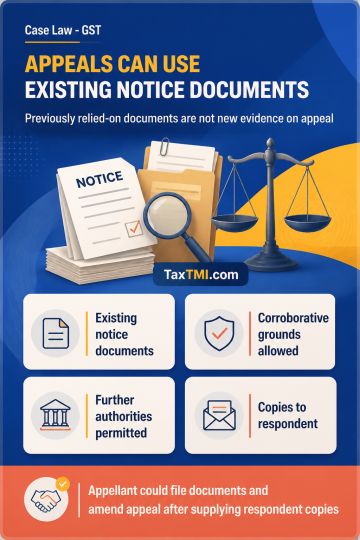
Additional evidence in departmental appeals may include show-cause-notice material without introducing a new case where it merely corroborates existin...
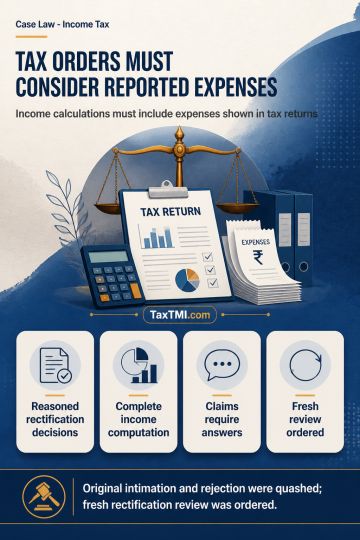
Reasoned rectification orders require consideration of expenditure disclosed in income-tax returns, preventing revision based on incomplete income com...
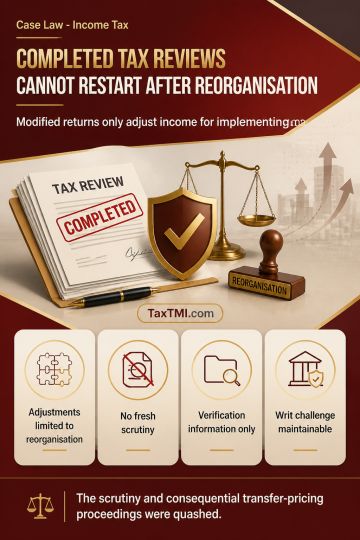
Modified returns after business reorganisations cannot trigger fresh scrutiny once the original assessment was complete, invalidating related transfer...
Third-party loose sheets require reliable nexus before supporting unexplained expenditure additions; presumptions do not establish payer identity or o...
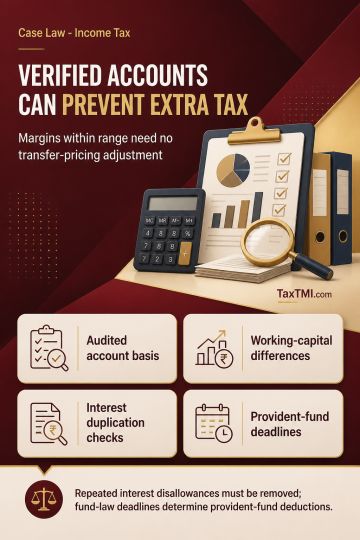
TNMM comparability using audited accounts and working-capital adjustments can eliminate unwarranted transfer-pricing additions where verified margins ...
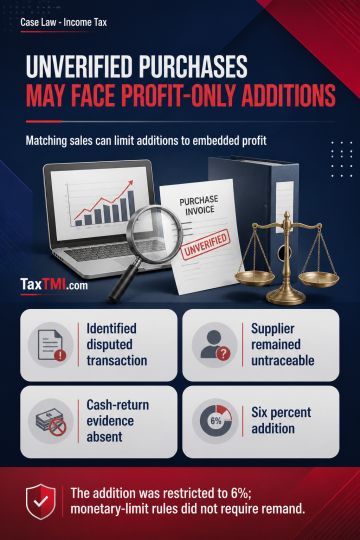
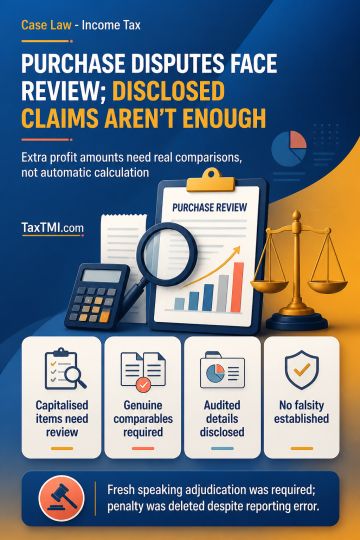
Gross-profit additions on disputed purchases require reasoned appellate determination; disclosed claims alone do not support inaccurate-particulars pe...
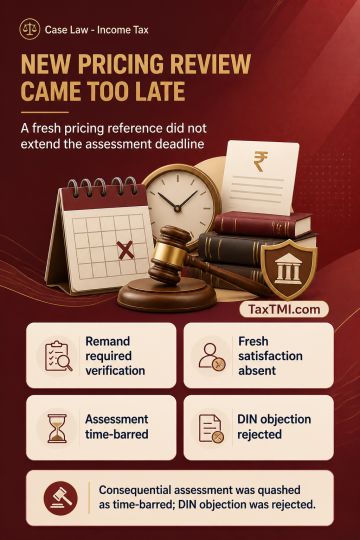
Limitation after transfer-pricing remand: fresh TPO reference did not extend the assessment deadline, rendering the consequential assessment time-barr...
Dishonor of Cheque - multiplicity of/parallel proceedings - The businesses are conducted on trust but the petitioner failed to maintain the trust and committed breach without payment of money after receiving the goods. He also closed the business and kept himself absconding in the case under Section 138 NI Act due to which LPC proceedings were initiated against him. As it is not only a simple case of failure to repay the value of the goods but also shows his dishonest intention to deceive the 1st respondent not to pay the money after receiving the property and caused wrongful loss to the 1st respondent and wrongful gain to himself, it is considered not a fit case to quash the proceedings. - HC
Dishonor of Cheque - multiplicity of/parallel proceedings - The businesses are conducted on trust but the petitioner failed to maintain the trust and committed breach without payment of money after receiving the goods. He also closed the business and kept himself absconding in the case under Section 138 NI Act due to which LPC proceedings were initiated against him. As it is not only a simple case of failure to repay the value of the goods but also shows his dishonest intention to deceive the 1st respondent not to pay the money after receiving the property and caused wrongful loss to the 1st respondent and wrongful gain to himself, it is considered not a fit case to quash the proceedings. - HC
Note: It is a system-generated summary and is for quick reference only.
 TaxTMI
  TaxTMI
 of 4888