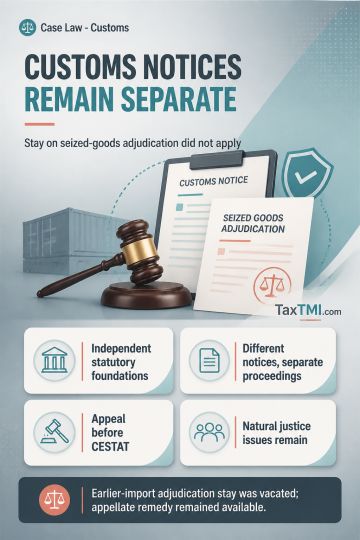
Independent show-cause notices remain separate proceedings, while customs adjudication challenges should ordinarily follow the statutory appellate rem...
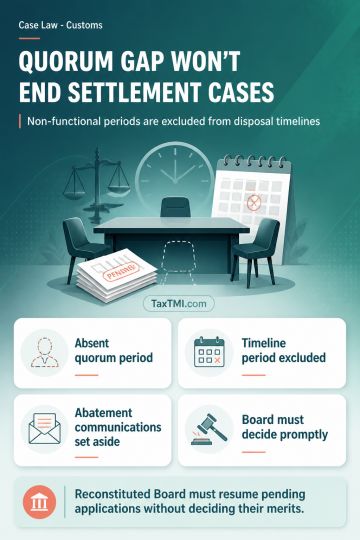
Institutional incapacity in customs settlement proceedings excludes non-functional quorum periods from statutory disposal timelines, preventing automa...
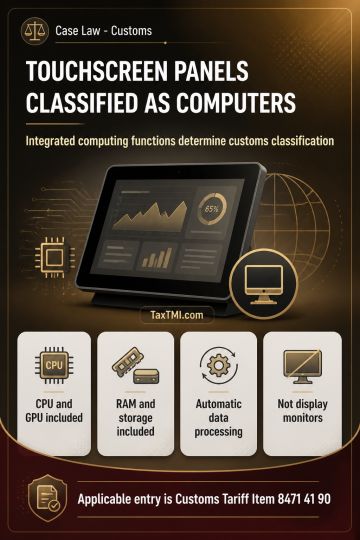
Interactive touchscreen panels with integrated computing functions fall under automatic data-processing machines rather than display monitors for cust...
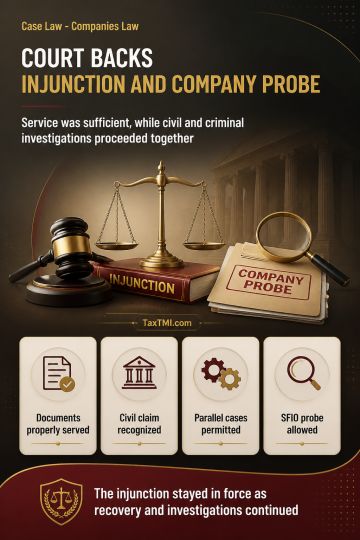
Ex parte injunction service requirements were substantially met, while civil recovery and SFIO investigation into provident fund defalcation continued...
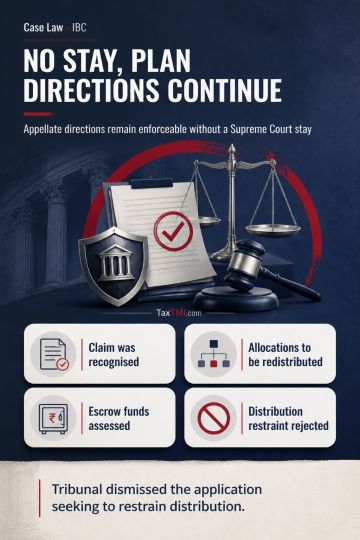
Enforcement of resolution-plan directions continues without a Supreme Court stay, preventing suspension of redistribution and escrowed-fund distributi...
Third-party ownership claims over attached property require Special Court adjudication where purchasers lack registered sale deeds and bona fides rema...
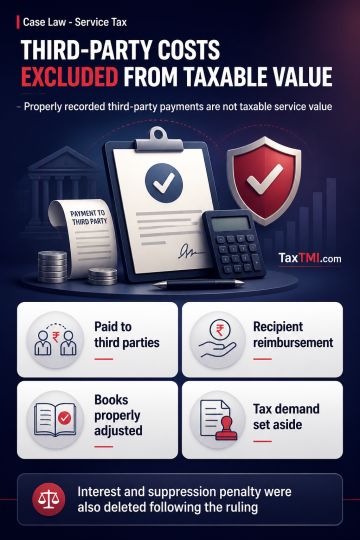
Pure-agent reimbursements in clearing and forwarding services are excluded from taxable value when qualifying third-party payments are properly record...
Dishonor of Cheque - The receipt loan amount is unequivocally, unambiguously and indisputably admitted by the respondent. The obligation of the respondent to pay interest @15% per annum is also admitted, indisputable and uncontroverted. - the respondent has already dealt with the security furnished to the petitioner in terms of the Memorandum of Understanding, liberty is granted to the petitioner to take appropriate steps for securing its claim, in accordance with law, if so advised. - this is a classic commercial dispute which falls within the ambit of Section 2(c)(i) of the Commercial Courts Act, 2015 - HC
Dishonor of Cheque - The receipt loan amount is unequivocally, unambiguously and indisputably admitted by the respondent. The obligation of the respondent to pay interest @15% per annum is also admitted, indisputable and uncontroverted. - the respondent has already dealt with the security furnished to the petitioner in terms of the Memorandum of Understanding, liberty is granted to the petitioner to take appropriate steps for securing its claim, in accordance with law, if so advised. - this is a classic commercial dispute which falls within the ambit of Section 2(c)(i) of the Commercial Courts Act, 2015 - HC
Note: It is a system-generated summary and is for quick reference only.
 TaxTMI
 of 4782









 Join Channel


 TaxTMI
