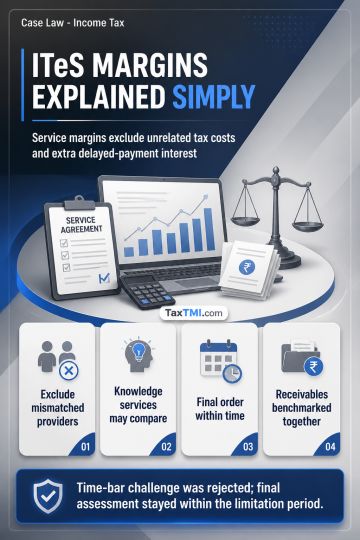
Transfer-pricing treatment of ITeS margins excludes pass-through tax recoveries and separate delayed-receivables interest after working-capital adjust...
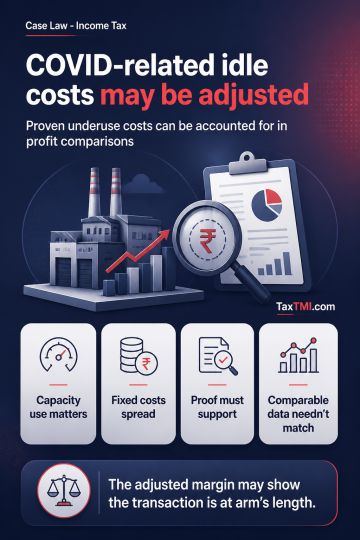
Capacity-utilisation adjustments under TNMM can neutralise substantiated COVID-related idle costs where underutilisation materially affects profitabil...
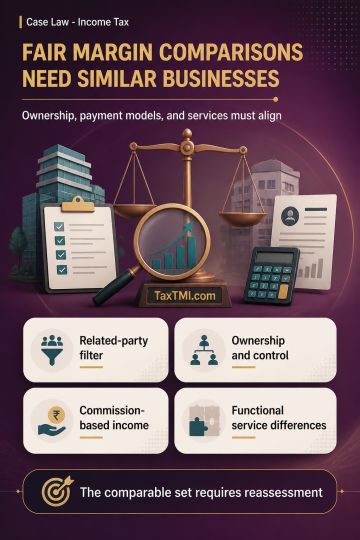
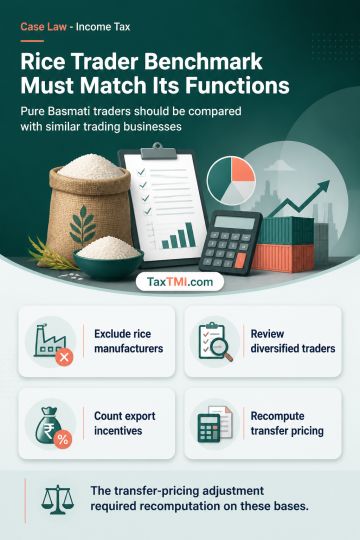
TNMM functional comparability requires excluding rice manufacturers from a pure Basmati rice trader's benchmark and recognising operating export recei...
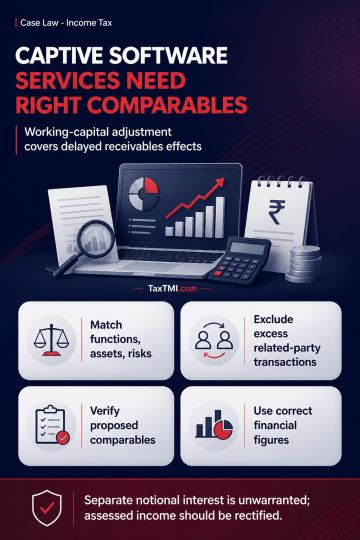
Working-capital adjustment subsumes delayed-receivable effects in TNMM benchmarking of captive software-development services, avoiding separate notion...
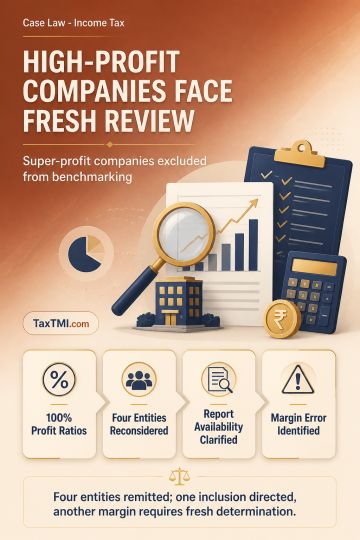
Transfer-pricing comparability requires exclusion of financially illogical super-profit comparables and correction of unsupported annual-report and ma...
Charitable character assessment preserves Section 80G approval despite inclusive spiritual teachings and incidental religious expenditure within the s...
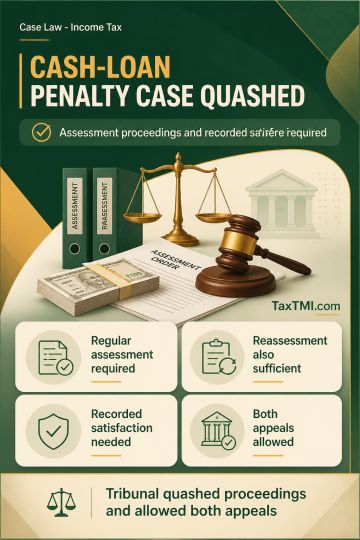
Penalty proceedings for cash-loan acceptance require assessment proceedings and recorded Assessing Officer satisfaction; absent these, the proceedings...
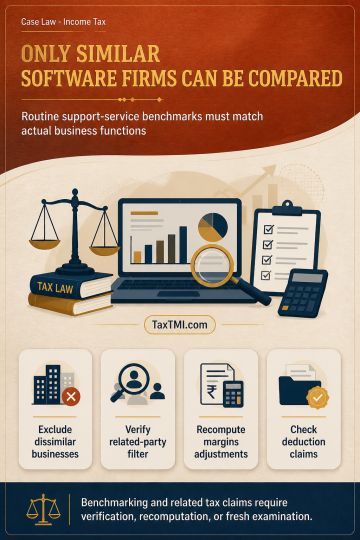
Functional comparability governs software-service benchmarking: dissimilar companies are excluded, while related-party filters, margins and working-ca...
Levy of GST - payment of notice pay by an employee to the applicant-employer in lieu of notice period - There can be no dispute about this fact that the applicant as employer is tolerating the act or situation whereby the employee is not giving the notice for the agreed period of 30 days before leaving the service of the applicant-company. Thus, by relieving an employee without notice period or by accepting a shorter notice period, the applicant is tolerating an act or a situation created by such action of the employee, and therefore, it is covered by Para 5(e) of Schedule II, and is a supply of service liable to tax. - AAR
Levy of GST - payment of notice pay by an employee to the applicant-employer in lieu of notice period - There can be no dispute about this fact that the applicant as employer is tolerating the act or situation whereby the employee is not giving the notice for the agreed period of 30 days before leaving the service of the applicant-company. Thus, by relieving an employee without notice period or by accepting a shorter notice period, the applicant is tolerating an act or a situation created by such action of the employee, and therefore, it is covered by Para 5(e) of Schedule II, and is a supply of service liable to tax. - AAR
Note: It is a system-generated summary and is for quick reference only.
 TaxTMI
  TaxTMI
 of 4826




 Join Channel


