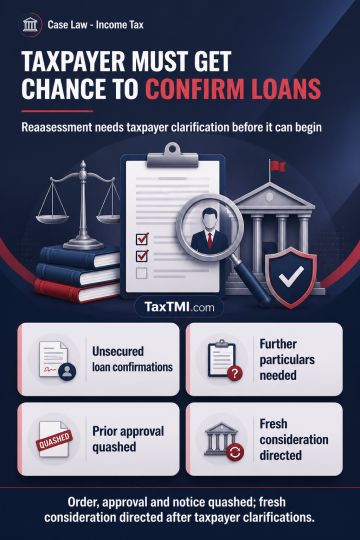
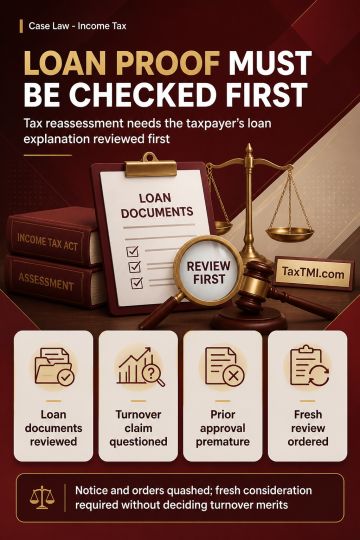
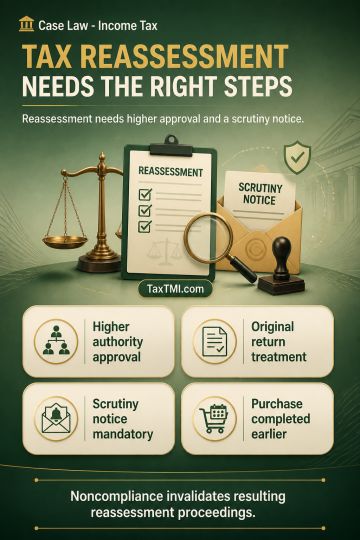
Opportunity to furnish unsecured-loan confirmations is required before reassessment initiation; proceedings require fresh consideration after taxpayer...
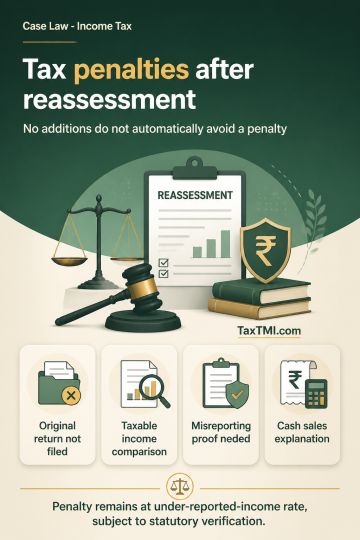
Under-reporting on a first reassessment return attracts penalty, while enhanced misreporting penalty requires proof of a statutory misreporting catego...
Validity of reassessment order passed u/s 39(2) of the Karnataka Value Added Tax - barred by limitation or not - It is pertinent to note that Section 40(2) of the Act applies to a case of a dealer who is unregistered and who has not paid taxes and has fraudulently failed to pay tax which results in punishment under Section 79 of the Act - the condition precedent for invocation of Section 40(2) of the Act have not been fulfilled in the case of the respondent and hence, the aforesaid provision does not apply to the case of the respondent. - the proceeding has to be held to be barred by limitation in view of the period of limitation prescribed under Section 46(1) of the Act. - HC
Validity of reassessment order passed u/s 39(2) of the Karnataka Value Added Tax - barred by limitation or not - It is pertinent to note that Section 40(2) of the Act applies to a case of a dealer who is unregistered and who has not paid taxes and has fraudulently failed to pay tax which results in punishment under Section 79 of the Act - the condition precedent for invocation of Section 40(2) of the Act have not been fulfilled in the case of the respondent and hence, the aforesaid provision does not apply to the case of the respondent. - the proceeding has to be held to be barred by limitation in view of the period of limitation prescribed under Section 46(1) of the Act. - HC
Note: It is a system-generated summary and is for quick reference only.
 TaxTMI
  TaxTMI
 of 4915