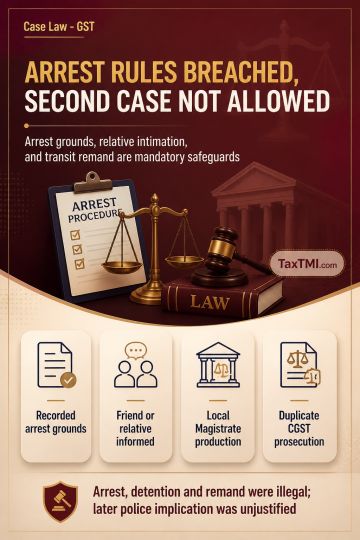
Arrest safeguards require disclosed grounds, relative intimation and transit remand, while duplicate prosecution under the CGST framework is unsustain...
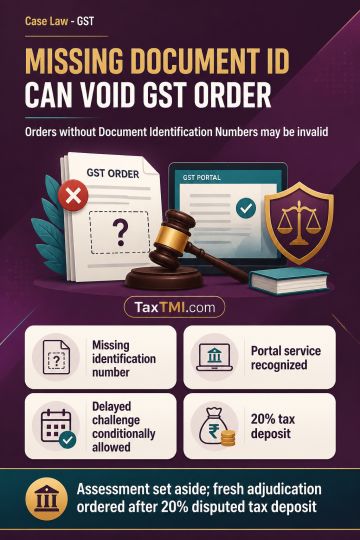
Document Identification Number defects can invalidate GST assessments, with delayed challenges entertained conditionally where patent irregularities e...
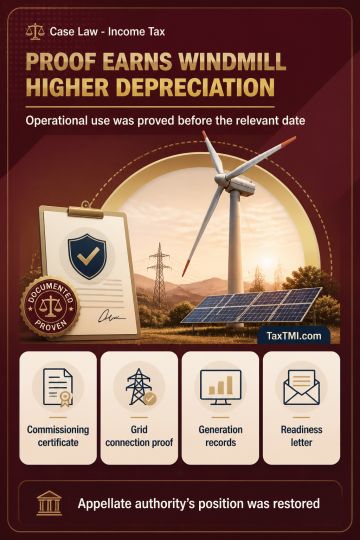
Windmill commissioning evidence supported higher depreciation where grid connection and electricity generation proved operational use before the relev...
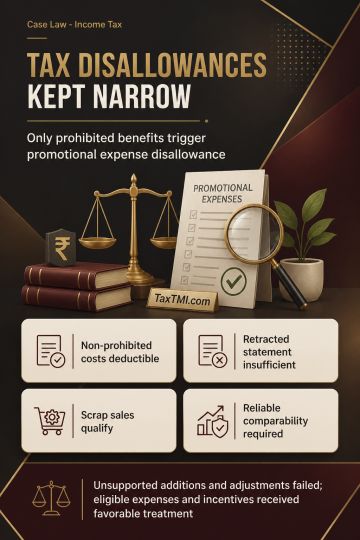
Pharmaceutical promotion and transfer-pricing comparability principles limited disallowances, while uncorroborated search allegations and unsupported ...
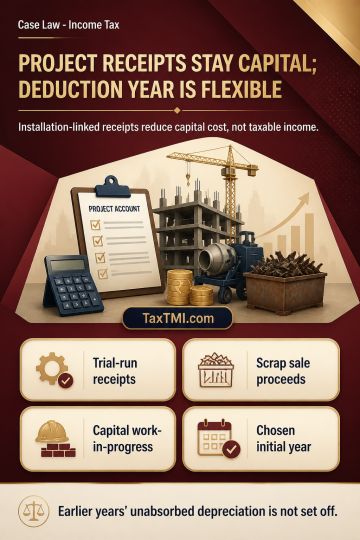
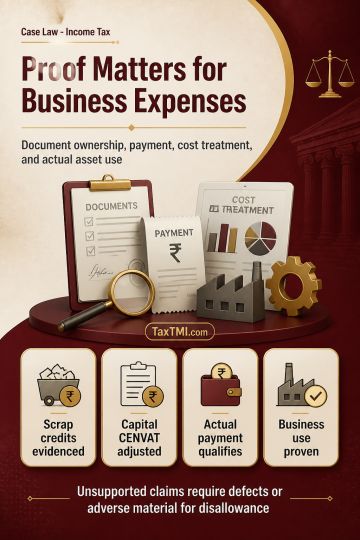
Business expenditure substantiation supports scrap credits, statutory payments and expense claims, while depreciation requires proof of actual busines...
Seeking vacation of the interim protection - constitutional validity of Sections 69 and 132 of the Central Goods and Services Tax Act, 2017 - case of petitioner is that the power to arrest and prosecute are not ancillary and/or incidental to the power to levy and collect goods and services tax - Even if Sections 69 and 132 of the Act could not have been enacted in pursuance to power under Article 246A, they could have been enacted under Entry 1 of List III, as laying down of a crime and providing for its punishment is ‘criminal law’. Consequently, this Court is of the prima facie view that in either option both Sections 69 and 132 of the Act are constitutional and fall within the legislative competence of Parliament. - HC
Seeking vacation of the interim protection - constitutional validity of Sections 69 and 132 of the Central Goods and Services Tax Act, 2017 - case of petitioner is that the power to arrest and prosecute are not ancillary and/or incidental to the power to levy and collect goods and services tax - Even if Sections 69 and 132 of the Act could not have been enacted in pursuance to power under Article 246A, they could have been enacted under Entry 1 of List III, as laying down of a crime and providing for its punishment is ‘criminal law’. Consequently, this Court is of the prima facie view that in either option both Sections 69 and 132 of the Act are constitutional and fall within the legislative competence of Parliament. - HC
Note: It is a system-generated summary and is for quick reference only.
 TaxTMI
 of 4788



 Join Channel


 TaxTMI