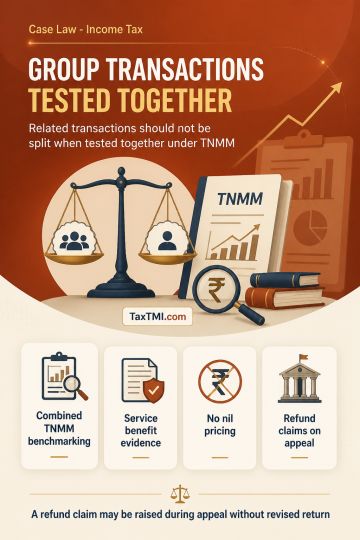
Aggregation under TNMM prevents selective testing of intra-group services without comparable uncontrolled transactions, while appellate additional cla...
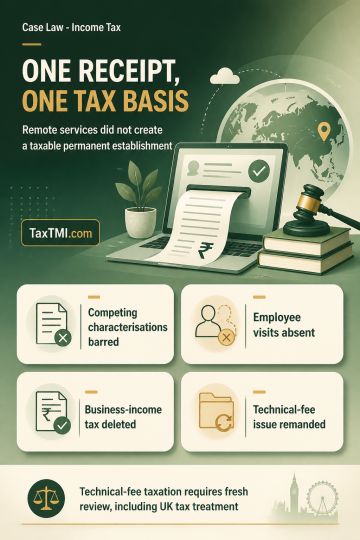
Protective assessment cannot duplicate identical receipts under competing characterisations; remote services did not establish a taxable permanent est...
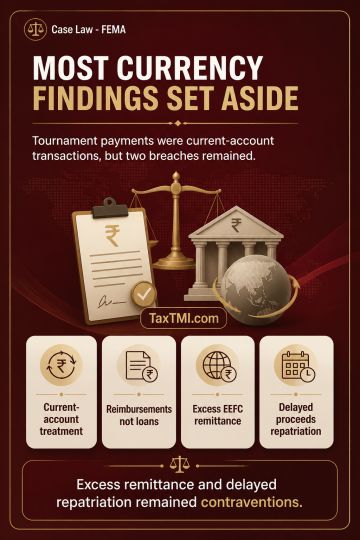
Current account treatment of overseas tournament services removed most FEMA findings, but excess EEFC remittance and delayed repatriation remained bre...
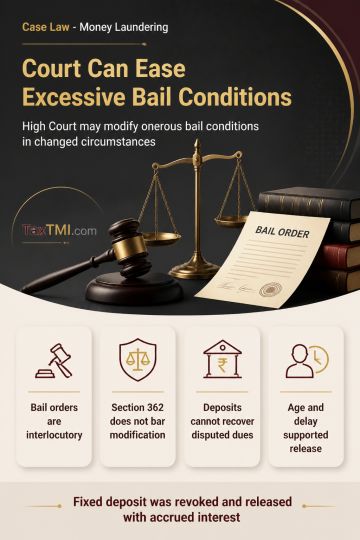
Modification of bail conditions remains available through inherent jurisdiction where onerous deposits undermine justice and cannot recover disputed d...
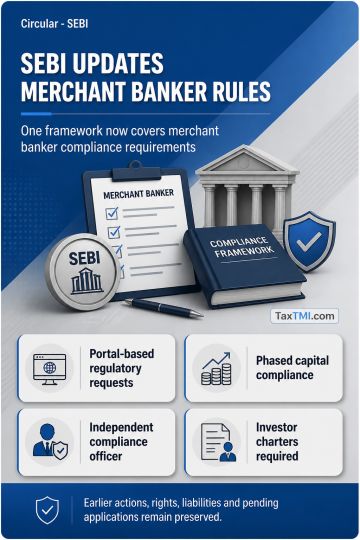
Merchant banker regulation consolidates registration, governance, capital, reporting, outsourcing and investor-protection requirements under an update...
Seeking vacation of the interim protection - constitutional validity of Sections 69 and 132 of the Central Goods and Services Tax Act, 2017 - case of petitioner is that the power to arrest and prosecute are not ancillary and/or incidental to the power to levy and collect goods and services tax - Even if Sections 69 and 132 of the Act could not have been enacted in pursuance to power under Article 246A, they could have been enacted under Entry 1 of List III, as laying down of a crime and providing for its punishment is ‘criminal law’. Consequently, this Court is of the prima facie view that in either option both Sections 69 and 132 of the Act are constitutional and fall within the legislative competence of Parliament. - HC
Seeking vacation of the interim protection - constitutional validity of Sections 69 and 132 of the Central Goods and Services Tax Act, 2017 - case of petitioner is that the power to arrest and prosecute are not ancillary and/or incidental to the power to levy and collect goods and services tax - Even if Sections 69 and 132 of the Act could not have been enacted in pursuance to power under Article 246A, they could have been enacted under Entry 1 of List III, as laying down of a crime and providing for its punishment is ‘criminal law’. Consequently, this Court is of the prima facie view that in either option both Sections 69 and 132 of the Act are constitutional and fall within the legislative competence of Parliament. - HC
Note: It is a system-generated summary and is for quick reference only.
 TaxTMI
 of 4786



 Join Channel


 TaxTMI