Composite inpatient healthcare supply may retain exemption despite MRP medicine billing, while separate taxable sale characterisation remains disputed...
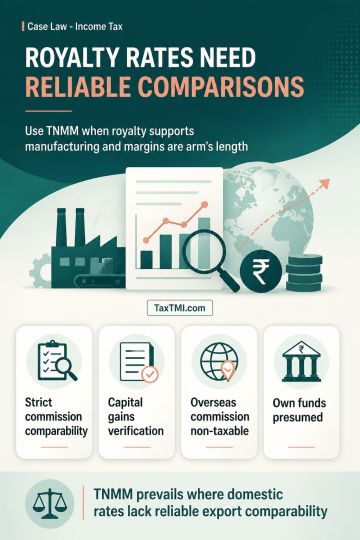
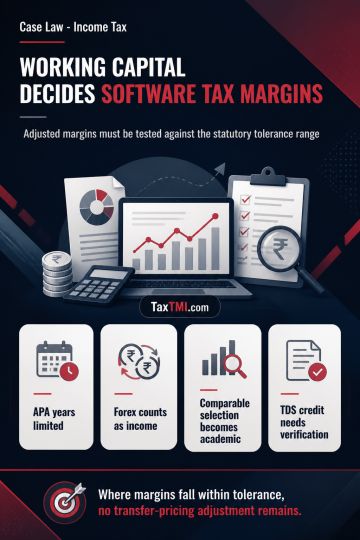
Working-capital adjustment determines whether software-services transfer-pricing margins fall within the statutory tolerance range, eliminating any ad...
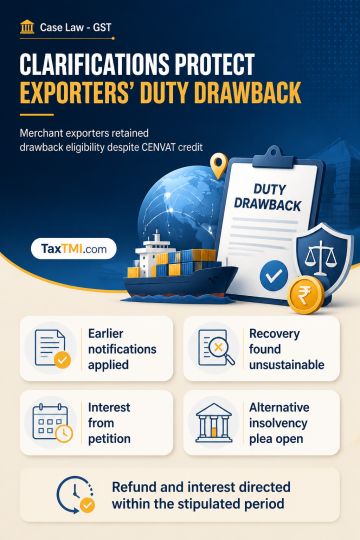
Permanent establishment deductions upheld for expatriate salaries, direct costs and trading losses, while head-office costs require fresh classificati...
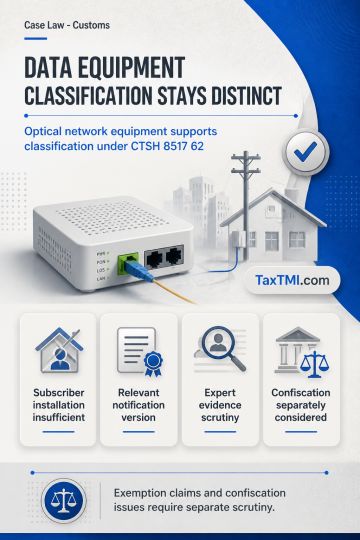
Data transmission equipment classification under CTSH 8517 62 remains distinct from residual classification, with exemption evidence requiring scrutin...
Insolvency and BankruptcySeptember 22, 2020Case LawsTri
Rule of IRP - A well functioning system of resolution driven by the IPs enables the adjudicator to delegate more and more powers and duties to the professionals. This creates the positive externality of better utilization of judicial time. The worse the performance of IPs, the more the adjudicator may need to personally supervise the process, which in turn may cause inordinate delays. Consumers in a well functioning market for IPs are likely to have greater trust in the overall insolvency resolution system. On the other hand, poor quality, services and recurring instances of malpractice and fraud, erode consumer trust. - Tri
Rule of IRP - A well functioning system of resolution driven by the IPs enables the adjudicator to delegate more and more powers and duties to the professionals. This creates the positive externality of better utilization of judicial time. The worse the performance of IPs, the more the adjudicator may need to personally supervise the process, which in turn may cause inordinate delays. Consumers in a well functioning market for IPs are likely to have greater trust in the overall insolvency resolution system. On the other hand, poor quality, services and recurring instances of malpractice and fraud, erode consumer trust. - Tri
Note: It is a system-generated summary and is for quick reference only.
 TaxTMI
 of 4803















 Join Channel


 TaxTMI
