Approved resolution plans extinguish unsubmitted pre-approval tax claims, preventing later recovery outside the insolvency process and preserving a cl...
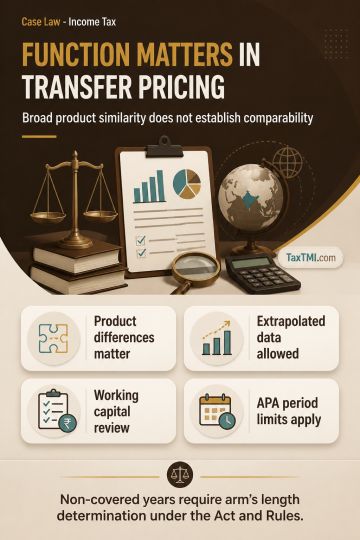
Transfer pricing comparability requires functional alignment and permits working capital adjustment, while APA margins cannot govern non-covered years...
Treaty benefit, goodwill depreciation and hedging costs: export commission disallowed, while key business deductions and depreciation claims succeeded...
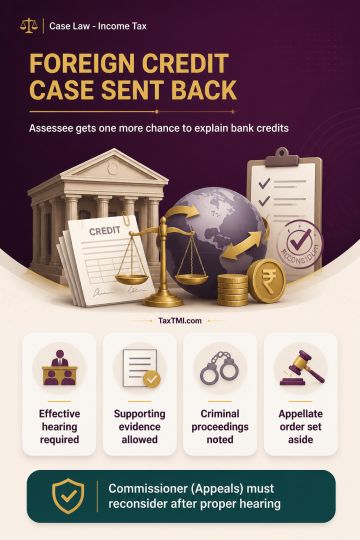
Undisclosed foreign asset classification requires an unexplained source; unrebutted affidavits and corroborative evidence defeated the Black Money Act...
Insolvency and BankruptcySeptember 22, 2020Case LawsTri
Rule of IRP - A well functioning system of resolution driven by the IPs enables the adjudicator to delegate more and more powers and duties to the professionals. This creates the positive externality of better utilization of judicial time. The worse the performance of IPs, the more the adjudicator may need to personally supervise the process, which in turn may cause inordinate delays. Consumers in a well functioning market for IPs are likely to have greater trust in the overall insolvency resolution system. On the other hand, poor quality, services and recurring instances of malpractice and fraud, erode consumer trust. - Tri
Rule of IRP - A well functioning system of resolution driven by the IPs enables the adjudicator to delegate more and more powers and duties to the professionals. This creates the positive externality of better utilization of judicial time. The worse the performance of IPs, the more the adjudicator may need to personally supervise the process, which in turn may cause inordinate delays. Consumers in a well functioning market for IPs are likely to have greater trust in the overall insolvency resolution system. On the other hand, poor quality, services and recurring instances of malpractice and fraud, erode consumer trust. - Tri
Note: It is a system-generated summary and is for quick reference only.
 TaxTMI
 of 4803














 Join Channel


 TaxTMI