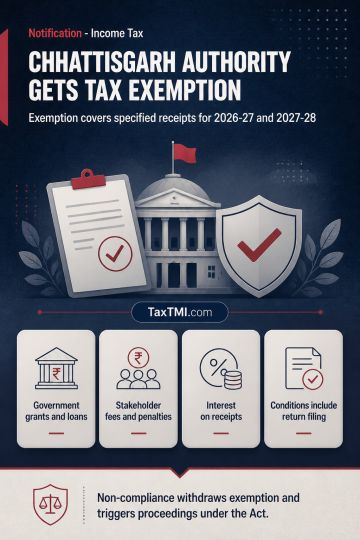
Specified regulatory authority income receives conditional tax exemption, subject to non-commercial activity, unchanged income character, and return f...
Tax exemption for regulatory authority income applies retrospectively, subject to non-commercial activity, unchanged income sources, and return-filing...
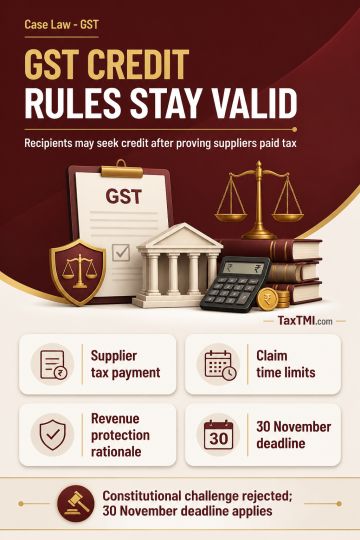
Input tax credit conditions remain constitutionally valid, with eligible recipient claims considered under GST circulars and retrospective filing dead...
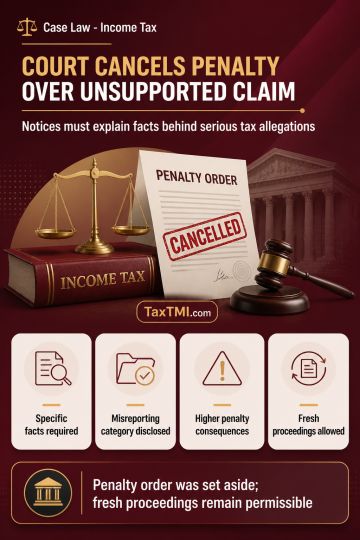
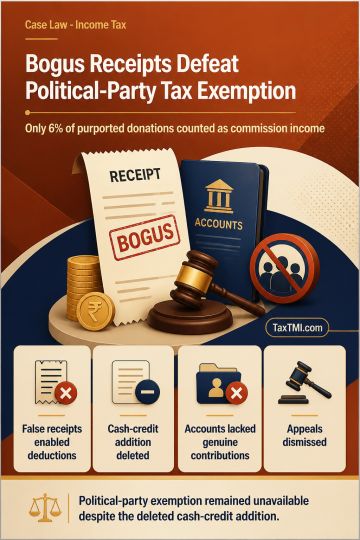
Bogus donation receipts justified commission income assessment and defeated political-party tax exemption for inaccurate accounts and reporting failur...
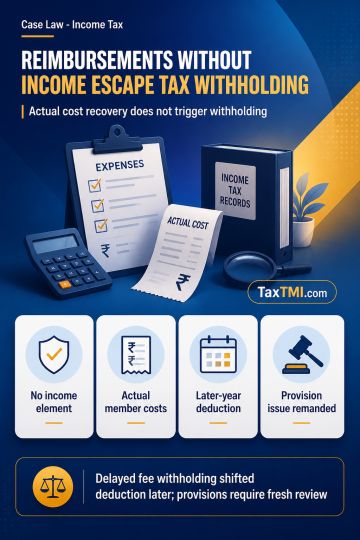
Pure reimbursement without income element escapes tax withholding, while delayed withholding and unsupported provisions face deferred or renewed scrut...
Public benefit requirement defeats charitable registration where residents' association services are reciprocal, member-only facilities governed by mu...
Insolvency and BankruptcySeptember 22, 2020Case LawsTri
Rule of IRP - A well functioning system of resolution driven by the IPs enables the adjudicator to delegate more and more powers and duties to the professionals. This creates the positive externality of better utilization of judicial time. The worse the performance of IPs, the more the adjudicator may need to personally supervise the process, which in turn may cause inordinate delays. Consumers in a well functioning market for IPs are likely to have greater trust in the overall insolvency resolution system. On the other hand, poor quality, services and recurring instances of malpractice and fraud, erode consumer trust. - Tri
Rule of IRP - A well functioning system of resolution driven by the IPs enables the adjudicator to delegate more and more powers and duties to the professionals. This creates the positive externality of better utilization of judicial time. The worse the performance of IPs, the more the adjudicator may need to personally supervise the process, which in turn may cause inordinate delays. Consumers in a well functioning market for IPs are likely to have greater trust in the overall insolvency resolution system. On the other hand, poor quality, services and recurring instances of malpractice and fraud, erode consumer trust. - Tri
Note: It is a system-generated summary and is for quick reference only.
 TaxTMI
 of 4801








 Join Channel


 TaxTMI
