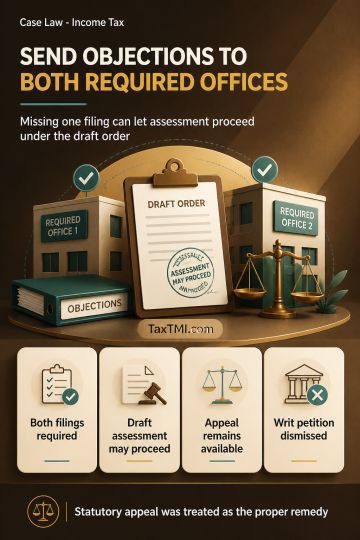
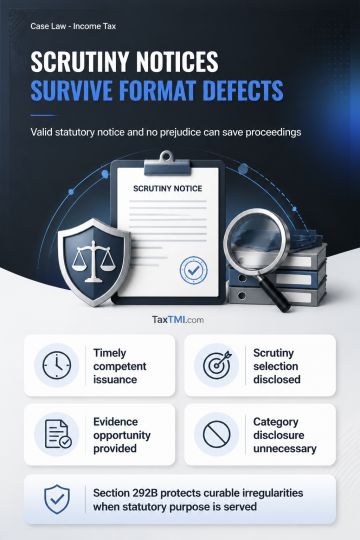
Dispute Resolution Panel objections must reach both prescribed forums; otherwise assessment may proceed and statutory appeal remains the proper remedy...
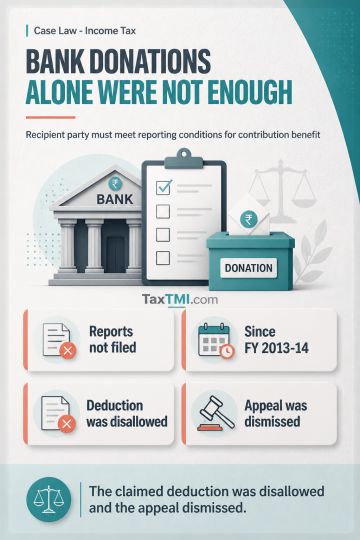
Political contribution deductions require recipient party compliance with contribution-reporting conditions; banking-channel donations alone do not qu...
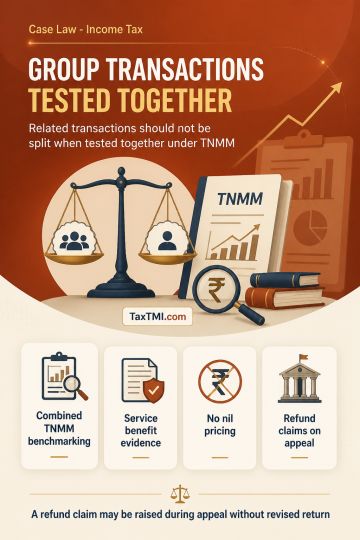
Aggregation under TNMM prevents selective testing of intra-group services without comparable uncontrolled transactions, while appellate additional cla...
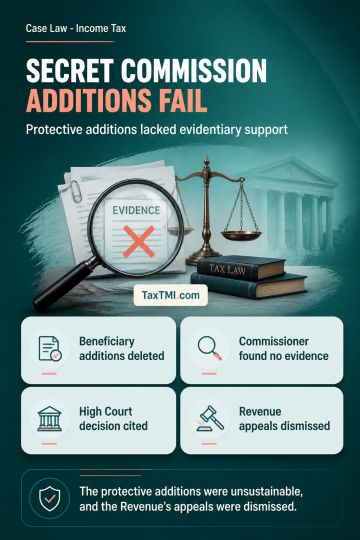
Protective assessment cannot duplicate identical receipts under competing characterisations; remote services did not establish a taxable permanent est...
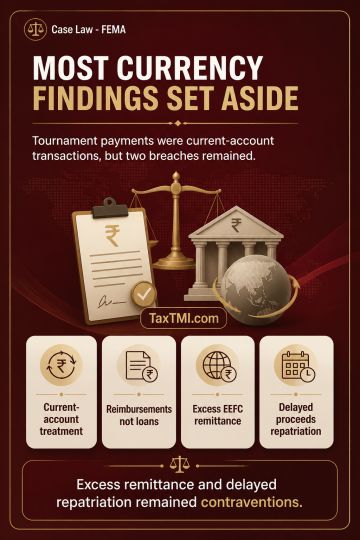
Current account treatment of overseas tournament services removed most FEMA findings, but excess EEFC remittance and delayed repatriation remained bre...
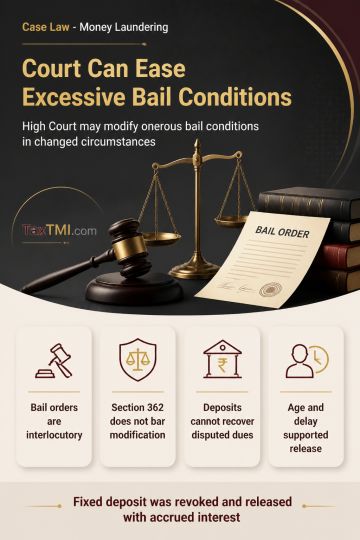
Modification of bail conditions remains available through inherent jurisdiction where onerous deposits undermine justice and cannot recover disputed d...
Insolvency and BankruptcySeptember 22, 2020Case LawsTri
Rule of IRP - A well functioning system of resolution driven by the IPs enables the adjudicator to delegate more and more powers and duties to the professionals. This creates the positive externality of better utilization of judicial time. The worse the performance of IPs, the more the adjudicator may need to personally supervise the process, which in turn may cause inordinate delays. Consumers in a well functioning market for IPs are likely to have greater trust in the overall insolvency resolution system. On the other hand, poor quality, services and recurring instances of malpractice and fraud, erode consumer trust. - Tri
Rule of IRP - A well functioning system of resolution driven by the IPs enables the adjudicator to delegate more and more powers and duties to the professionals. This creates the positive externality of better utilization of judicial time. The worse the performance of IPs, the more the adjudicator may need to personally supervise the process, which in turn may cause inordinate delays. Consumers in a well functioning market for IPs are likely to have greater trust in the overall insolvency resolution system. On the other hand, poor quality, services and recurring instances of malpractice and fraud, erode consumer trust. - Tri
Note: It is a system-generated summary and is for quick reference only.
 TaxTMI
 of 4800










 Join Channel


 TaxTMI
