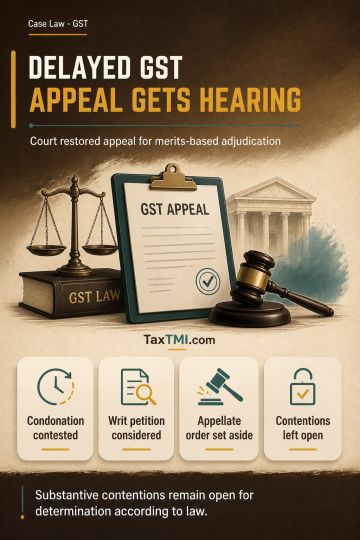
Necessary-party requirements limit impleadment of independent entities, while deferred consideration does not create an appealable adverse determinati...
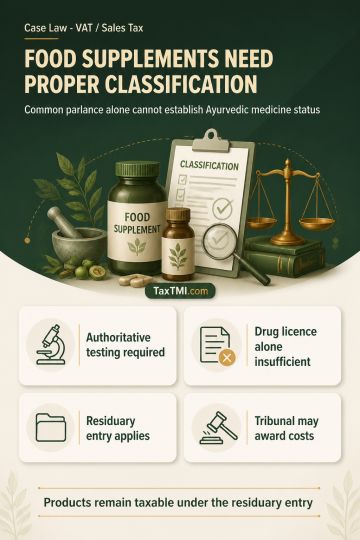
Food supplement classification requires common parlance and authoritative tests, preventing treatment as proprietary Ayurvedic medicines without suppo...
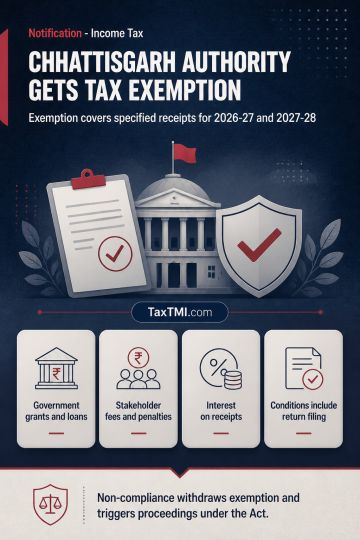
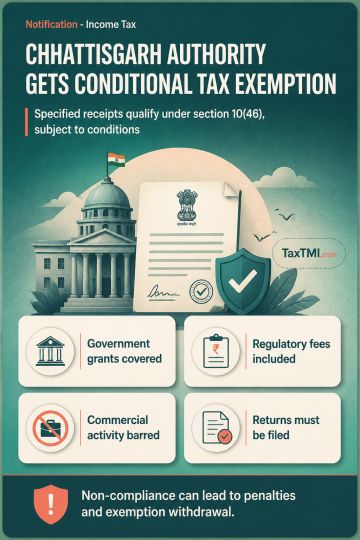
Specified regulatory authority income receives conditional tax exemption, subject to non-commercial activity, unchanged income character, and return f...
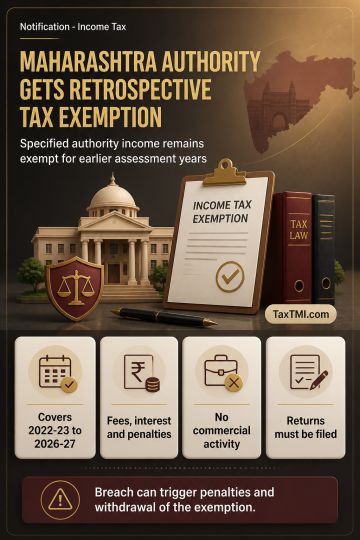
Tax exemption for regulatory authority income applies retrospectively, subject to non-commercial activity, unchanged income sources, and return-filing...
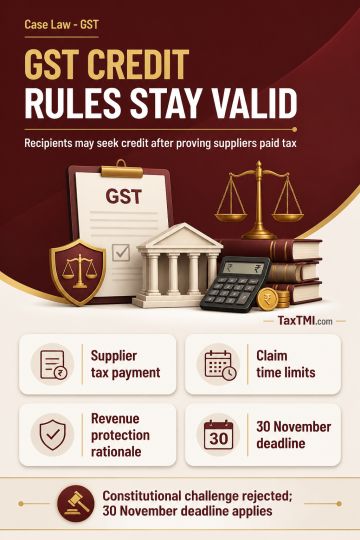
Input tax credit conditions remain constitutionally valid, with eligible recipient claims considered under GST circulars and retrospective filing dead...
Insolvency and BankruptcyAugust 5, 2020Case LawsHC
Vires of Section 196 of the IBC - power of IBBI to levy fees on IP - excessive delegation - The IBBI does provide significant services, including in relation to IPs and that there is broad correlation between fees and services. Given the fact that direct or arithmetical correlation as between the fee received and service rendered is not necessary especially in the context of regulatory fees, Regulation 7(2)(ca) of the IP Regulations does not suffer from any constitutional infirmity on account of the absence of quid pro quo. - HC
Vires of Section 196 of the IBC - power of IBBI to levy fees on IP - excessive delegation - The IBBI does provide significant services, including in relation to IPs and that there is broad correlation between fees and services. Given the fact that direct or arithmetical correlation as between the fee received and service rendered is not necessary especially in the context of regulatory fees, Regulation 7(2)(ca) of the IP Regulations does not suffer from any constitutional infirmity on account of the absence of quid pro quo. - HC
Note: It is a system-generated summary and is for quick reference only.
 TaxTMI
 of 4784








 Join Channel


 TaxTMI