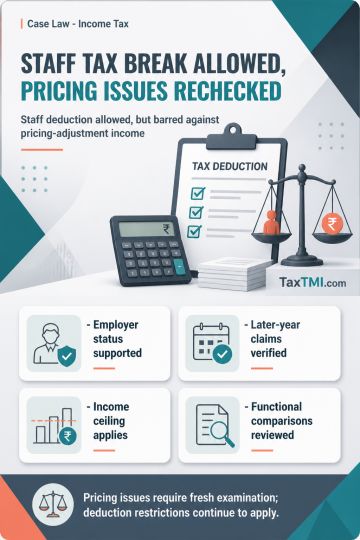
Section 80JJAA employee-cost deduction allowed for deployed staff but barred against transfer-pricing income enhancement, with pricing issues remanded...
Transfer-pricing methodology protects commercially genuine associated-enterprise payments, while pre-2016 secondary adjustments and related notional i...
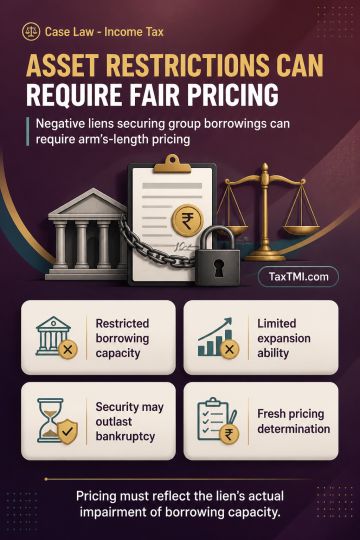
Negative liens over operating assets can constitute international transactions requiring arm's-length pricing reflecting restricted borrowing and expa...
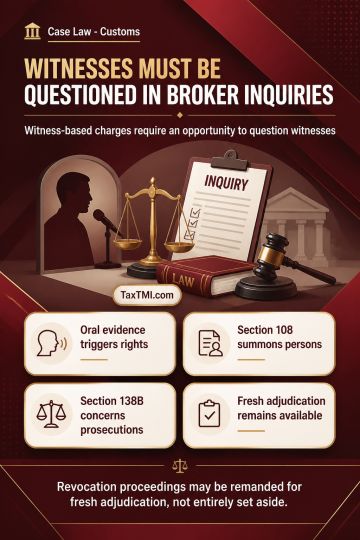
Cross-examination rights in Customs Broker revocation inquiries require witness examination; procedural denial may be cured through fresh adjudication...
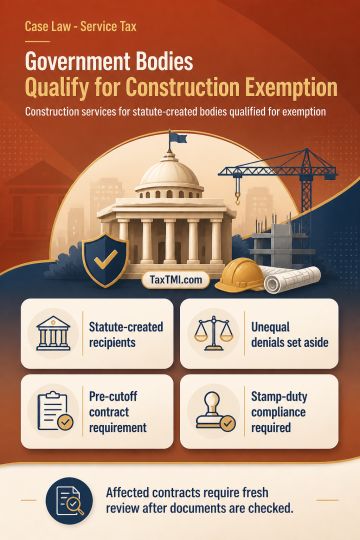
Governmental authority status supports construction-service exemption, while pre-cutoff contract and stamp-duty compliance requires verification on re...
Page of 4826
Press 'Enter' after typing page number.
81 to 100 of 96510 Results
❮
❯
❯❯
0 / 200
Expand Note
Add to Folder
No Folders have been created
+
Are you sure you want to delete "My most important" ?
Exhaustion of an efficacious statutory appellate remedy is the...
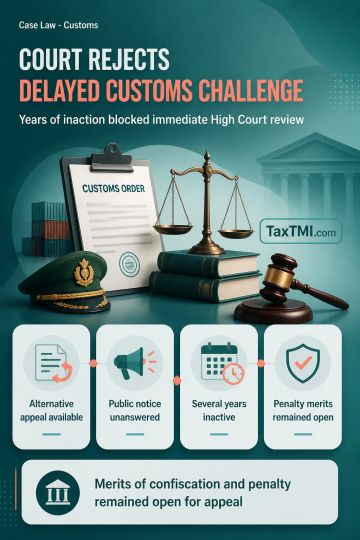
Alternative statutory remedy and unexplained delay barred writ review of customs confiscation adjudication, leaving merits for appellate consideration.
Contents
Summary
Note
Bookmark
Share
✓ Copied successfully !
Print
Print Options
For full text, please login
Login to TaxTMI
Verification Pending
The Email Id has not been verified. Click on the link we have sent on
Exhaustion of an efficacious statutory appellate remedy is the governing rule for challenges to customs adjudication in writ jurisdiction, though it is not an absolute bar. Challenges relating to notice service, denial of hearing, purported waiver and the adjudication record should be examined through the statutory appeal where the Order-in-Original is appealable. The High Court declined writ jurisdiction because the petitioner remained inactive for several years despite knowledge of seizure, did not respond to public notice, and gave no satisfactory explanation for delay. The writ petition was dismissed for delay and laches, with the available appeal providing an additional ground; merits of confiscation and penalty remained open.
Exhaustion of an efficacious statutory appellate remedy is the governing rule for challenges to customs adjudication in writ jurisdiction, though it is not an absolute bar. Challenges relating to notice service, denial of hearing, purported waiver and the adjudication record should be examined through the statutory appeal where the Order-in-Original is appealable. The High Court declined writ jurisdiction because the petitioner remained inactive for several years despite knowledge of seizure, did not respond to public notice, and gave no satisfactory explanation for delay. The writ petition was dismissed for delay and laches, with the available appeal providing an additional ground; merits of confiscation and penalty remained open.
Note: It is a system-generated summary and is for quick reference only.
 TaxTMI
  TaxTMI
 of 4826













 Join Channel