Donor-directed corpus contributions retain capital character despite exemption claims under section 10(23C)(vi), preventing their treatment as taxable...
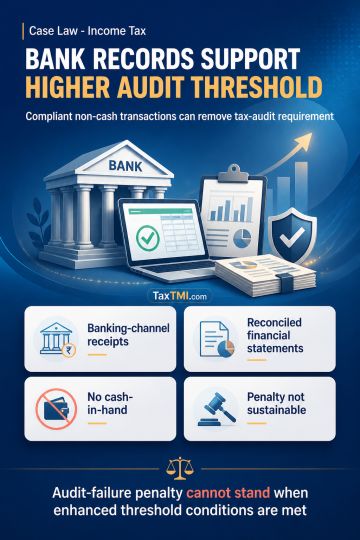
Enhanced tax-audit threshold applies where banking records establish compliant non-cash receipts and payments, eliminating penalty exposure for audit ...
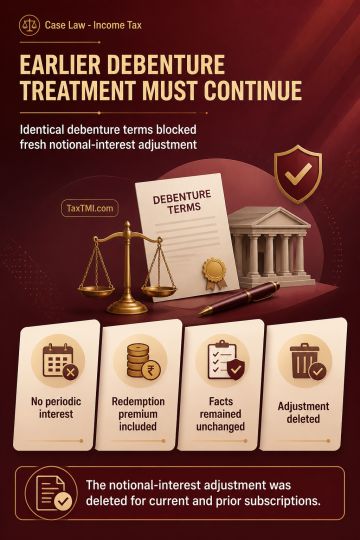
Transfer pricing consistency protects identical non-interest-bearing debenture terms from a later notional-interest adjustment without valid statutory...
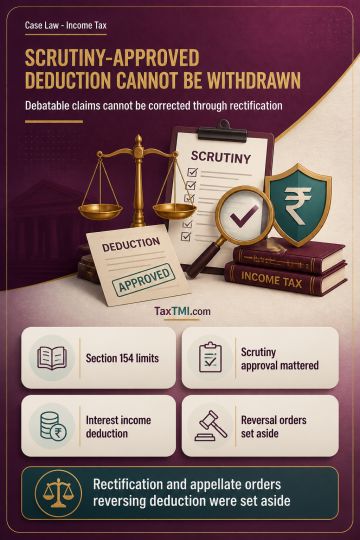
Rectification of debatable deduction claims cannot reverse scrutiny-approved co-operative society interest income deductions as apparent record errors...
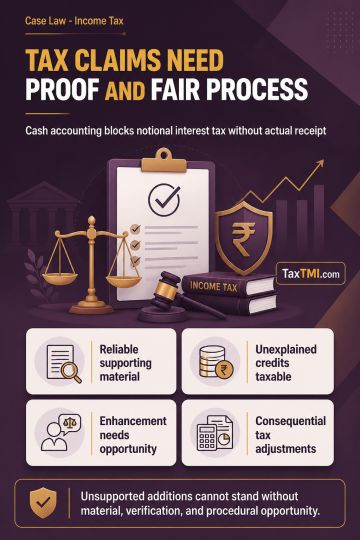
Cash-method accounting bars presumptive interest taxation, while unsupported securities and share-trading additions require reliable material and veri...
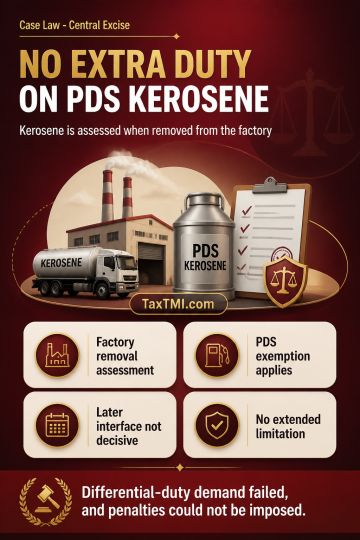
Excise assessment of superior kerosene oil is determined by its form and exemption eligibility at factory removal. Kerosene cleared for sale through the Public Distribution System after satisfying exemption conditions does not become assessable at motor-spirit or high-speed-diesel rates merely because it later forms a pipeline interface beyond the refinery; an administrative circular cannot create liability contrary to governing provisions. The differential-duty demand on interface kerosene was therefore unsustainable. Extended limitation requires evidence of suppression or wilful misstatement with intent to evade duty; departmental ability to inquire and a bona fide belief defeated its use. Without such evidence, penalties against the entities and employee were not imposable.
Excise assessment of superior kerosene oil is determined by its form and exemption eligibility at factory removal. Kerosene cleared for sale through the Public Distribution System after satisfying exemption conditions does not become assessable at motor-spirit or high-speed-diesel rates merely because it later forms a pipeline interface beyond the refinery; an administrative circular cannot create liability contrary to governing provisions. The differential-duty demand on interface kerosene was therefore unsustainable. Extended limitation requires evidence of suppression or wilful misstatement with intent to evade duty; departmental ability to inquire and a bona fide belief defeated its use. Without such evidence, penalties against the entities and employee were not imposable.
Note: It is a system-generated summary and is for quick reference only.
 TaxTMI
  TaxTMI
 of 4827






 Join Channel