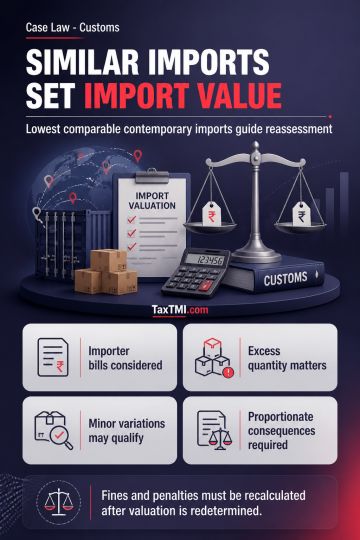
Customs valuation must use comparable contemporary imports, while confiscation fines and penalties require proportionate recalculation on reassessed v...
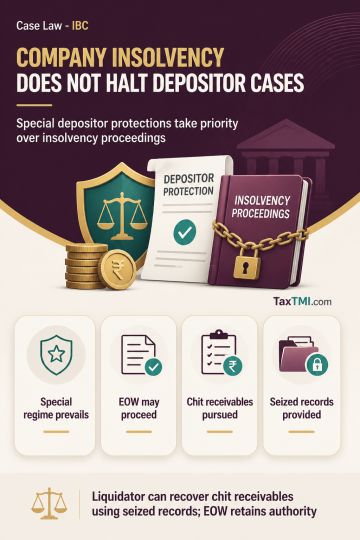
Depositor-protection proceedings prevail over corporate insolvency, while liquidators may recover chit receivables using copies of seized company reco...
Intermediary service classification fails where overseas admission facilitation is supplied independently, preserving export treatment and small-provi...
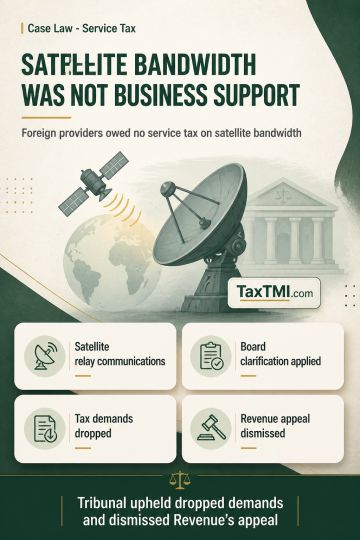
Satellite transponder bandwidth is telecommunication, not Business Support Service; foreign non-telegraph providers triggered no service tax liability...
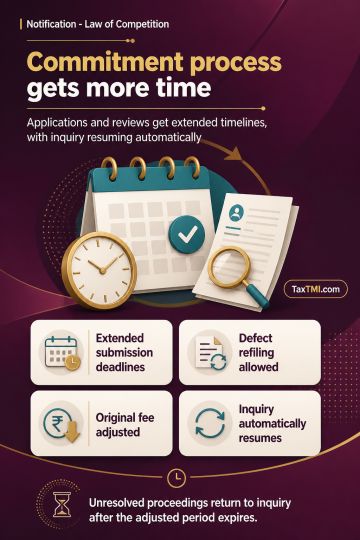
Commitment proceedings gain extended timelines, structured defect refiling, and automatic resumption of inquiry after the adjusted completion period e...
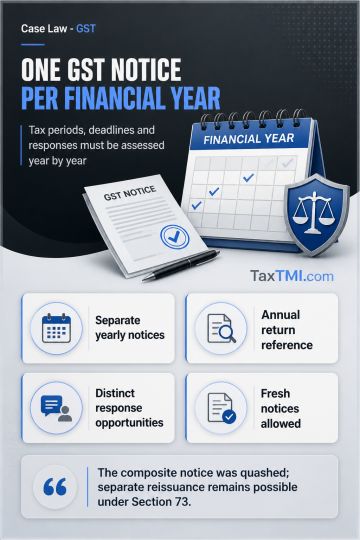
Section 73 of the CGST Act requires GST assessment and demand limitation to be determined separately for each financial year, with reference to the relevant annual return. A composite show cause notice covering multiple financial years improperly combines distinct tax periods, due dates, limitation periods, allegations and response opportunities. High Court precedent is binding within its territorial jurisdiction. The composite notice was quashed, while preserving the respondents' liberty to issue fresh notices separately in accordance with Section 73, subject to any other legal impediment.
Section 73 of the CGST Act requires GST assessment and demand limitation to be determined separately for each financial year, with reference to the relevant annual return. A composite show cause notice covering multiple financial years improperly combines distinct tax periods, due dates, limitation periods, allegations and response opportunities. High Court precedent is binding within its territorial jurisdiction. The composite notice was quashed, while preserving the respondents' liberty to issue fresh notices separately in accordance with Section 73, subject to any other legal impediment.
Note: It is a system-generated summary and is for quick reference only.
 TaxTMI
  TaxTMI
 of 4823











 Join Channel