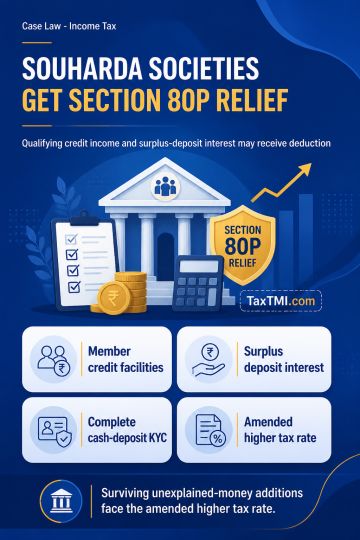
Section 80P deduction covers Souharda credit societies, including qualifying surplus-deposit interest, subject to member KYC verification for cash dep...
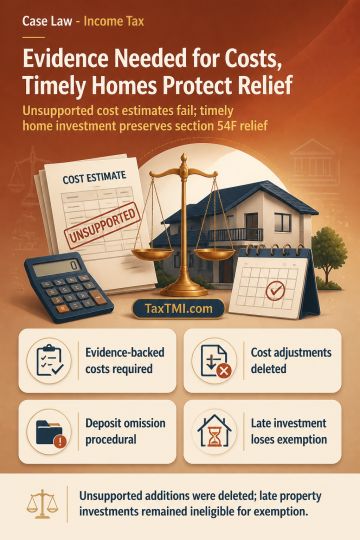
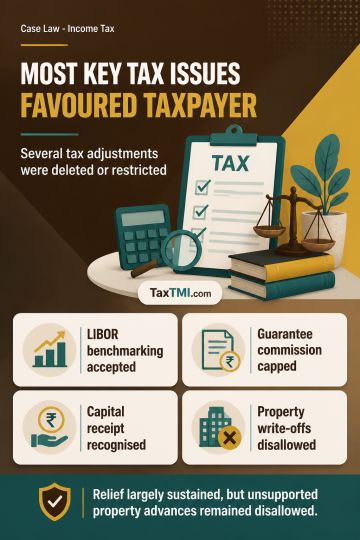
Transfer-pricing benchmarking and capital-receipt principles sustained taxpayer relief, while unsupported property-advance write-offs remained disallo...
Regular bail in alleged fraudulent input tax credit availment through fake invoices depends on more than the seriousness of an economic offence. Relevant considerations include custody period, maximum punishment, the nature of evidence, risk of evidence tampering or witness influence, cooperation with trial, prior antecedents, and the likelihood of early trial completion. The High Court found that the accused had spent about four months in custody, faced a maximum five-year sentence, had no antecedents, and confronted documentary evidence, with no material showing interference risk. Bail was granted on bonds, subject to conditions against interfering with proceedings, requiring address updates, and restricting foreign travel without permission.
Regular bail in alleged fraudulent input tax credit availment through fake invoices depends on more than the seriousness of an economic offence. Relevant considerations include custody period, maximum punishment, the nature of evidence, risk of evidence tampering or witness influence, cooperation with trial, prior antecedents, and the likelihood of early trial completion. The High Court found that the accused had spent about four months in custody, faced a maximum five-year sentence, had no antecedents, and confronted documentary evidence, with no material showing interference risk. Bail was granted on bonds, subject to conditions against interfering with proceedings, requiring address updates, and restricting foreign travel without permission.
Note: It is a system-generated summary and is for quick reference only.
 TaxTMI
  TaxTMI
 of 4828











 Join Channel