Specified regulatory authority income receives conditional tax exemption, subject to non-commercial activity, unchanged income character, and return f...
Tax exemption for regulatory authority income applies retrospectively, subject to non-commercial activity, unchanged income sources, and return-filing...
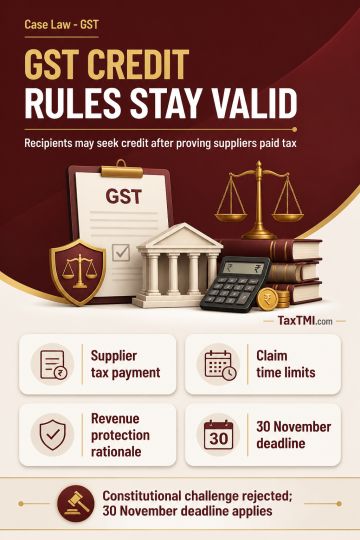
Input tax credit conditions remain constitutionally valid, with eligible recipient claims considered under GST circulars and retrospective filing dead...
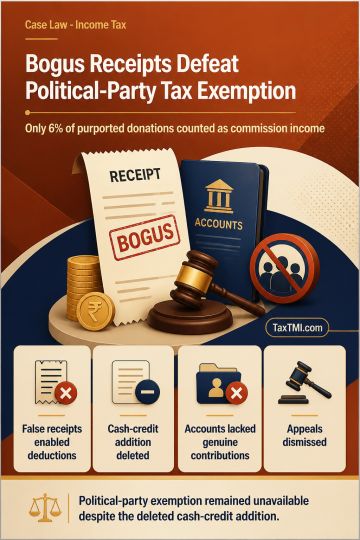
Bogus donation receipts justified commission income assessment and defeated political-party tax exemption for inaccurate accounts and reporting failur...
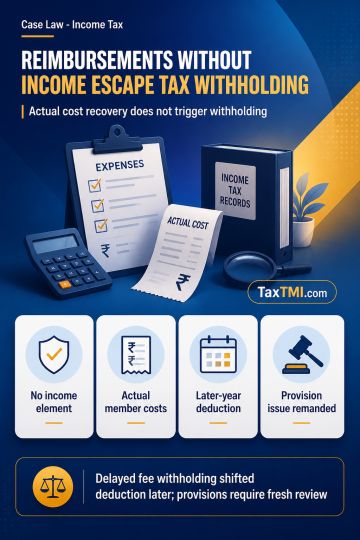
Pure reimbursement without income element escapes tax withholding, while delayed withholding and unsupported provisions face deferred or renewed scrut...
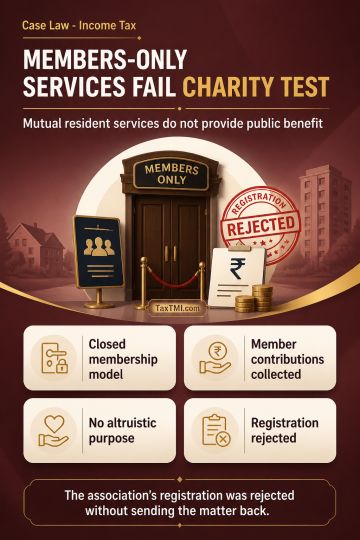
Public benefit requirement defeats charitable registration where residents' association services are reciprocal, member-only facilities governed by mu...
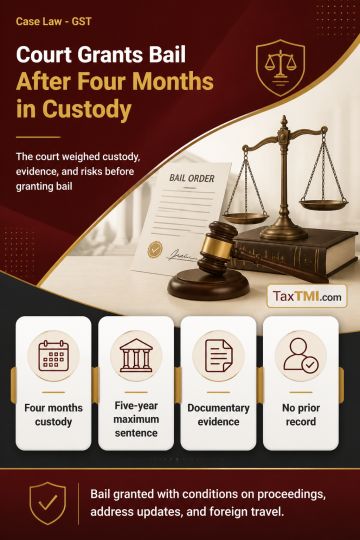
Regular bail in alleged fraudulent input tax credit availment through fake invoices depends on more than the seriousness of an economic offence. Relevant considerations include custody period, maximum punishment, the nature of evidence, risk of evidence tampering or witness influence, cooperation with trial, prior antecedents, and the likelihood of early trial completion. The High Court found that the accused had spent about four months in custody, faced a maximum five-year sentence, had no antecedents, and confronted documentary evidence, with no material showing interference risk. Bail was granted on bonds, subject to conditions against interfering with proceedings, requiring address updates, and restricting foreign travel without permission.
Regular bail in alleged fraudulent input tax credit availment through fake invoices depends on more than the seriousness of an economic offence. Relevant considerations include custody period, maximum punishment, the nature of evidence, risk of evidence tampering or witness influence, cooperation with trial, prior antecedents, and the likelihood of early trial completion. The High Court found that the accused had spent about four months in custody, faced a maximum five-year sentence, had no antecedents, and confronted documentary evidence, with no material showing interference risk. Bail was granted on bonds, subject to conditions against interfering with proceedings, requiring address updates, and restricting foreign travel without permission.
Note: It is a system-generated summary and is for quick reference only.
 TaxTMI
  TaxTMI
 of 4824










 Join Channel