Approved resolution plans extinguish unsubmitted pre-approval tax claims, preventing later recovery outside the insolvency process and preserving a cl...
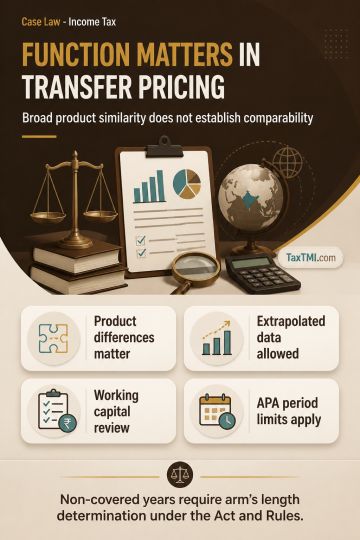
Transfer pricing comparability requires functional alignment and permits working capital adjustment, while APA margins cannot govern non-covered years...
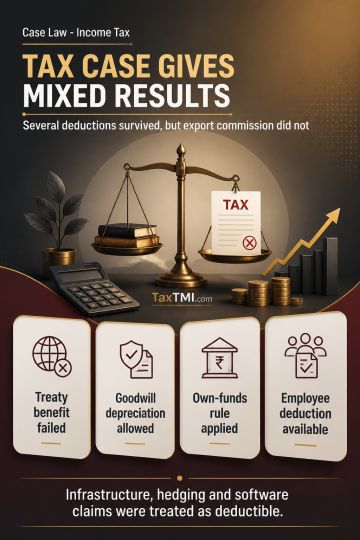
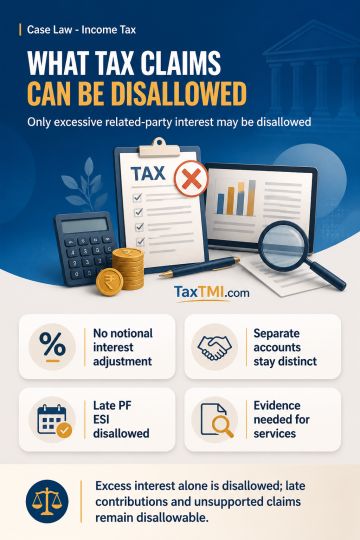
Treaty benefit, goodwill depreciation and hedging costs: export commission disallowed, while key business deductions and depreciation claims succeeded...
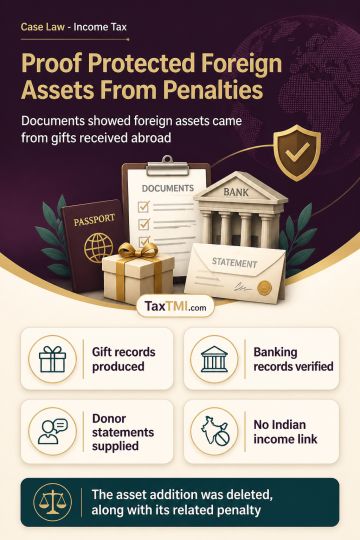
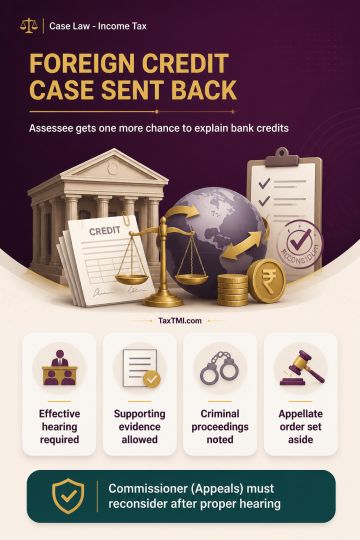
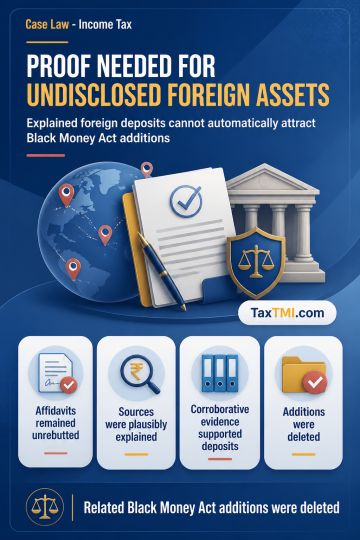
Undisclosed foreign asset classification requires an unexplained source; unrebutted affidavits and corroborative evidence defeated the Black Money Act...
Vicarious liability of a company director for cheque dishonour...
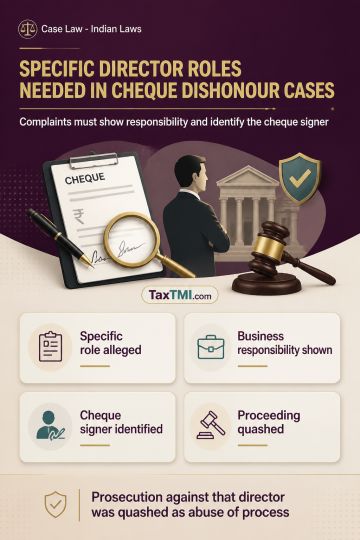
Vicarious liability for cheque dishonour requires specific allegations of responsibility and cheque signatory; generic director allegations cannot sustain prosecution.
Contents
Summary
Note
Bookmark
Share
✓ Copied successfully !
Print
Print Options
For full text, please login
Login to TaxTMI
Verification Pending
The Email Id has not been verified. Click on the link we have sent on
Vicarious liability of a company director for cheque dishonour requires a complaint to specifically aver that the director was both in charge of, and responsible to, the company for conducting its business when the offence occurred. Mere directorship or a general allegation that all directors managed day-to-day affairs is insufficient. The complaint must also disclose the identity of the person who drew or signed the cheque. As no individual role was attributed to the director and no cheque signatory was identified, continuation of the prosecution was treated as an abuse of process and the cheque-dishonour proceeding was quashed against that director.
Vicarious liability of a company director for cheque dishonour requires a complaint to specifically aver that the director was both in charge of, and responsible to, the company for conducting its business when the offence occurred. Mere directorship or a general allegation that all directors managed day-to-day affairs is insufficient. The complaint must also disclose the identity of the person who drew or signed the cheque. As no individual role was attributed to the director and no cheque signatory was identified, continuation of the prosecution was treated as an abuse of process and the cheque-dishonour proceeding was quashed against that director.
Note: It is a system-generated summary and is for quick reference only.
 TaxTMI
  TaxTMI
 of 4830









 Join Channel