Nature-dependent electricity contracts receive new Ind AS accounting, hedge designation, transition and financial-statement disclosure requirements fr...
Alternative GST remedy permitted protective writ intervention for ex parte adjudication, preserving independent appellate review of input tax credit d...
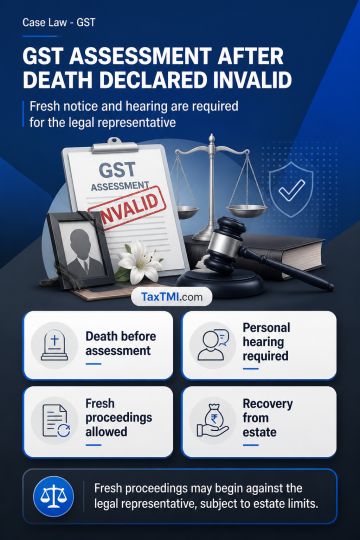
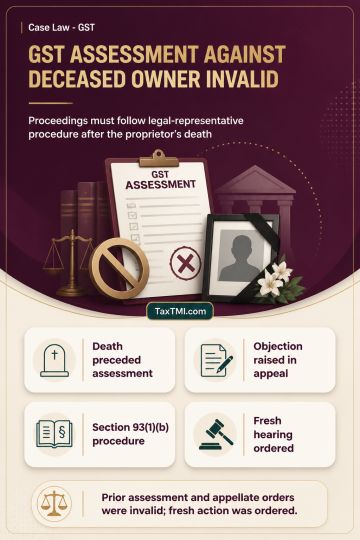
Assessment against deceased sole proprietor requires proceedings against the legal representative, rendering prior assessment and appellate orders inv...
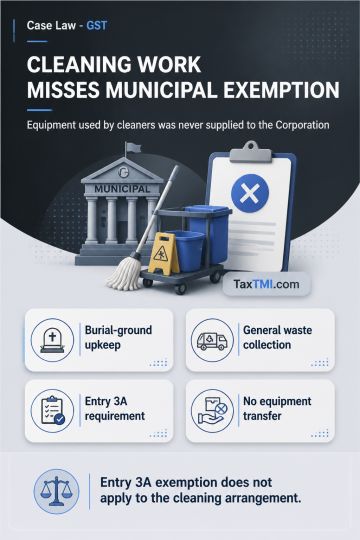
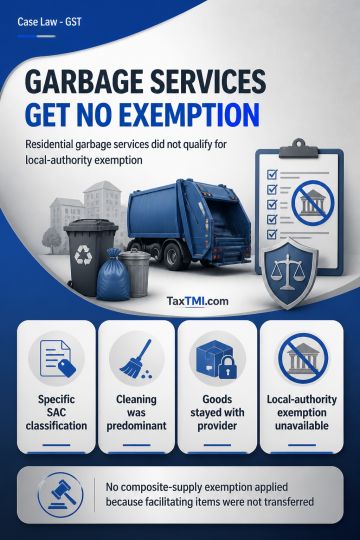
Residential waste collection classification under SAC 999423 defeats composite-supply exemption where facilitating goods are not transferred to the lo...
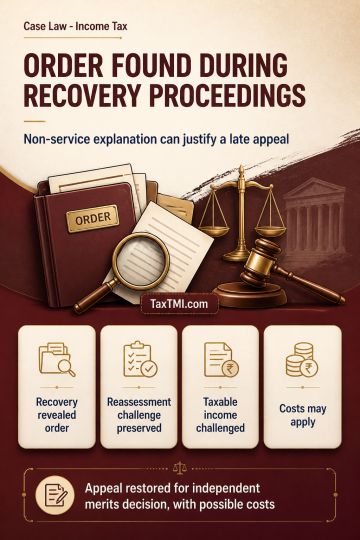
Condonation of delay permits statutory appeal restoration where inadequate service explanation prevented consideration of reassessment and taxable-inc...
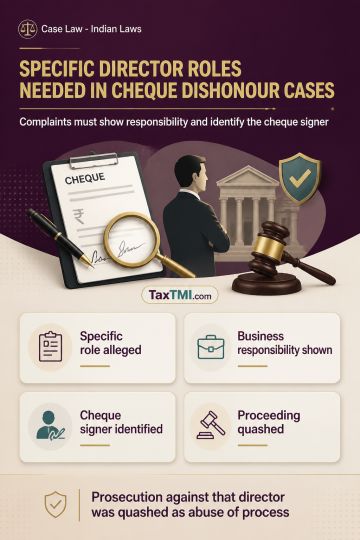
Vicarious liability of a company director for cheque dishonour...
Vicarious liability for cheque dishonour requires specific allegations of responsibility and cheque signatory; generic director allegations cannot sustain prosecution.
Contents
Summary
Note
Bookmark
Share
✓ Copied successfully !
Print
Print Options
For full text, please login
Login to TaxTMI
Verification Pending
The Email Id has not been verified. Click on the link we have sent on
Vicarious liability of a company director for cheque dishonour requires a complaint to specifically aver that the director was both in charge of, and responsible to, the company for conducting its business when the offence occurred. Mere directorship or a general allegation that all directors managed day-to-day affairs is insufficient. The complaint must also disclose the identity of the person who drew or signed the cheque. As no individual role was attributed to the director and no cheque signatory was identified, continuation of the prosecution was treated as an abuse of process and the cheque-dishonour proceeding was quashed against that director.
Vicarious liability of a company director for cheque dishonour requires a complaint to specifically aver that the director was both in charge of, and responsible to, the company for conducting its business when the offence occurred. Mere directorship or a general allegation that all directors managed day-to-day affairs is insufficient. The complaint must also disclose the identity of the person who drew or signed the cheque. As no individual role was attributed to the director and no cheque signatory was identified, continuation of the prosecution was treated as an abuse of process and the cheque-dishonour proceeding was quashed against that director.
Note: It is a system-generated summary and is for quick reference only.
 TaxTMI
  TaxTMI
 of 4817




 Join Channel