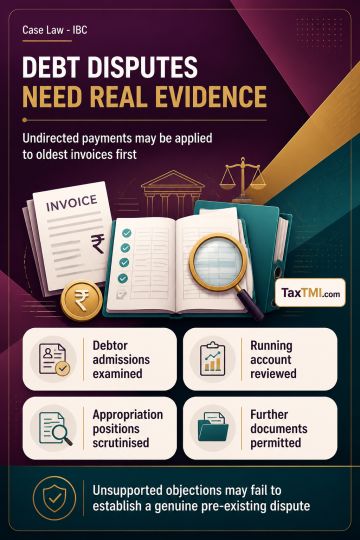
Pre-existing operational debt disputes require genuine evidence, while undirected running-account payments may be appropriated on a first-in-first-out...
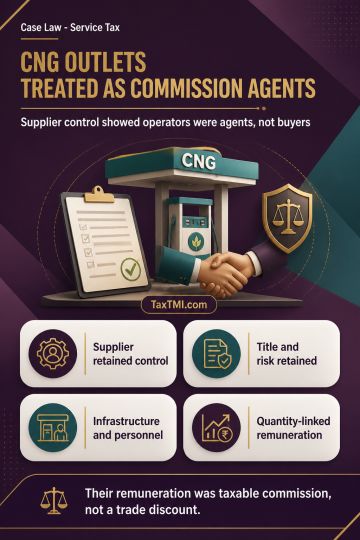
Agency in CNG distribution makes outlet operators commission agents, rendering taxable Business Auxiliary Service rather than purchasing goods for res...
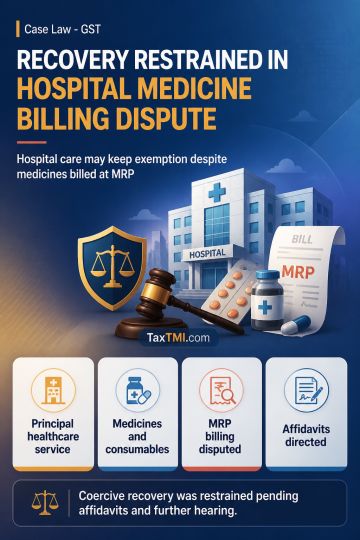
Composite inpatient healthcare supply may retain exemption despite MRP medicine billing, while separate taxable sale characterisation remains disputed...
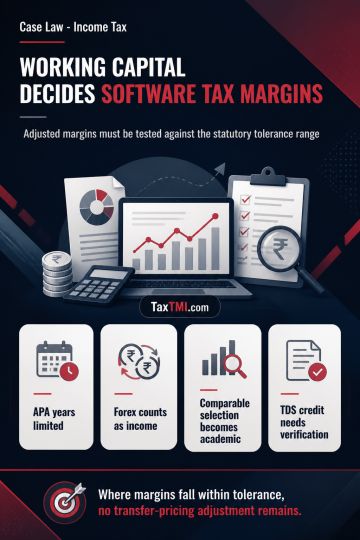
Working-capital adjustment determines whether software-services transfer-pricing margins fall within the statutory tolerance range, eliminating any ad...
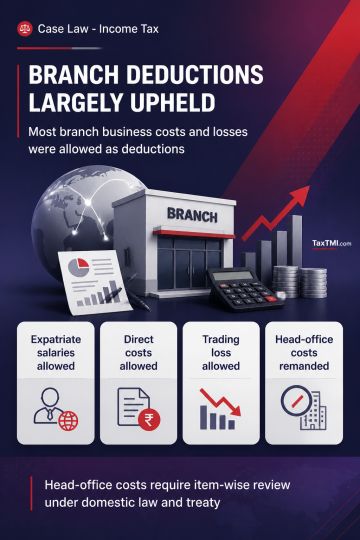
Permanent establishment deductions upheld for expatriate salaries, direct costs and trading losses, while head-office costs require fresh classificati...
Page of 4828
Press 'Enter' after typing page number.
1521 to 1540 of 96556 Results
❮
❯
❯❯
0 / 200
Expand Note
Add to Folder
No Folders have been created
+
Are you sure you want to delete "My most important" ?
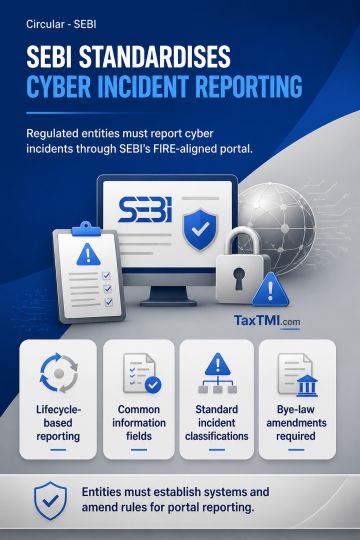
Cyber incident reporting by regulated entities must be made through SEBI's Cyber Incident Reporting Portal, aligned with the Financial Stability Board's Format for Incident Reporting Exchange (FIRE). The aligned portal requires structured reporting using common information fields, standard definitions and consistent incident classifications, supporting harmonised reporting. It permits reporting across the incident lifecycle, including initial notification, intermediate updates and final closure, recognising that complete information may not be available initially. Regulated entities must establish systems to implement the portal-based reporting requirement and make any necessary amendments to their bye-laws, rules or regulations. The requirement operates alongside applicable cybersecurity and cyber-resilience reporting obligations.
Cyber incident reporting by regulated entities must be made through SEBI's Cyber Incident Reporting Portal, aligned with the Financial Stability Board's Format for Incident Reporting Exchange (FIRE). The aligned portal requires structured reporting using common information fields, standard definitions and consistent incident classifications, supporting harmonised reporting. It permits reporting across the incident lifecycle, including initial notification, intermediate updates and final closure, recognising that complete information may not be available initially. Regulated entities must establish systems to implement the portal-based reporting requirement and make any necessary amendments to their bye-laws, rules or regulations. The requirement operates alongside applicable cybersecurity and cyber-resilience reporting obligations.
Note: It is a system-generated summary and is for quick reference only.
 TaxTMI
  TaxTMI
 of 4828








 Join Channel