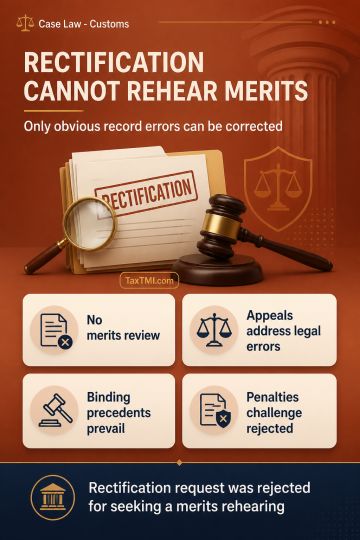
Rectification of mistake remains limited to self-evident record errors, preventing merits review through miscellaneous applications and preserving fin...
Tender creditworthiness conditions may extend to de facto Promoter Directors, with post-participation challenges generally barred absent arbitrariness...
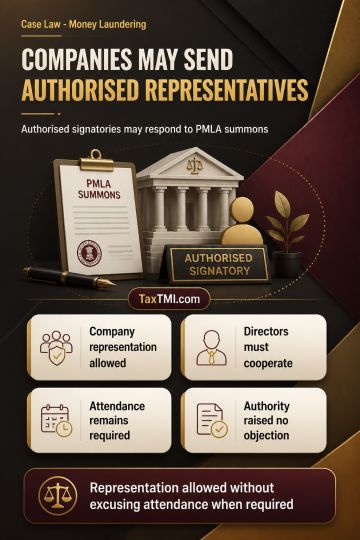
Corporate representation in PMLA summons proceedings permitted through an authorised signatory, subject to directors' continuing cooperation and atten...
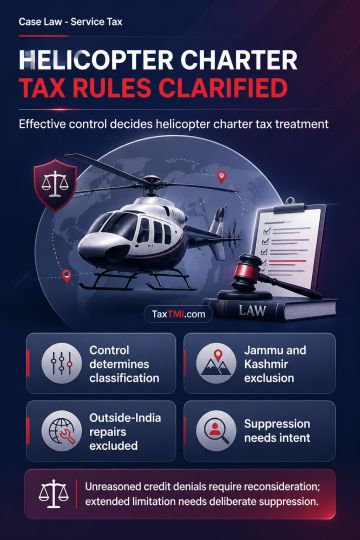
Helicopter charter classification requires effective control analysis, while territorial performance, reasoned credit orders and wilful suppression de...
Specified fund definition expands PAN exemption eligibility for registered alternative investment funds and qualifying International Financial Service...
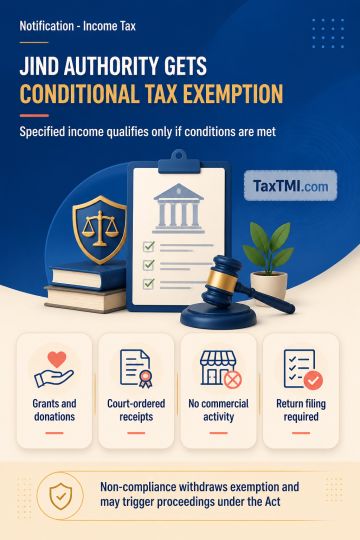
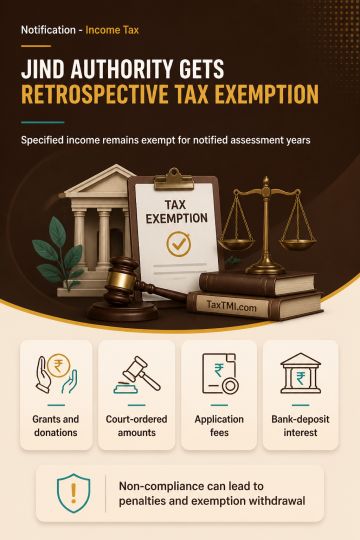
Tax exemption for specified legal-services authority income applies retrospectively, subject to non-commercial activity, unchanged income sources, and...
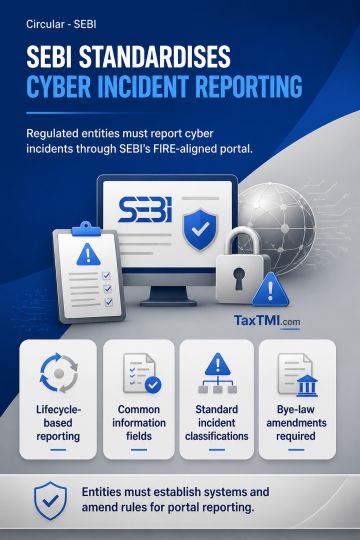
Cyber incident reporting by regulated entities must be made through SEBI's Cyber Incident Reporting Portal, aligned with the Financial Stability Board's Format for Incident Reporting Exchange (FIRE). The aligned portal requires structured reporting using common information fields, standard definitions and consistent incident classifications, supporting harmonised reporting. It permits reporting across the incident lifecycle, including initial notification, intermediate updates and final closure, recognising that complete information may not be available initially. Regulated entities must establish systems to implement the portal-based reporting requirement and make any necessary amendments to their bye-laws, rules or regulations. The requirement operates alongside applicable cybersecurity and cyber-resilience reporting obligations.
Cyber incident reporting by regulated entities must be made through SEBI's Cyber Incident Reporting Portal, aligned with the Financial Stability Board's Format for Incident Reporting Exchange (FIRE). The aligned portal requires structured reporting using common information fields, standard definitions and consistent incident classifications, supporting harmonised reporting. It permits reporting across the incident lifecycle, including initial notification, intermediate updates and final closure, recognising that complete information may not be available initially. Regulated entities must establish systems to implement the portal-based reporting requirement and make any necessary amendments to their bye-laws, rules or regulations. The requirement operates alongside applicable cybersecurity and cyber-resilience reporting obligations.
Note: It is a system-generated summary and is for quick reference only.
 TaxTMI
  TaxTMI
 of 4826









 Join Channel