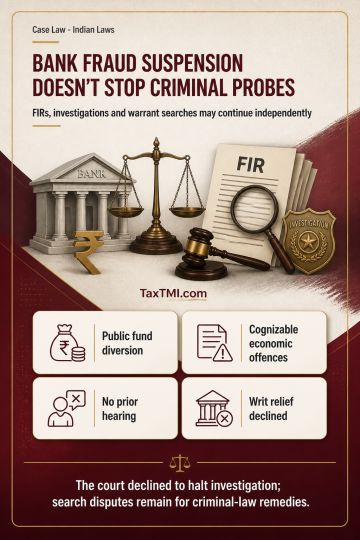
Administrative fraud classification suspension does not halt independent criminal investigation or warrant-based searches into alleged economic offenc...
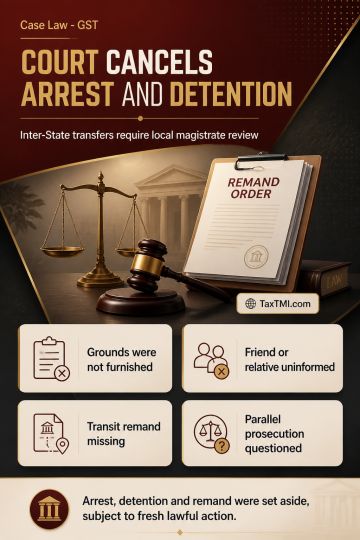
Arrest safeguards and transit remand requirements invalidated detention following inter-State transfer without communicated grounds or magistrate auth...
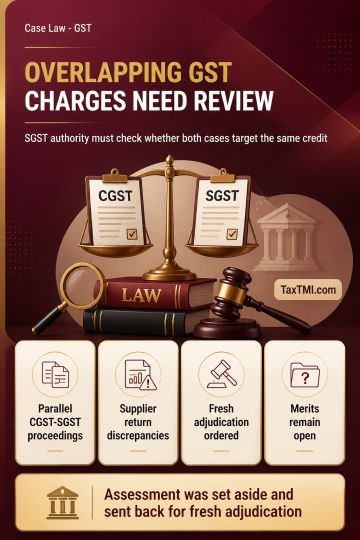
Arrest safeguards require disclosed grounds, relative intimation and transit remand, while duplicate prosecution under the CGST framework is unsustain...
Document Identification Number defects can invalidate GST assessments, with delayed challenges entertained conditionally where patent irregularities e...
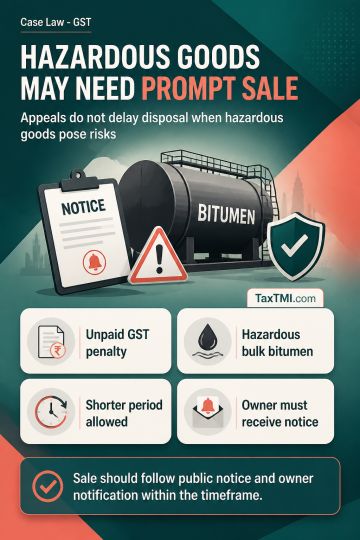
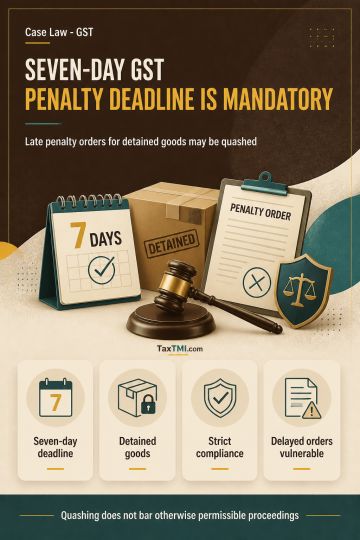
Section 129(6) of the GST Acts requires detained goods to be sold or otherwise disposed of to recover an unpaid penalty after the prescribed period. Its proviso permits a shorter period where goods are perishable, hazardous or likely to depreciate. Inflammable bulk bitumen qualifies as hazardous goods, so the continuing availability of an appeal does not displace the obligation to initiate disposal where risk to the goods and conveyance warrants prompt action. Sale should proceed through public notice, with notice to the owner, within the stipulated timeframe.
Section 129(6) of the GST Acts requires detained goods to be sold or otherwise disposed of to recover an unpaid penalty after the prescribed period. Its proviso permits a shorter period where goods are perishable, hazardous or likely to depreciate. Inflammable bulk bitumen qualifies as hazardous goods, so the continuing availability of an appeal does not displace the obligation to initiate disposal where risk to the goods and conveyance warrants prompt action. Sale should proceed through public notice, with notice to the owner, within the stipulated timeframe.
Note: It is a system-generated summary and is for quick reference only.
 TaxTMI
  TaxTMI
 of 4821








 Join Channel