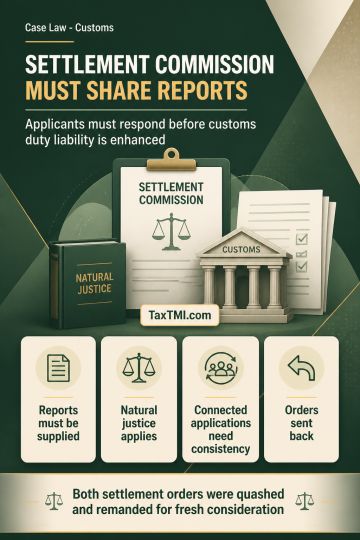
Opportunity to respond to jurisdictional reports is mandatory before customs settlement duty enhancement; connected applications require consistent ad...
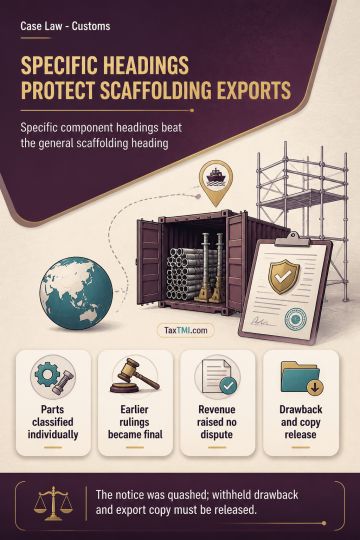
Specific customs headings for scaffolding components prevail over general classification, invalidating misclassification proceedings and enabling with...
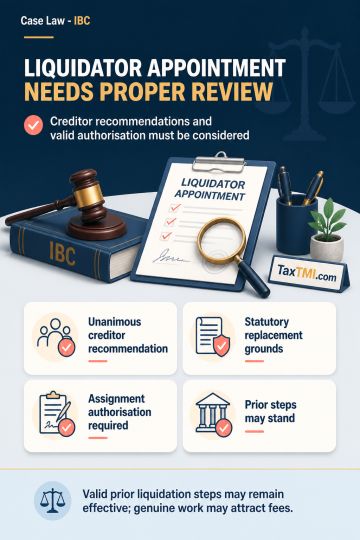
Liquidator appointment under Section 34 requires consideration of creditor recommendations, valid professional authorisation, and preservation of vali...
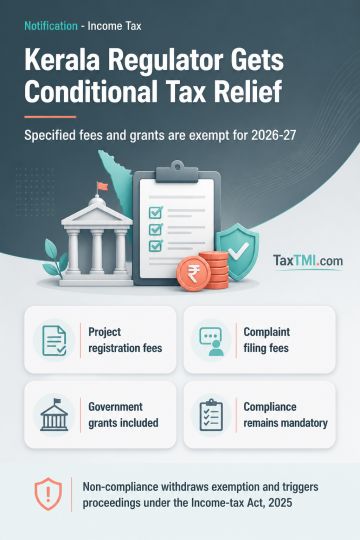
Income-tax exemption for specified regulatory fees and government grants applies subject to non-commercial activity and continuing compliance conditio...
Digital accessibility audit and remediation deadlines extended, while all other disability-compliance obligations for regulated entities remain unchan...
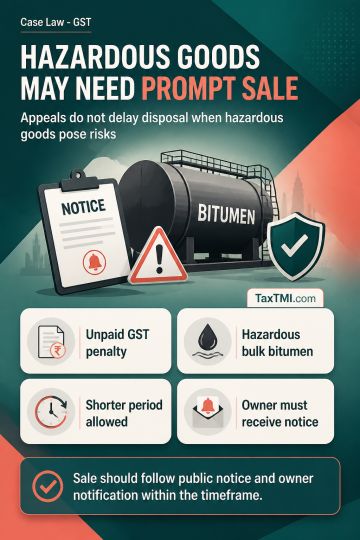
Section 129(6) of the GST Acts requires detained goods to be sold or otherwise disposed of to recover an unpaid penalty after the prescribed period. Its proviso permits a shorter period where goods are perishable, hazardous or likely to depreciate. Inflammable bulk bitumen qualifies as hazardous goods, so the continuing availability of an appeal does not displace the obligation to initiate disposal where risk to the goods and conveyance warrants prompt action. Sale should proceed through public notice, with notice to the owner, within the stipulated timeframe.
Section 129(6) of the GST Acts requires detained goods to be sold or otherwise disposed of to recover an unpaid penalty after the prescribed period. Its proviso permits a shorter period where goods are perishable, hazardous or likely to depreciate. Inflammable bulk bitumen qualifies as hazardous goods, so the continuing availability of an appeal does not displace the obligation to initiate disposal where risk to the goods and conveyance warrants prompt action. Sale should proceed through public notice, with notice to the owner, within the stipulated timeframe.
Note: It is a system-generated summary and is for quick reference only.
 TaxTMI
  TaxTMI
 of 4821












 Join Channel