Anonymous donation classification fails where charitable trusts maintain undisputed donor identity records and evidence corpus contributions' intended...
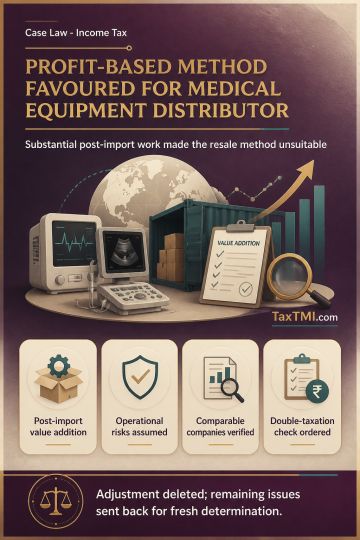
Transfer pricing method selection favours TNMM where medical-equipment distribution involves substantial post-import value addition and operational ri...
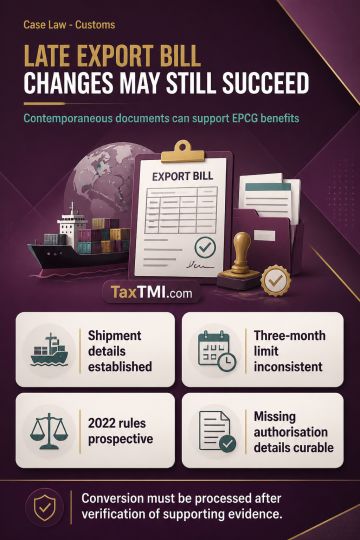
Post-export shipping bill conversion remains available where contemporaneous evidence supports EPCG benefits despite curable procedural omissions and ...
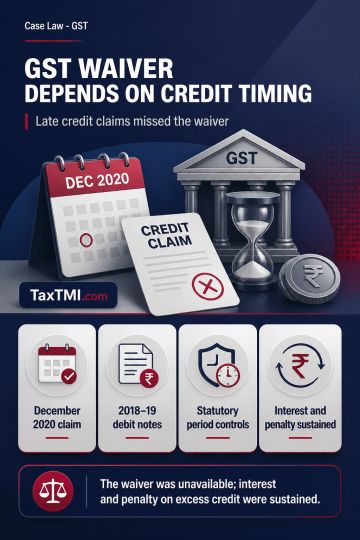
GST amnesty waiver eligibility for interest and penalty depends on the disputed input tax credit being availed within the prescribed statutory period, rather than on the financial year in which the underlying debit notes were issued. Excess credit first claimed in the December 2020 return fell outside the scheme's temporal scope despite its connection with debit notes from 2018-19. Guidance or decisions concerning input tax credit mismatch reconciliation cannot extend an expressly limited statutory period. The waiver was unavailable, and the interest and penalty on the excess credit claim were sustained.
GST amnesty waiver eligibility for interest and penalty depends on the disputed input tax credit being availed within the prescribed statutory period, rather than on the financial year in which the underlying debit notes were issued. Excess credit first claimed in the December 2020 return fell outside the scheme's temporal scope despite its connection with debit notes from 2018-19. Guidance or decisions concerning input tax credit mismatch reconciliation cannot extend an expressly limited statutory period. The waiver was unavailable, and the interest and penalty on the excess credit claim were sustained.
Note: It is a system-generated summary and is for quick reference only.
 TaxTMI
  TaxTMI
 of 4814



















 Join Channel