Anonymous donation classification fails where charitable trusts maintain undisputed donor identity records and evidence corpus contributions' intended...
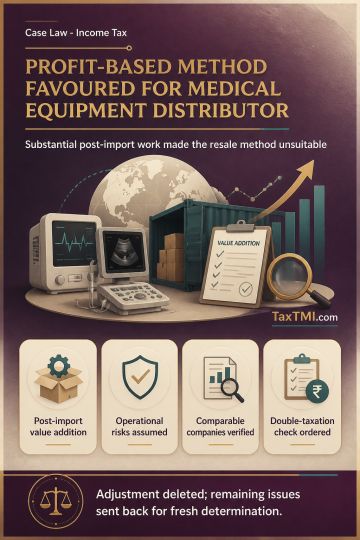
Transfer pricing method selection favours TNMM where medical-equipment distribution involves substantial post-import value addition and operational ri...
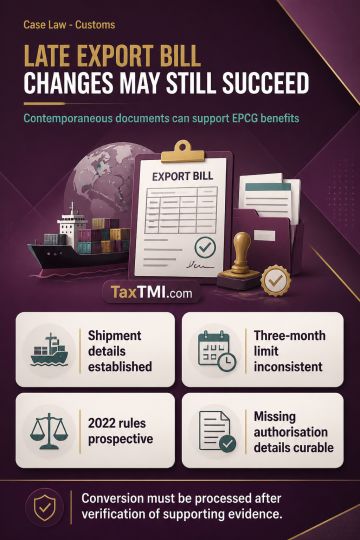
Post-export shipping bill conversion remains available where contemporaneous evidence supports EPCG benefits despite curable procedural omissions and ...
Exclusivity fee received in cash for an aborted joint venture involving transfer of subsidiary shares is a capital receipt where the agreement merely restricts negotiations with other prospective buyers and does not restrict business activities. The monetary receipt falls outside the then-applicable scope of business benefits, and the non-compete provision does not apply because no business activity was restrained. The fee is therefore not taxable under normal provisions or while computing book profit, and its credit to capital reserve stands. Expenditure disallowance relating to exempt income cannot apply where no exempt income was earned; the later explanatory amendment operates prospectively from AY 2022-23.
Exclusivity fee received in cash for an aborted joint venture involving transfer of subsidiary shares is a capital receipt where the agreement merely restricts negotiations with other prospective buyers and does not restrict business activities. The monetary receipt falls outside the then-applicable scope of business benefits, and the non-compete provision does not apply because no business activity was restrained. The fee is therefore not taxable under normal provisions or while computing book profit, and its credit to capital reserve stands. Expenditure disallowance relating to exempt income cannot apply where no exempt income was earned; the later explanatory amendment operates prospectively from AY 2022-23.
Note: It is a system-generated summary and is for quick reference only.
 TaxTMI
  TaxTMI
 of 4816


















 Join Channel