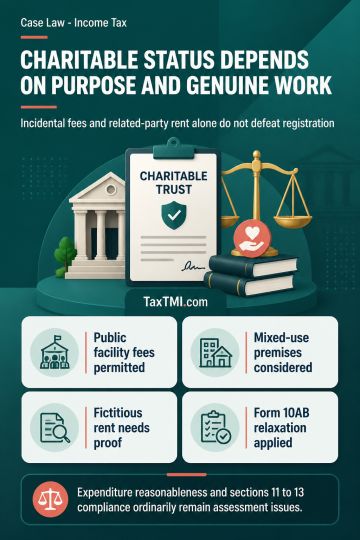
Charitable registration turns on predominant purpose and genuine activities, while incidental fees and related-party rent require supporting adverse m...
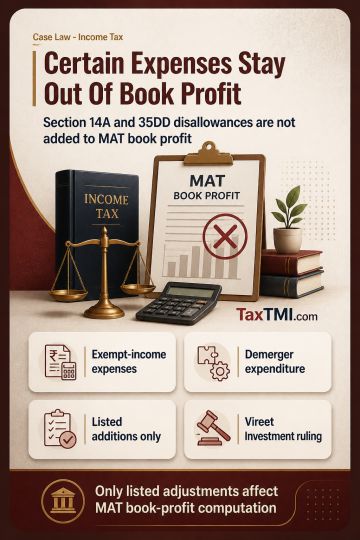
MAT book-profit adjustments exclude disallowances for exempt-income expenditure and demerger expenditure unless expressly listed under the statutory c...
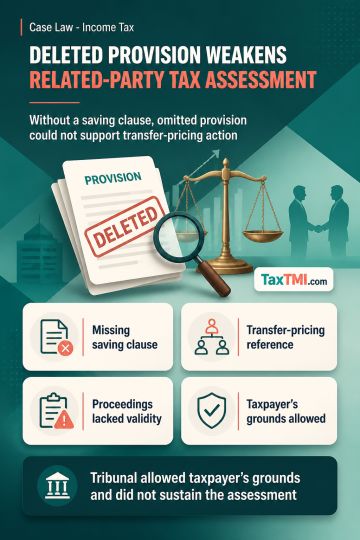
Omitted specified domestic transaction provision invalidates related-party expenditure transfer-pricing references and assessments based on consequent...
Recurring trademark fees paid under a non-exclusive, time-bound licence are revenue expenditure where proprietary rights remain with the licensor. The enduring benefit test requires examination of whether the agreement transfers ownership, exclusive rights, or a lasting capital asset. Limited permission to use a trademark, coupled with an obligation to stop using it on termination, does not create such an asset. Annual fees calculated as a percentage of gross profit are recurring operational payments and remain deductible as revenue expenditure. The disallowance of the licensed trademark fee was therefore deleted.
Recurring trademark fees paid under a non-exclusive, time-bound licence are revenue expenditure where proprietary rights remain with the licensor. The enduring benefit test requires examination of whether the agreement transfers ownership, exclusive rights, or a lasting capital asset. Limited permission to use a trademark, coupled with an obligation to stop using it on termination, does not create such an asset. Annual fees calculated as a percentage of gross profit are recurring operational payments and remain deductible as revenue expenditure. The disallowance of the licensed trademark fee was therefore deleted.
Note: It is a system-generated summary and is for quick reference only.
 TaxTMI
  TaxTMI
 of 4819







 Join Channel