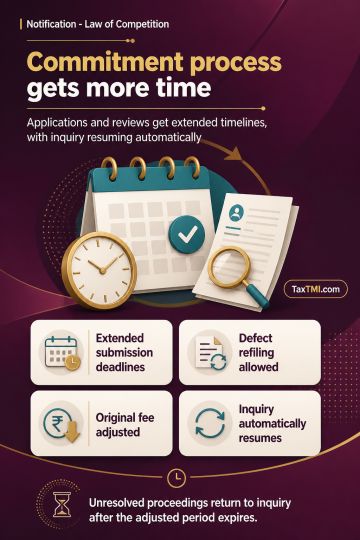
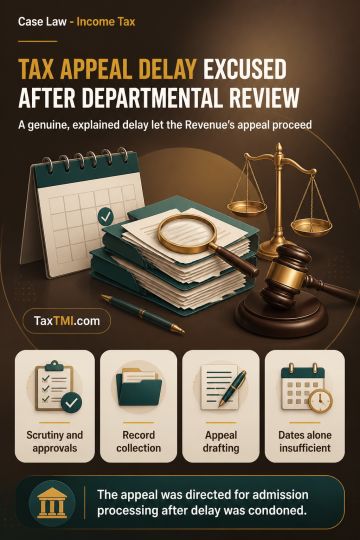
Commitment proceedings gain extended timelines, structured defect refiling, and automatic resumption of inquiry after the adjusted completion period e...
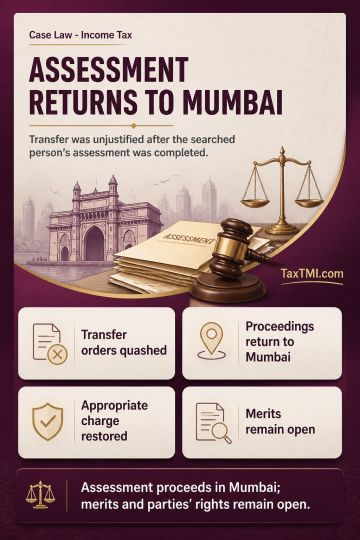
Centralised assessment transfer becomes unwarranted once the searched person's assessment is complete, requiring restoration to the appropriate charge...
Recurring trademark fees paid under a non-exclusive, time-bound licence are revenue expenditure where proprietary rights remain with the licensor. The enduring benefit test requires examination of whether the agreement transfers ownership, exclusive rights, or a lasting capital asset. Limited permission to use a trademark, coupled with an obligation to stop using it on termination, does not create such an asset. Annual fees calculated as a percentage of gross profit are recurring operational payments and remain deductible as revenue expenditure. The disallowance of the licensed trademark fee was therefore deleted.
Recurring trademark fees paid under a non-exclusive, time-bound licence are revenue expenditure where proprietary rights remain with the licensor. The enduring benefit test requires examination of whether the agreement transfers ownership, exclusive rights, or a lasting capital asset. Limited permission to use a trademark, coupled with an obligation to stop using it on termination, does not create such an asset. Annual fees calculated as a percentage of gross profit are recurring operational payments and remain deductible as revenue expenditure. The disallowance of the licensed trademark fee was therefore deleted.
Note: It is a system-generated summary and is for quick reference only.
 TaxTMI
  TaxTMI
 of 4814













 Join Channel