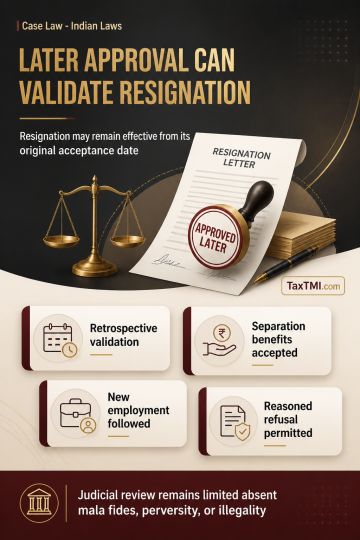
Ratification of resignation acceptance validates separation retrospectively, while withdrawal may be refused through reasoned administrative discretio...
Nature-dependent electricity contracts receive new Ind AS accounting, hedge designation, transition and financial-statement disclosure requirements fr...
Alternative GST remedy permitted protective writ intervention for ex parte adjudication, preserving independent appellate review of input tax credit d...
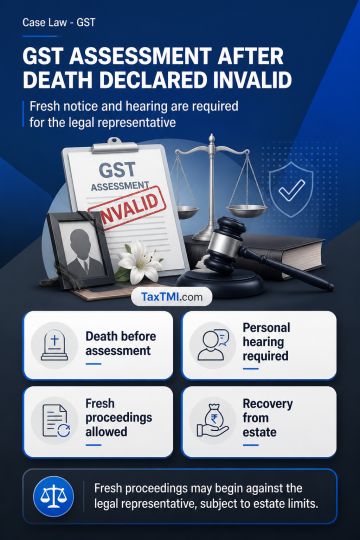
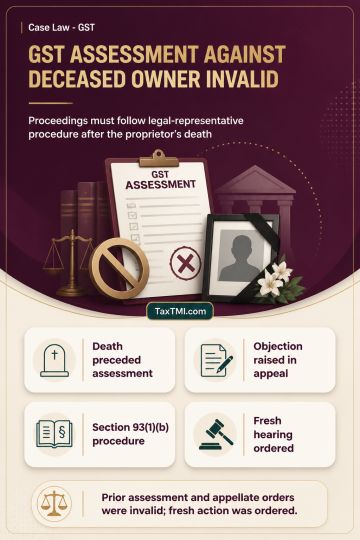
Assessment against deceased sole proprietor requires proceedings against the legal representative, rendering prior assessment and appellate orders inv...
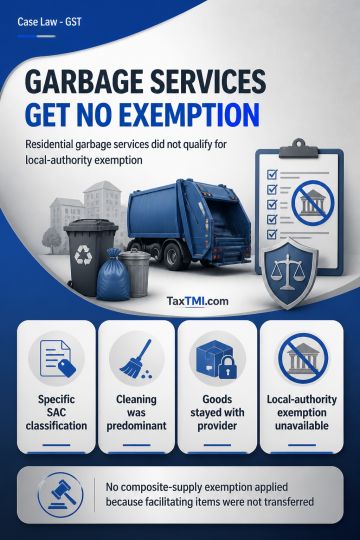
Residential waste collection classification under SAC 999423 defeats composite-supply exemption where facilitating goods are not transferred to the lo...
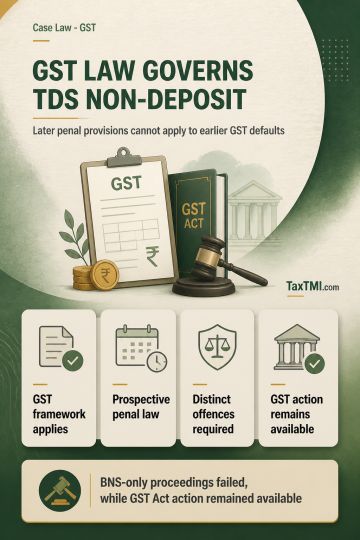
GST/TDS non-deposit arising from payments for Gram Sabha works falls primarily within the U.P. Goods and Services Tax Act, 2017, which provides a complete mechanism for determination of default, interest, penalty, prosecution and compounding. General penal provisions cannot be invoked unless allegations independently establish a distinct offence, such as dishonest misappropriation, forgery, cheating or wrongful gain. Substantive penal law applies prospectively: a penal provision introduced after the alleged 2017-18 default cannot create or alter the applicable offence. Proceedings based solely on Section 316(5) BNS were therefore unsustainable, while action under the GST Act remained available.
GST/TDS non-deposit arising from payments for Gram Sabha works falls primarily within the U.P. Goods and Services Tax Act, 2017, which provides a complete mechanism for determination of default, interest, penalty, prosecution and compounding. General penal provisions cannot be invoked unless allegations independently establish a distinct offence, such as dishonest misappropriation, forgery, cheating or wrongful gain. Substantive penal law applies prospectively: a penal provision introduced after the alleged 2017-18 default cannot create or alter the applicable offence. Proceedings based solely on Section 316(5) BNS were therefore unsustainable, while action under the GST Act remained available.
Note: It is a system-generated summary and is for quick reference only.
 TaxTMI
  TaxTMI
 of 4813






 Join Channel