Transaction value cannot be rejected solely on non-statutory valuation guidelines without corroborative evidence supporting reassessment of final cust...
Cross-examination rights and corroborated evidence limit customs penalties for misdeclaration in genuine import transactions involving documented clea...
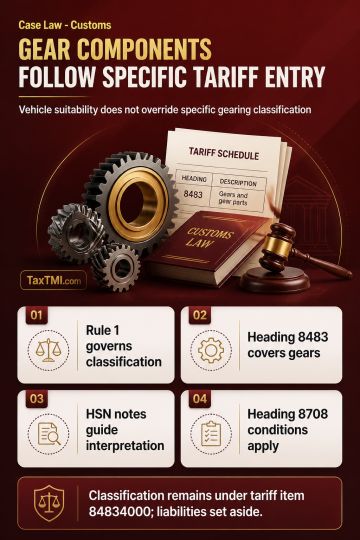
Tariff classification of vehicle gear components follows the specific gearing entry, displacing motor-vehicle parts classification and related liabili...
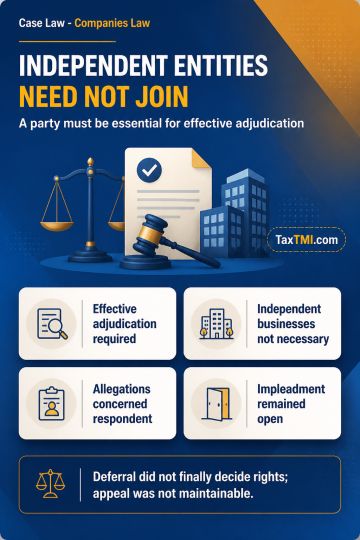
Necessary-party requirements limit impleadment of independent entities, while deferred consideration does not create an appealable adverse determinati...
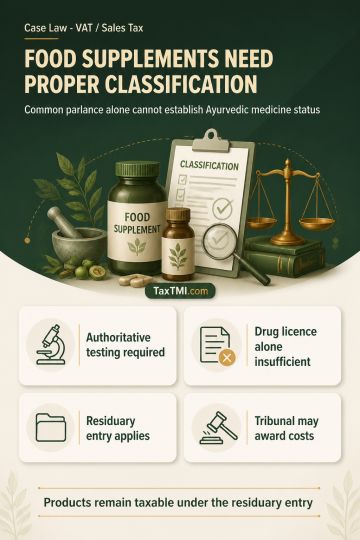
Food supplement classification requires common parlance and authoritative tests, preventing treatment as proprietary Ayurvedic medicines without suppo...
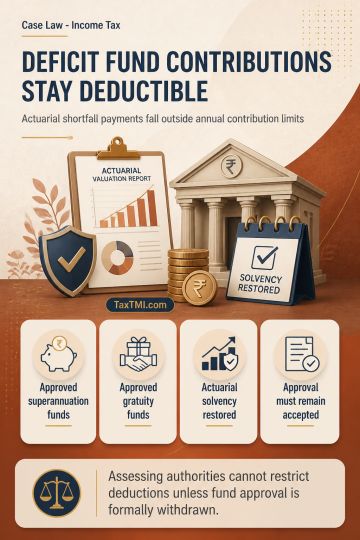
Actuarial deficit contributions made to an approved superannuation fund to align fund assets with actuarial liabilities are distinguished from ordinary annual or initial contributions. Because their purpose is to remedy an actuarial shortfall, they are not subject to the Rule 87 ceiling on annual contributions, preserving the fund's solvency. Similarly, contributions bridging actuarial liability and available assets in an approved gratuity fund are not ordinary annual contributions subject to the Rule 103 ceiling. Unless approval is formally withdrawn, the assessing authority must accept the fund's approved status and cannot, during assessment, question compliance with the Rules to restrict the deduction.
Actuarial deficit contributions made to an approved superannuation fund to align fund assets with actuarial liabilities are distinguished from ordinary annual or initial contributions. Because their purpose is to remedy an actuarial shortfall, they are not subject to the Rule 87 ceiling on annual contributions, preserving the fund's solvency. Similarly, contributions bridging actuarial liability and available assets in an approved gratuity fund are not ordinary annual contributions subject to the Rule 103 ceiling. Unless approval is formally withdrawn, the assessing authority must accept the fund's approved status and cannot, during assessment, question compliance with the Rules to restrict the deduction.
Note: It is a system-generated summary and is for quick reference only.
 TaxTMI
  TaxTMI
 of 4814












 Join Channel