Input tax credit conditions remain constitutionally valid, with eligible recipient claims considered under GST circulars and retrospective filing dead...
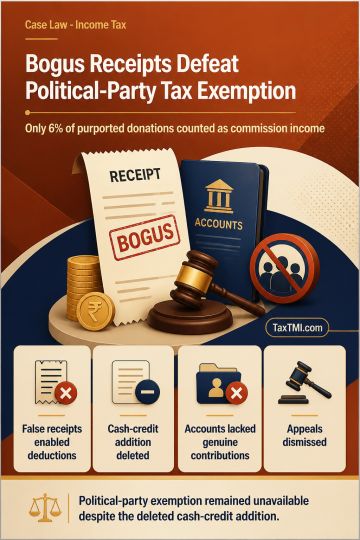
Bogus donation receipts justified commission income assessment and defeated political-party tax exemption for inaccurate accounts and reporting failur...
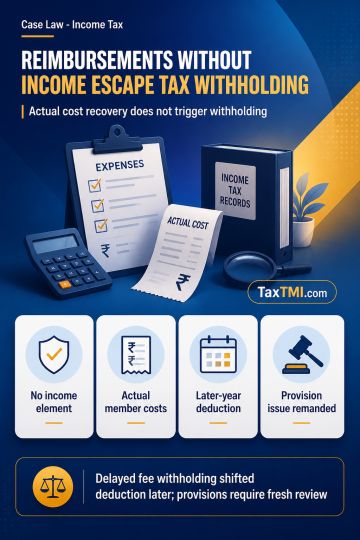
Pure reimbursement without income element escapes tax withholding, while delayed withholding and unsupported provisions face deferred or renewed scrut...
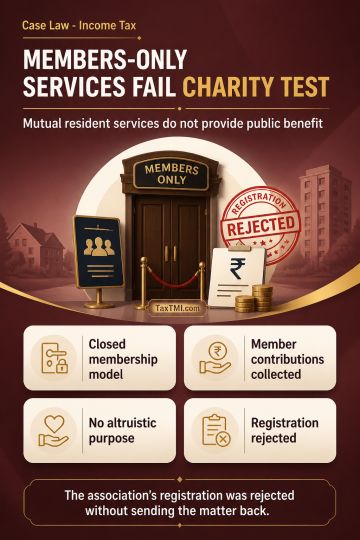
Public benefit requirement defeats charitable registration where residents' association services are reciprocal, member-only facilities governed by mu...
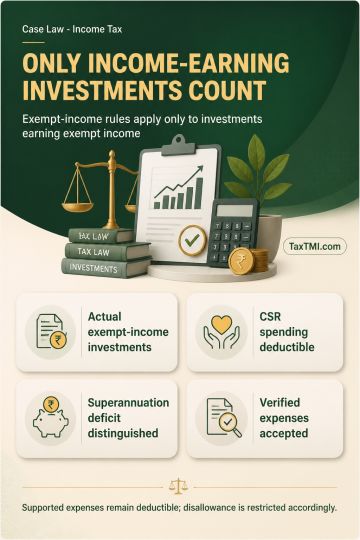
Exempt-income expenditure disallowance is confined to investments that actually generated exempt income, while supported business expenses remain dedu...
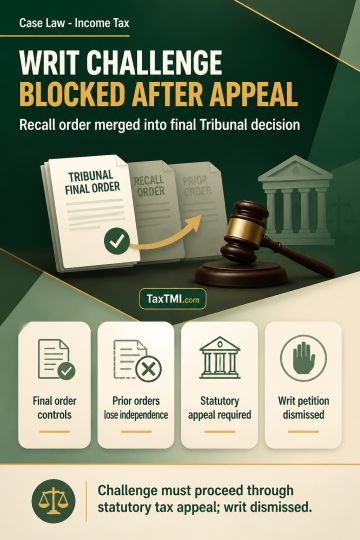
The doctrine of merger applies where the Appellate Tribunal has passed a final order in an appeal: prior interlocutory orders, including a recall order, merge into the final appellate order and cease to have independent existence. A writ petition challenging the recall order therefore cannot survive once the final order is challenged through the available statutory tax appeal. The challenge to the final order must be pursued in that statutory appellate remedy, and the writ petition was dismissed.
The doctrine of merger applies where the Appellate Tribunal has passed a final order in an appeal: prior interlocutory orders, including a recall order, merge into the final appellate order and cease to have independent existence. A writ petition challenging the recall order therefore cannot survive once the final order is challenged through the available statutory tax appeal. The challenge to the final order must be pursued in that statutory appellate remedy, and the writ petition was dismissed.
Note: It is a system-generated summary and is for quick reference only.
 TaxTMI
  TaxTMI
 of 4813









 Join Channel