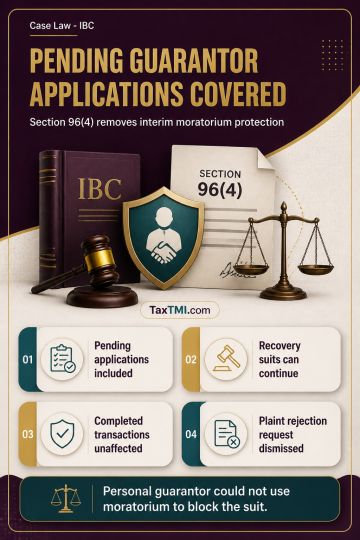
Mutual fund maturity rules require proper rollover, redemption, disclosure, and due diligence; investor gains cannot excuse regulatory breaches or pen...
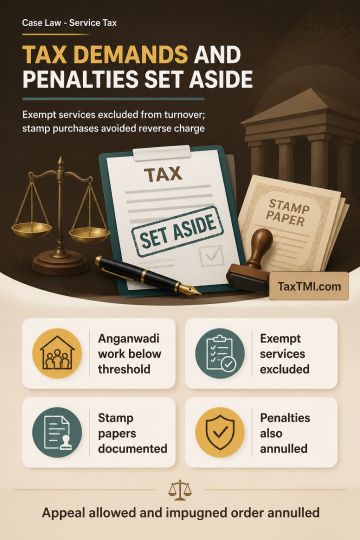
Threshold exemption excludes exempt services, while stamp-paper purchases avoid reverse charge; consequential service tax penalties were also set asid...
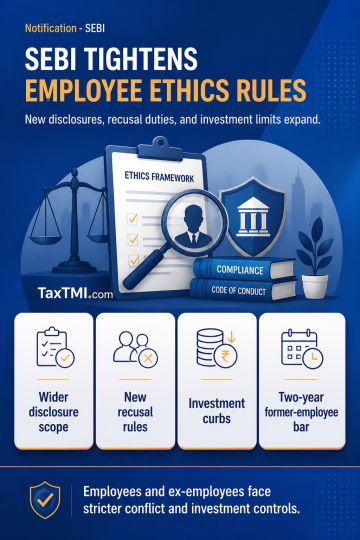
Employee conflict disclosures and investment restrictions expand with new recusal duties, post-employment limits, and compliance reporting requirement...
Section 96(4) of the Insolvency and Bankruptcy Code applies retroactively to pending insolvency applications involving personal guarantors to corporate debtors. The exclusion removes the pre-admission interim moratorium that could otherwise delay recovery proceedings; it affects pending transactions rather than completed transactions. The phrase "is filed" includes applications filed before the amendment's commencement but still pending thereafter. Consequently, the personal guarantor could not rely on an interim moratorium to bar the suit, and the request to reject the plaint on that basis was dismissed.
Section 96(4) of the Insolvency and Bankruptcy Code applies retroactively to pending insolvency applications involving personal guarantors to corporate debtors. The exclusion removes the pre-admission interim moratorium that could otherwise delay recovery proceedings; it affects pending transactions rather than completed transactions. The phrase "is filed" includes applications filed before the amendment's commencement but still pending thereafter. Consequently, the personal guarantor could not rely on an interim moratorium to bar the suit, and the request to reject the plaint on that basis was dismissed.
Note: It is a system-generated summary and is for quick reference only.
 TaxTMI
  TaxTMI
 of 4814












 Join Channel