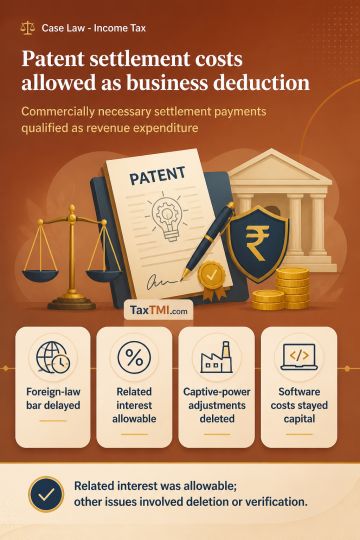
Patent-settlement expenditure treated as commercially expedient revenue outlay, with foreign-law restrictions inapplicable before the prospective amen...
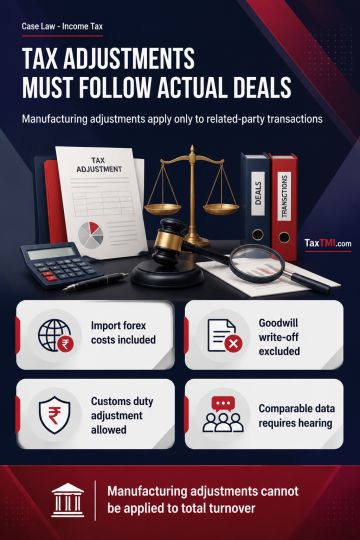
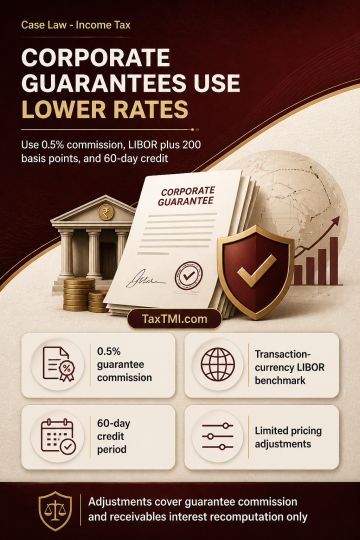
International transaction benchmarking restricts transfer pricing adjustments to associated-enterprise dealings, while functional comparability govern...
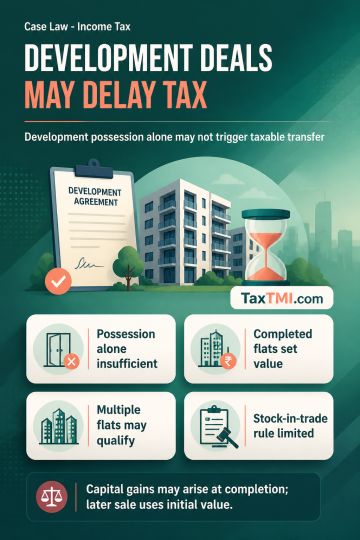
Joint development agreements defer taxable transfer where possession lacks part performance, while completed flats determine consideration and exempti...
Passenger baggage re-export requires true declaration and cannot be granted indirectly through discretionary redemption of undeclared prohibited goods...
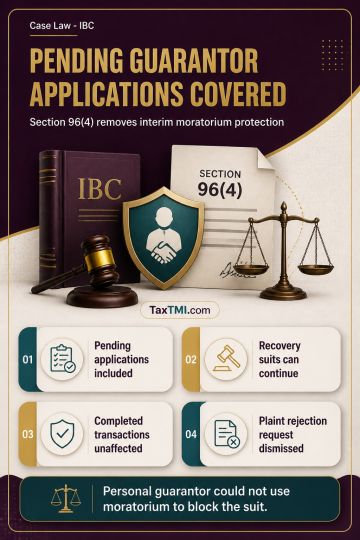
Section 96(4) of the Insolvency and Bankruptcy Code applies retroactively to pending insolvency applications involving personal guarantors to corporate debtors. The exclusion removes the pre-admission interim moratorium that could otherwise delay recovery proceedings; it affects pending transactions rather than completed transactions. The phrase "is filed" includes applications filed before the amendment's commencement but still pending thereafter. Consequently, the personal guarantor could not rely on an interim moratorium to bar the suit, and the request to reject the plaint on that basis was dismissed.
Section 96(4) of the Insolvency and Bankruptcy Code applies retroactively to pending insolvency applications involving personal guarantors to corporate debtors. The exclusion removes the pre-admission interim moratorium that could otherwise delay recovery proceedings; it affects pending transactions rather than completed transactions. The phrase "is filed" includes applications filed before the amendment's commencement but still pending thereafter. Consequently, the personal guarantor could not rely on an interim moratorium to bar the suit, and the request to reject the plaint on that basis was dismissed.
Note: It is a system-generated summary and is for quick reference only.
 TaxTMI
 of 4805








 Join Channel


 TaxTMI
