Transaction value cannot be rejected solely on non-statutory valuation guidelines without corroborative evidence supporting reassessment of final cust...
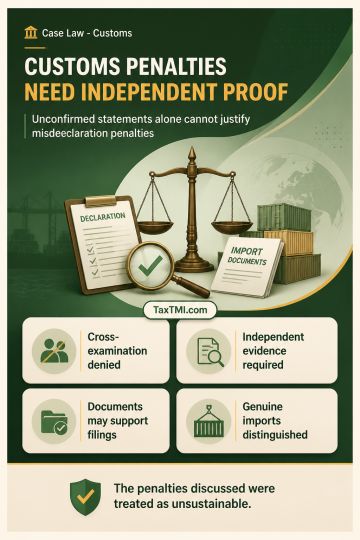
Cross-examination rights and corroborated evidence limit customs penalties for misdeclaration in genuine import transactions involving documented clea...
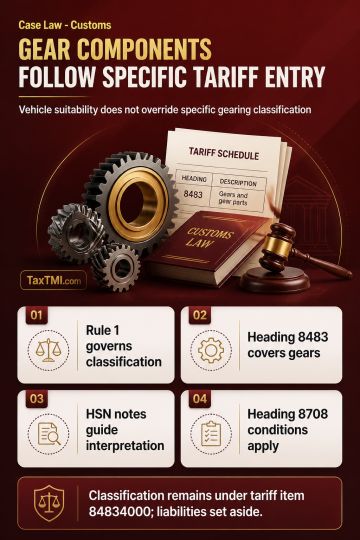
Tariff classification of vehicle gear components follows the specific gearing entry, displacing motor-vehicle parts classification and related liabili...
Necessary-party requirements limit impleadment of independent entities, while deferred consideration does not create an appealable adverse determinati...
Food supplement classification requires common parlance and authoritative tests, preventing treatment as proprietary Ayurvedic medicines without suppo...
Importers using transferable duty credit scrips through authorised customs clearance agents remain responsible for acts performed within the agent's authority when they retain the resulting duty benefit. Bona fide purchaser protection requires good faith and reasonable verification of a scrip's genuineness, validity and available credit; caveat emptor places that due-diligence burden on the importer. Incorrect Bill of Entry declarations and failure to investigate irregular clearance arrangements undermine that protection. Natural justice requires demonstrable prejudice: non-production of original scrips or denial of cross-examination does not invalidate proceedings where independent entitlement, transaction and investigation evidence establishes the facts. Fraud-related short-levy penalties may apply despite no personal execution of EDI manipulation, but separate overlapping penalties are mutually exclusive.
Importers using transferable duty credit scrips through authorised customs clearance agents remain responsible for acts performed within the agent's authority when they retain the resulting duty benefit. Bona fide purchaser protection requires good faith and reasonable verification of a scrip's genuineness, validity and available credit; caveat emptor places that due-diligence burden on the importer. Incorrect Bill of Entry declarations and failure to investigate irregular clearance arrangements undermine that protection. Natural justice requires demonstrable prejudice: non-production of original scrips or denial of cross-examination does not invalidate proceedings where independent entitlement, transaction and investigation evidence establishes the facts. Fraud-related short-levy penalties may apply despite no personal execution of EDI manipulation, but separate overlapping penalties are mutually exclusive.
Note: It is a system-generated summary and is for quick reference only.
 TaxTMI
 of 4805


















 Join Channel



 TaxTMI
