Mutual fund maturity rules require proper rollover, redemption, disclosure, and due diligence; investor gains cannot excuse regulatory breaches or pen...
Threshold exemption excludes exempt services, while stamp-paper purchases avoid reverse charge; consequential service tax penalties were also set asid...
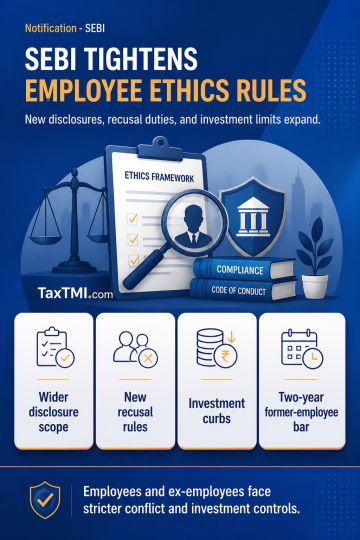
Employee conflict disclosures and investment restrictions expand with new recusal duties, post-employment limits, and compliance reporting requirement...
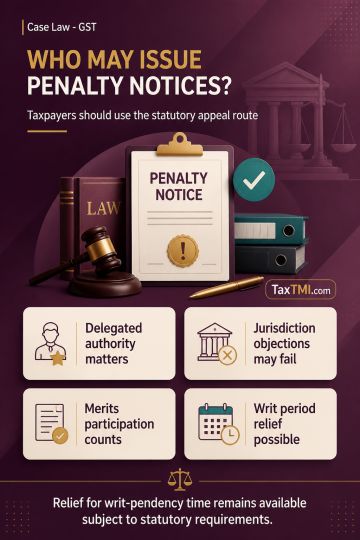
Under the UPGST Act, State circulars are described as placing penalty proceedings under Section 122 within the framework of Section 127 and authorising the Deputy Commissioner of State Tax where the prescribed turnover threshold is met. A jurisdictional objection to a penalty show-cause notice was therefore considered prima facie untenable. The doctrine of election also applies where a taxpayer participates in proceedings on merits without raising a jurisdictional objection and challenges the adverse penalty order through writ jurisdiction. The taxpayer should pursue the statutory appellate remedy, with Limitation Act relief for the writ-pendency period available subject to statutory requirements.
Under the UPGST Act, State circulars are described as placing penalty proceedings under Section 122 within the framework of Section 127 and authorising the Deputy Commissioner of State Tax where the prescribed turnover threshold is met. A jurisdictional objection to a penalty show-cause notice was therefore considered prima facie untenable. The doctrine of election also applies where a taxpayer participates in proceedings on merits without raising a jurisdictional objection and challenges the adverse penalty order through writ jurisdiction. The taxpayer should pursue the statutory appellate remedy, with Limitation Act relief for the writ-pendency period available subject to statutory requirements.
Note: It is a system-generated summary and is for quick reference only.
 TaxTMI
  TaxTMI
 of 4807











 Join Channel