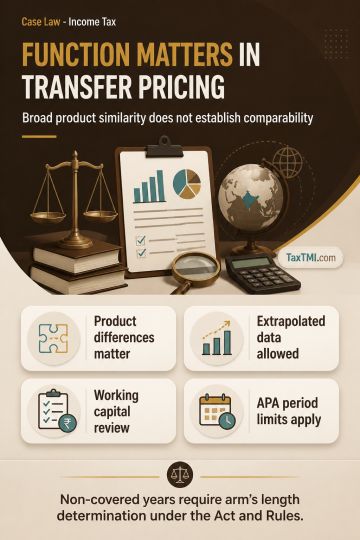
Transfer pricing comparability requires functional alignment and permits working capital adjustment, while APA margins cannot govern non-covered years...
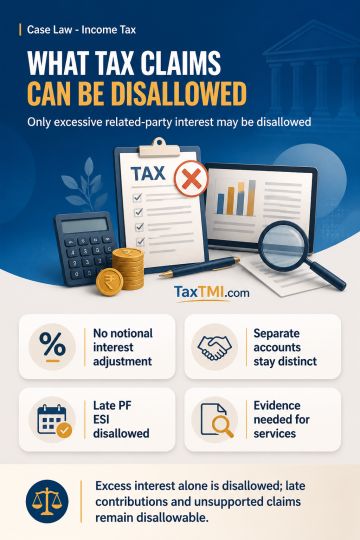
Treaty benefit, goodwill depreciation and hedging costs: export commission disallowed, while key business deductions and depreciation claims succeeded...
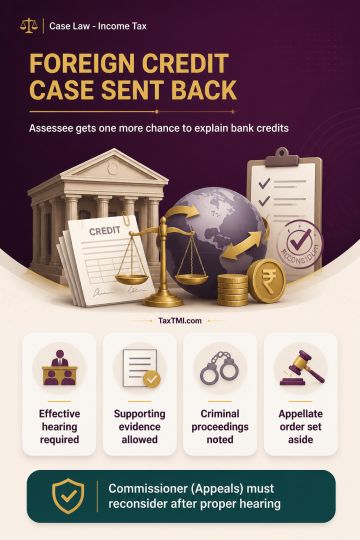
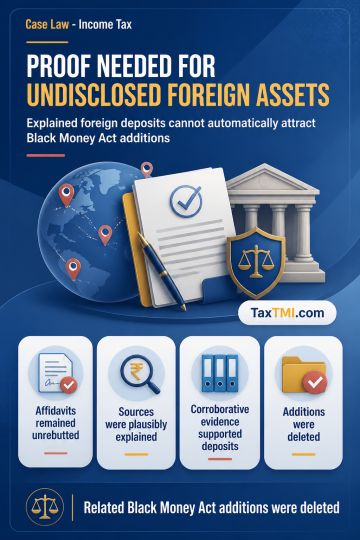
Undisclosed foreign asset classification requires an unexplained source; unrebutted affidavits and corroborative evidence defeated the Black Money Act...
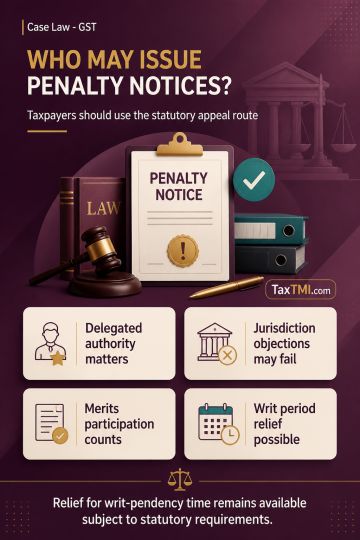
Under the UPGST Act, State circulars are described as placing penalty proceedings under Section 122 within the framework of Section 127 and authorising the Deputy Commissioner of State Tax where the prescribed turnover threshold is met. A jurisdictional objection to a penalty show-cause notice was therefore considered prima facie untenable. The doctrine of election also applies where a taxpayer participates in proceedings on merits without raising a jurisdictional objection and challenges the adverse penalty order through writ jurisdiction. The taxpayer should pursue the statutory appellate remedy, with Limitation Act relief for the writ-pendency period available subject to statutory requirements.
Under the UPGST Act, State circulars are described as placing penalty proceedings under Section 122 within the framework of Section 127 and authorising the Deputy Commissioner of State Tax where the prescribed turnover threshold is met. A jurisdictional objection to a penalty show-cause notice was therefore considered prima facie untenable. The doctrine of election also applies where a taxpayer participates in proceedings on merits without raising a jurisdictional objection and challenges the adverse penalty order through writ jurisdiction. The taxpayer should pursue the statutory appellate remedy, with Limitation Act relief for the writ-pendency period available subject to statutory requirements.
Note: It is a system-generated summary and is for quick reference only.
 TaxTMI
 of 4805









 Join Channel


 TaxTMI
