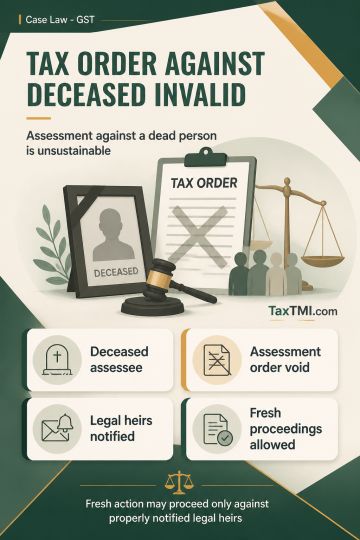
Mutual fund maturity rules require proper rollover, redemption, disclosure, and due diligence; investor gains cannot excuse regulatory breaches or pen...
Threshold exemption excludes exempt services, while stamp-paper purchases avoid reverse charge; consequential service tax penalties were also set asid...
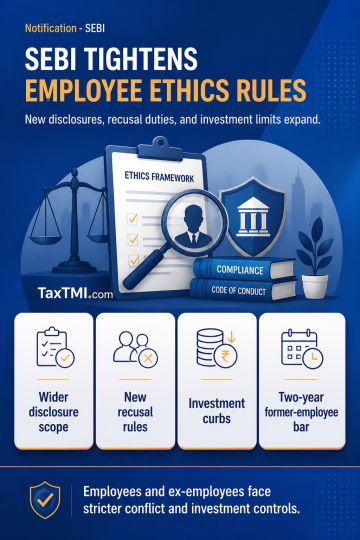
Employee conflict disclosures and investment restrictions expand with new recusal duties, post-employment limits, and compliance reporting requirement...
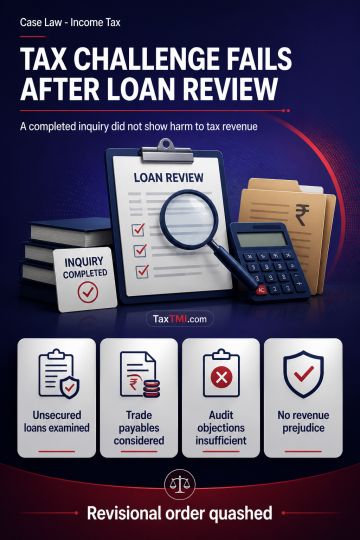
Section 263 revision requires the assessment order to be both erroneous and prejudicial to the interests of the Revenue. Where the Assessing Officer has called for and considered details on unsecured loans and trade payables, revision cannot rest merely on audit objections or an assumption that further inquiry would produce an addition under section 68. Explanation 2 creates a deeming framework for insufficient inquiry but does not remove the twin statutory requirements. In the stated circumstances, the assessment was made after inquiry, no revenue prejudice was identified, and the revisional order was quashed.
Section 263 revision requires the assessment order to be both erroneous and prejudicial to the interests of the Revenue. Where the Assessing Officer has called for and considered details on unsecured loans and trade payables, revision cannot rest merely on audit objections or an assumption that further inquiry would produce an addition under section 68. Explanation 2 creates a deeming framework for insufficient inquiry but does not remove the twin statutory requirements. In the stated circumstances, the assessment was made after inquiry, no revenue prejudice was identified, and the revisional order was quashed.
Note: It is a system-generated summary and is for quick reference only.
 TaxTMI
 of 4805












 Join Channel


 TaxTMI