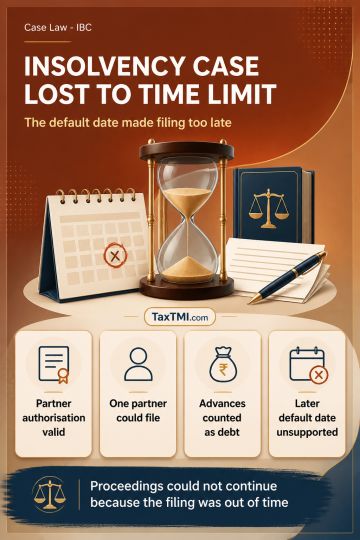
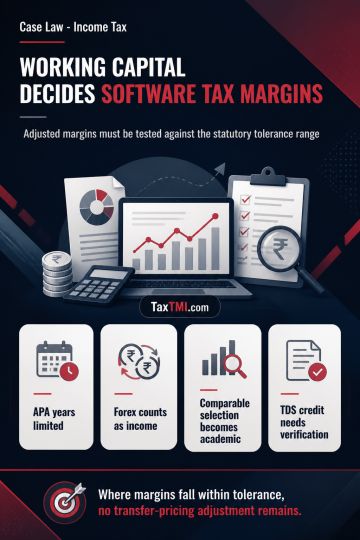
Working-capital adjustment determines whether software-services transfer-pricing margins fall within the statutory tolerance range, eliminating any ad...
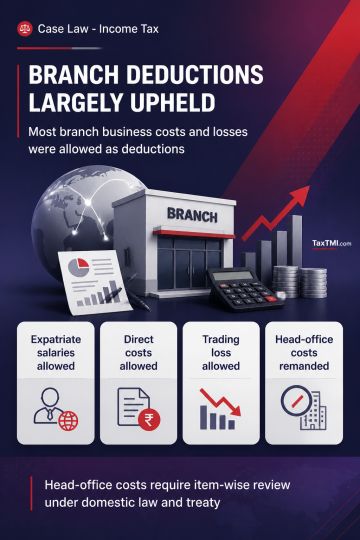
Permanent establishment deductions upheld for expatriate salaries, direct costs and trading losses, while head-office costs require fresh classificati...
Data transmission equipment classification under CTSH 8517 62 remains distinct from residual classification, with exemption evidence requiring scrutin...
Section 54F permits exemption based on investment in a residential house through purchase, construction, or a combination of both. The cost of the new asset can include bona fide expenditure incurred after purchase for reconstruction, alteration, renovation and improvements that make the house fit for residence. Habitability of the purchased house and reconstruction expenditure exceeding its purchase cost do not independently restrict the exemption, as no statutory ceiling applies to construction quality or amenities. Expenditure on independent comfort items remains excluded. Where reconstruction expenditure is genuine and not linked to excluded items, the aggregate purchase and reconstruction cost qualifies for the Section 54F exemption.
Section 54F permits exemption based on investment in a residential house through purchase, construction, or a combination of both. The cost of the new asset can include bona fide expenditure incurred after purchase for reconstruction, alteration, renovation and improvements that make the house fit for residence. Habitability of the purchased house and reconstruction expenditure exceeding its purchase cost do not independently restrict the exemption, as no statutory ceiling applies to construction quality or amenities. Expenditure on independent comfort items remains excluded. Where reconstruction expenditure is genuine and not linked to excluded items, the aggregate purchase and reconstruction cost qualifies for the Section 54F exemption.
Note: It is a system-generated summary and is for quick reference only.
 TaxTMI
 of 4805






 Join Channel



 TaxTMI