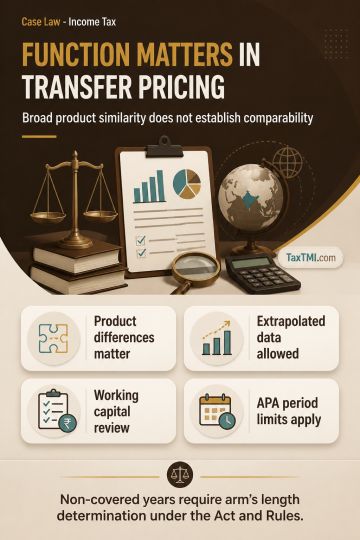
Transfer pricing comparability requires functional alignment and permits working capital adjustment, while APA margins cannot govern non-covered years...
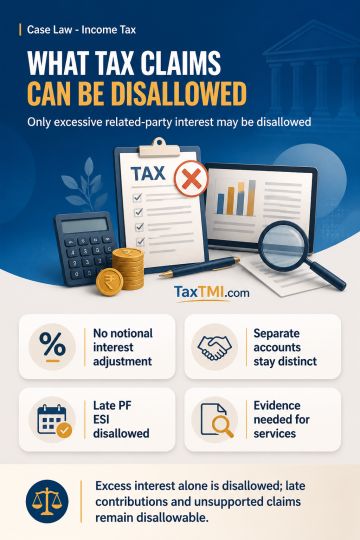
Treaty benefit, goodwill depreciation and hedging costs: export commission disallowed, while key business deductions and depreciation claims succeeded...
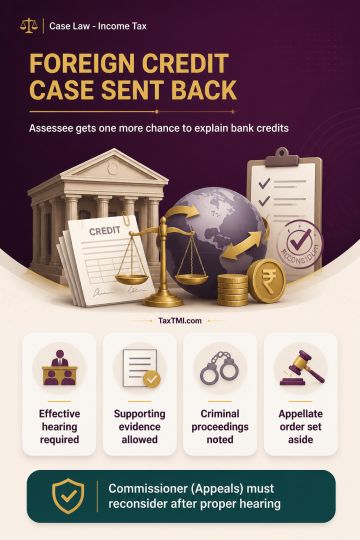
Undisclosed foreign asset classification requires an unexplained source; unrebutted affidavits and corroborative evidence defeated the Black Money Act...
Section 54F permits exemption based on investment in a residential house through purchase, construction, or a combination of both. The cost of the new asset can include bona fide expenditure incurred after purchase for reconstruction, alteration, renovation and improvements that make the house fit for residence. Habitability of the purchased house and reconstruction expenditure exceeding its purchase cost do not independently restrict the exemption, as no statutory ceiling applies to construction quality or amenities. Expenditure on independent comfort items remains excluded. Where reconstruction expenditure is genuine and not linked to excluded items, the aggregate purchase and reconstruction cost qualifies for the Section 54F exemption.
Section 54F permits exemption based on investment in a residential house through purchase, construction, or a combination of both. The cost of the new asset can include bona fide expenditure incurred after purchase for reconstruction, alteration, renovation and improvements that make the house fit for residence. Habitability of the purchased house and reconstruction expenditure exceeding its purchase cost do not independently restrict the exemption, as no statutory ceiling applies to construction quality or amenities. Expenditure on independent comfort items remains excluded. Where reconstruction expenditure is genuine and not linked to excluded items, the aggregate purchase and reconstruction cost qualifies for the Section 54F exemption.
Note: It is a system-generated summary and is for quick reference only.
 TaxTMI
 of 4805











 Join Channel



 TaxTMI
