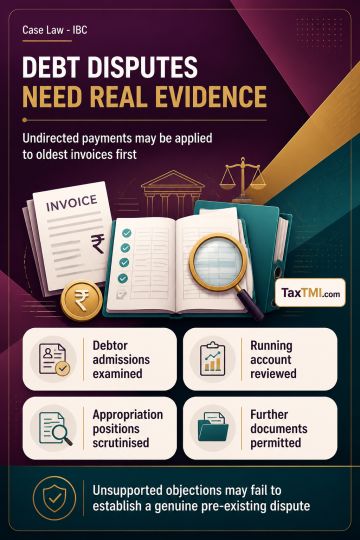
Pre-existing operational debt disputes require genuine evidence, while undirected running-account payments may be appropriated on a first-in-first-out...
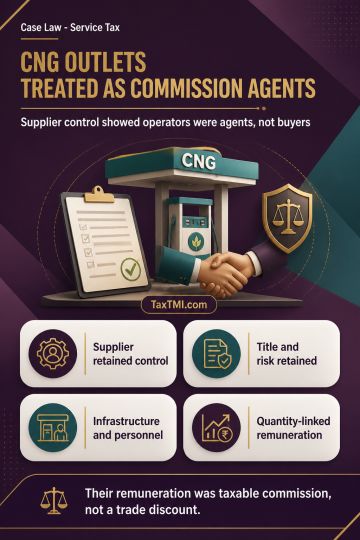
Agency in CNG distribution makes outlet operators commission agents, rendering taxable Business Auxiliary Service rather than purchasing goods for res...
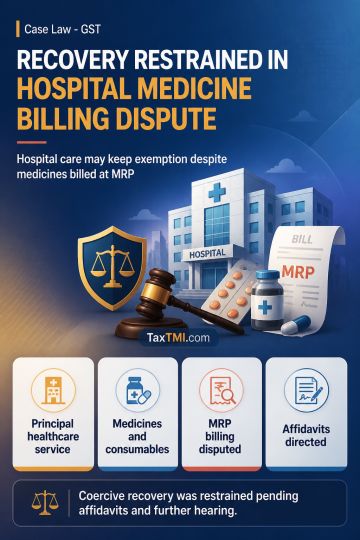
Composite inpatient healthcare supply may retain exemption despite MRP medicine billing, while separate taxable sale characterisation remains disputed...
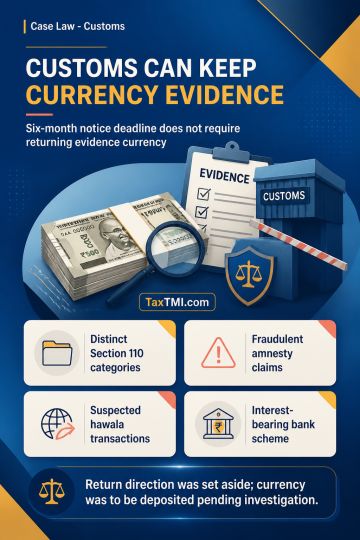
Section 110 distinguishes goods seized for confiscation from documents or things retained as useful or relevant to Customs Act proceedings. The six-month notice period applies to goods seized under Section 110(1), but not to currency treated as a "thing" under Section 110(3) when retained as evidence in an investigation into fraudulent amnesty claims, suspected hawala transactions, illegal gratification, or related offences. Currency is treated as goods where it is itself the subject of a customs violation, such as undeclared cross-border carriage. The return direction was set aside, and the currency was to be deposited in an interest-bearing nationalised-bank scheme pending investigation.
Section 110 distinguishes goods seized for confiscation from documents or things retained as useful or relevant to Customs Act proceedings. The six-month notice period applies to goods seized under Section 110(1), but not to currency treated as a "thing" under Section 110(3) when retained as evidence in an investigation into fraudulent amnesty claims, suspected hawala transactions, illegal gratification, or related offences. Currency is treated as goods where it is itself the subject of a customs violation, such as undeclared cross-border carriage. The return direction was set aside, and the currency was to be deposited in an interest-bearing nationalised-bank scheme pending investigation.
Note: It is a system-generated summary and is for quick reference only.
 TaxTMI
 of 4805







 Join Channel


 TaxTMI
